


Listen to the article
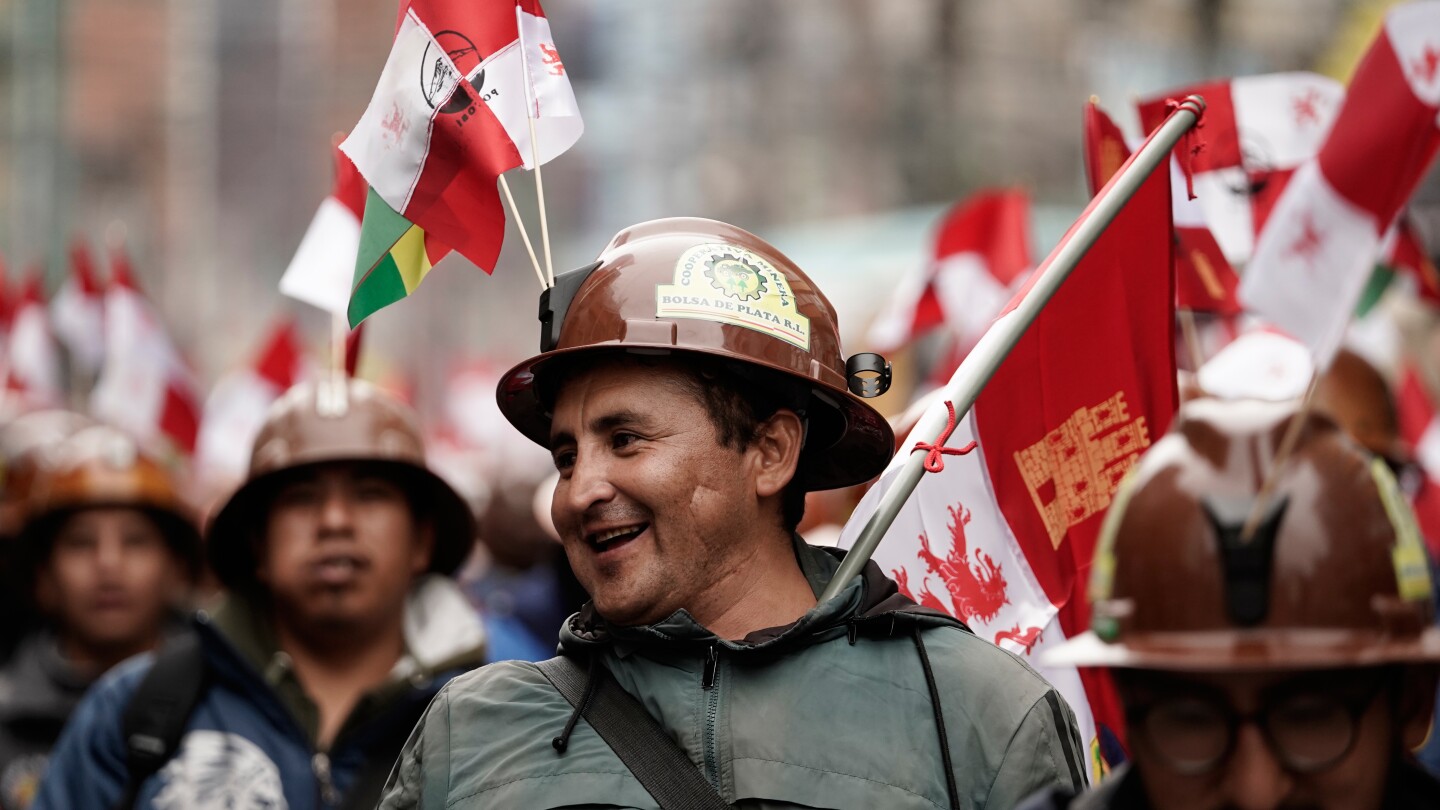
Bolivian miners and union-backed protesters took to the streets of La Paz on Monday, launching a strike against President Rodrigo Paz’s controversial decision to end long-standing fuel subsidies that have kept gasoline prices artificially low for nearly two decades.
The demonstrations, organized by Bolivia’s Central Union of Workers, saw miners march through downtown La Paz while authorities sealed off access to the central square housing government buildings. Similar protests erupted in other major cities, with union-led marches in Cochabamba and roadblocks appearing in six of the country’s nine regions.
The government’s emergency decree, implemented last week, effectively doubled the price of gasoline from $0.53 to approximately $1 per liter, ending a subsidy program that has been in place for more than 20 years under previous left-wing administrations.
“The country is sick and must be healed,” President Paz declared during a televised town hall meeting on Sunday. “Every day, $10 million is spent on a subsidy that benefits smugglers” who resell the subsidized fuel domestically and across borders.
The controversial policy shift comes as Bolivia grapples with its worst economic crisis in four decades. Government officials have pointed to the fuel subsidies as a primary culprit, claiming they cost up to $3 billion annually while depleting foreign currency reserves and exacerbating dollar shortages. The situation deteriorated further following the decline of Bolivia’s natural gas exports, once a pillar of the nation’s economy.
Despite the call for nationwide strikes, Monday’s protests revealed divisions within Bolivia’s traditionally unified labor movement. Many trade groups, including influential transportation workers, opted not to participate after securing concessions from the government, including duty-free imports of auto parts for bus operators and a mandated 20% increase in the minimum wage.
“We will continue to work, to serve the people,” said Lucio Gomez, a transport workers union leader who chose to negotiate rather than strike.
The business community has largely supported Paz’s economic reforms, which are expected to ease dollar shortages and facilitate imports of goods and capital. Luis Paco, a union leader representing merchants in El Alto, acknowledged the inevitability of the change, saying, “We knew that at some point the subsidies would end. There were no negotiations over the new adjustments, but we knew this was inevitable.”
However, unions traditionally aligned with the country’s left-wing political leadership—particularly those representing miners and coca growers associated with former President Evo Morales—have vowed to continue fighting the measure. These groups organized some of the largest demonstrations, including a massive march in Cochabamba and highway blockades in eastern Bolivia.
“We are in the streets in a struggle that will continue until that decree eliminating the subsidy is repealed,” mining leader Andrés Paye told reporters. “This government approves regulations to favor business owners and punish the poor.”
Political analysts suggest the protests may be as much about political positioning as economic policy. Carlos Cordero, a political science professor in La Paz, noted that the relatively modest turnout on Monday indicates weakening union influence.
“In many sectors of the country, there is a conviction that the adjustment was necessary,” Cordero observed, adding that the Central Union of Workers may be trying to “show its strength” ahead of gubernatorial and mayoral elections scheduled for next year.
The subsidy reduction represents one of the first major economic policy shifts since Paz, a centrist, took office on November 8. His administration faces the delicate task of addressing Bolivia’s economic woes while managing public discontent over increased living costs in a country where many citizens still live in poverty despite its significant natural resource wealth.
As the strike continues, the government’s ability to maintain support from key economic sectors while addressing the concerns of those most affected by the price increases will likely determine whether the reform succeeds or faces mounting resistance.
Fact Checker
Verify the accuracy of this article using The Disinformation Commission analysis and real-time sources.

8 Comments
This is a complex issue with valid concerns on both sides. While ending fuel subsidies could help Bolivia’s economy, the impact on workers and consumers needs to be carefully considered. A balanced approach that protects the most vulnerable while pursuing necessary reforms would be ideal.
I agree, this is a delicate balance. The government must weigh the fiscal realities against the real-world impacts on citizens. Transparent dialogue and a phased implementation could help mitigate the disruption.
The scrapping of fuel subsidies could have far-reaching implications for Bolivia’s mining and energy sectors. It will be critical for the government to closely monitor the impacts and be prepared to adjust the policy if it causes undue hardship for workers and consumers.
This is an important test for Bolivia’s new administration. Balancing the need for fiscal reform with the livelihood concerns of workers will require deft political maneuvering. I hope all sides can come together to find a mutually acceptable compromise.
Well said. Dialogue and compromise will be key to navigating this sensitive issue successfully. The government must demonstrate it is listening to the legitimate concerns of citizens.
Miners and unions play a vital role in Bolivia’s economy. Their concerns about the impact of subsidy cuts on gasoline and energy prices deserve serious consideration. I hope the government can find a way to reform the system without causing undue hardship for working families.
Absolutely, the voices of workers and their representatives should be heard. Finding an equitable solution that addresses the fiscal needs while protecting the vulnerable is critical.
Removing long-standing fuel subsidies is a bold but risky move. The government must tread carefully to avoid unrest and economic disruption. Transparent communication, gradual implementation, and targeted support for those most affected could help ease the transition.