


Listen to the article
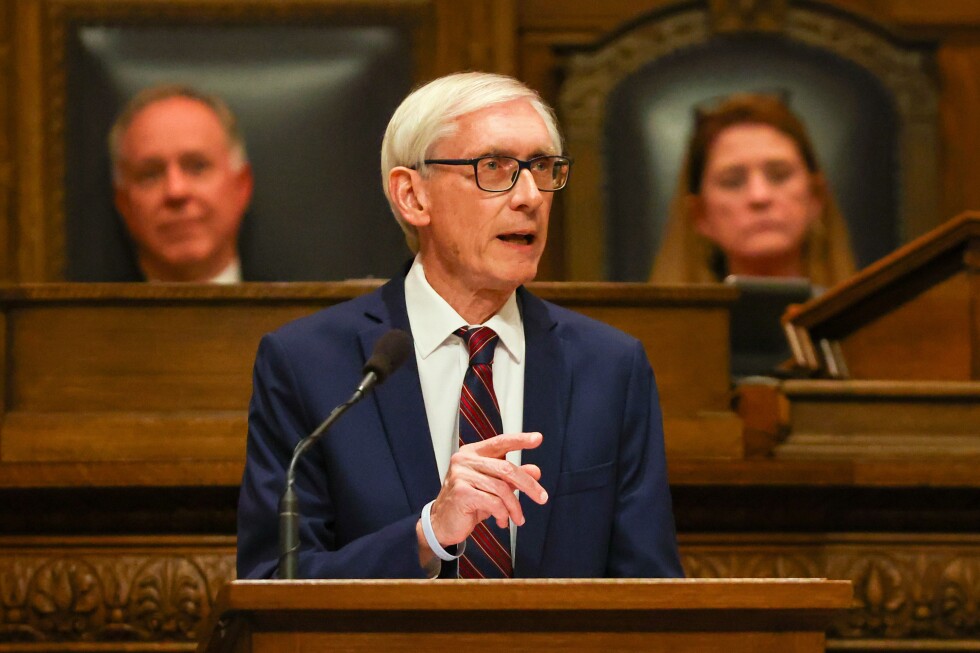
Wisconsin has joined the growing list of states legalizing online sports betting after Governor Tony Evers signed a bill into law Thursday, marking Wisconsin as the 33rd state to permit the practice.
The bipartisan legislation opens new opportunities for gambling in the state, but Wisconsin residents eager to place legal bets will need to exercise patience. Implementation could take months or longer as the state must now negotiate new agreements with the 11 federally recognized American Indian tribes who will operate the sports betting operations.
“The real work begins today,” Evers said in a statement following the signing. “Each of the 11 Tribes must now work diligently—and together—to shape the future of sports betting in Wisconsin.” The governor emphasized his commitment to fairness in the implementation process, adding, “An approach that exacerbates long-standing inequalities among Tribal Nations is not good for Wisconsinites or Wisconsin. I will not entertain it as governor.”
Under Wisconsin’s longstanding gambling framework, betting is legally permitted only on tribal lands through exclusive agreements between the tribes and the state. Currently, sports wagers can only be placed in person at certain tribal casinos, with online betting prohibited.
The new law introduces a significant structural change through what’s known as a “hub-and-spoke” model, already implemented successfully in Florida. This approach requires all online betting infrastructure, including computer servers, to be physically located on tribal lands within Wisconsin, while allowing users to place bets remotely from anywhere in the state.
The economic impact of tribal gambling in Wisconsin is substantial. In 2024 alone, tribes contributed over $66 million to state coffers from casino-generated revenue under existing compacts. The new legislation potentially represents a significant revenue expansion opportunity for both tribes and the state.
Governor Evers highlighted the potential social benefits of the new revenue stream, noting the law offers “a chance to support mental health programs and to combat the opioid crisis, two issues that I know plague both Tribal Nations and communities across our state.”
The legislation garnered support from several Wisconsin tribes and professional sports organizations, including the Milwaukee Brewers. Advocates argue the measure addresses a reality where Wisconsin residents are already gambling through offshore sportsbooks, prediction markets, or by crossing into neighboring states where sports betting is legal, particularly Illinois.
Not all stakeholders support the approach, however. The Sports Betting Alliance—representing major operators including FanDuel, DraftKings, bet365, BetMGM, and Fanatics—opposed the law. The group argues that the requirement for 60% of gambling revenues to go back to the tribes under federal law makes partnerships financially unfeasible for these companies. They’ve advocated instead for a state constitutional amendment that would open sports betting to all operators.
Governor Evers, who is not seeking reelection this year, had previously conditioned his support for the bill on unanimous tribal backing. Though initial concerns arose due to divided tribal opinions, Evers now reports all 11 tribes are actively engaged in negotiations regarding implementation.
The Wisconsin expansion comes amid explosive growth in the sports betting industry nationwide. According to the American Gaming Association, state-regulated sportsbooks handled nearly $167 billion in bets last year, generating close to $17 billion in revenue after paying out winnings—a substantial 23% increase over the previous year.
As negotiations proceed between the state and tribal nations, Wisconsin prepares to join a lucrative industry that continues to expand across America, balancing economic opportunities with responsible gambling practices and tribal sovereignty considerations.
Fact Checker
Verify the accuracy of this article using The Disinformation Commission analysis and real-time sources.

7 Comments
This is an interesting development for Wisconsin. Legalizing online sports betting, with tribes managing the operations, could open up new revenue streams and economic opportunities. However, it will be important to ensure a fair and equitable implementation process across all 11 tribes.
Sports betting has become increasingly popular across the US as more states legalize it. Wisconsin’s approach of working with the tribes to manage the operations could help preserve their rights and interests. It will be worth watching how the implementation unfolds in the coming months.
Agreed. The governor’s emphasis on fairness and avoiding exacerbating inequalities among the tribes is a positive sign. Balancing the interests of all stakeholders will be crucial.
Sports betting has become increasingly mainstream in the US, and Wisconsin’s decision to legalize it while involving the tribes is a unique approach. It will be interesting to see how the tribes leverage this opportunity and how the revenue is distributed among them.
This move by Wisconsin aligns with the broader trend of states legalizing sports betting to generate new tax revenue and provide regulated betting options for consumers. The tribal involvement is an interesting angle, though it does raise questions about how the revenue will be shared and distributed.
Online sports betting can be a complex and sensitive issue, especially when it involves negotiating agreements with Native American tribes. Wisconsin’s approach of working closely with the 11 tribes to shape the future of sports betting in the state is a prudent one.
The legalization of online sports betting in Wisconsin is a significant development, as it opens up new opportunities for the state’s tribes to participate in this growing industry. However, the implementation process will require careful planning and collaboration to ensure a fair and equitable outcome for all involved.