


Listen to the article
A federal judge has cleared the way for ConocoPhillips Alaska to proceed with oil and gas exploration in Alaska’s National Petroleum Reserve, rejecting a request from environmental and Indigenous groups to halt the project while their legal challenge plays out.
U.S. District Court Judge Sharon Gleason ruled Tuesday that the conservation groups, including Sovereign Iñupiat for a Living Arctic, the Center for Biological Diversity, and The Wilderness Society, failed to demonstrate a “fair chance of success” on the merits of their claims against the U.S. Bureau of Land Management (BLM).
The decision comes amid a challenging week for ConocoPhillips Alaska, which saw a mobile drilling rig topple onto snow-covered tundra while being transported. Company attorneys assured the court this setback would not derail their overall plans, noting they would substitute another drilling rig to maintain the exploration timeline.
At stake is a significant exploration program within the National Petroleum Reserve-Alaska, a vast federal land holding on Alaska’s North Slope roughly the size of Indiana. The reserve has become a focal point in the ongoing national debate over resource development versus environmental protection in sensitive Arctic ecosystems.
The BLM approved ConocoPhillips Alaska’s exploration program in late November, which includes seismic surveys and plans to drill four exploration wells. The agency issued a revised approval in December following the Trump administration’s adoption of a plan to reopen most of the reserve to leasing.
Opposition groups argued in their lawsuit that the federal government rushed the approval process without adequate transparency or environmental review. They expressed particular concern about potential harm to caribou and bird habitat in proximity to ConocoPhillips’ existing developments, including the controversial Willow oil project approved by the Biden administration in 2023.
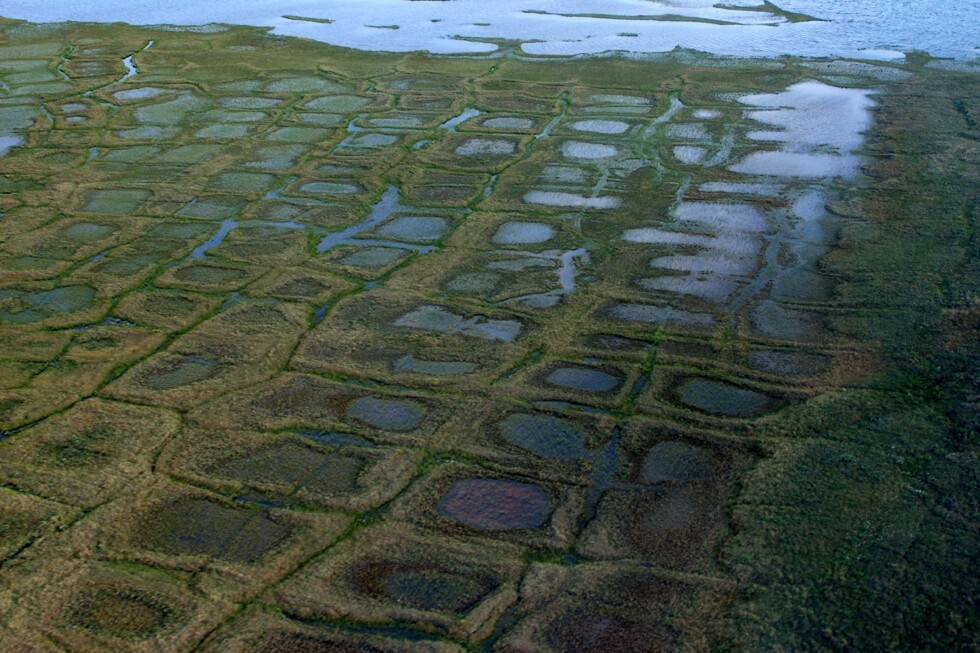
The National Petroleum Reserve provides diverse habitats, including tundra, wetlands, rivers, and lakes that support millions of migratory birds and wildlife such as caribou, polar bears, and arctic foxes.
In her ruling, Judge Gleason noted that the BLM is not required “to prevent all impacts to surface resources” in the reserve. She determined that the agency “conducted a reasonably thorough analysis of the impacts of the winter program on tundra in the project area on various types of vegetation” and had outlined appropriate mitigation measures.
The lawsuit named the Department of Interior and BLM officials as defendants, with ConocoPhillips Alaska joining as an intervenor supporting the government’s position.
Ian Dooley, an attorney with Earthjustice representing the plaintiffs, emphasized that the judge’s decision does not end their legal challenge to the exploration program. He criticized the BLM for not halting the project following last week’s drilling rig collapse to determine its cause.
“The agency’s lack of action is consistent with the rushed process here that has prioritized extraction over protecting the Reserve’s remarkable environment and the people who live in and use it,” Dooley said in a statement.
ConocoPhillips Alaska welcomed the court’s decision, stating it looked forward “to building on our track record of responsibly exploring and developing Alaska’s resources in ways that benefit all Alaskans.”
The ruling highlights the economic stakes involved. Brandi Sellepack, manager of exploration for ConocoPhillips Alaska, had previously testified that the company invested “tens of millions of dollars” in the program that could not be recovered if exploration were blocked for the winter season.
Sellepack emphasized that timely exploration is crucial not only for gathering data to guide future investments but also for preserving lease rights. Although leases in the reserve last for 10 years, the remote Arctic location and short winter construction seasons create significant logistical constraints for development.
The case represents the latest chapter in ongoing tensions between resource development and environmental protection in Alaska, where oil production remains a vital economic driver despite growing concerns about climate impacts and risks to fragile Arctic ecosystems.
Fact Checker
Verify the accuracy of this article using The Disinformation Commission analysis and real-time sources.

9 Comments
The toppling of the drilling rig is certainly a concerning setback. Curious to see how ConocoPhillips addresses equipment and operational safety as they proceed with this exploration program.
Yes, that incident highlights the need for robust safety protocols and contingency plans, especially in such a remote and environmentally sensitive region.
While the judge’s decision allows the drilling program to move forward, it’s clear there are still valid concerns from environmental and indigenous groups. I hope all parties can work constructively to balance development and conservation.
This seems like a delicate balance between resource extraction and environmental protection. I hope ConocoPhillips can demonstrate a strong commitment to minimizing impacts on the sensitive tundra ecosystem.
Agreed. Transparency and ongoing engagement with stakeholders will be crucial as this project moves forward.
This is an important issue that highlights the ongoing tensions between resource extraction and environmental protection. It will be interesting to see how this plays out and what lessons can be learned.
The National Petroleum Reserve-Alaska is a vast and ecologically significant region. I hope ConocoPhillips and regulators can demonstrate a strong commitment to minimizing impacts and engaging with local stakeholders.
An interesting decision that weighs environmental concerns against the need for energy development. Curious to see how ConocoPhillips manages the drilling operations and addresses any potential impacts on the local ecosystem.
Yes, it will be important for the company to work closely with regulators and indigenous groups to ensure the exploration is done responsibly.