


Listen to the article
Wikipedia Expands Business Deals with AI Giants on 25th Anniversary
Wikipedia unveiled new business partnerships with major artificial intelligence companies on Thursday as the online encyclopedia celebrated its 25th anniversary. The Wikimedia Foundation, the nonprofit behind the platform, announced deals with tech giants including Amazon, Meta Platforms, Microsoft, Perplexity, and France’s Mistral AI.
These agreements represent a strategic move for one of the internet’s most visited websites to monetize the heavy traffic from AI companies. According to the foundation, these tech firms will pay to access Wikipedia content “at a volume and speed designed specifically for their needs,” though financial details were not disclosed.
The new partnerships follow earlier agreements, including Wikipedia’s first major customer, Google, in 2022, and subsequent deals with smaller AI players like the search engine Ecosia last year.
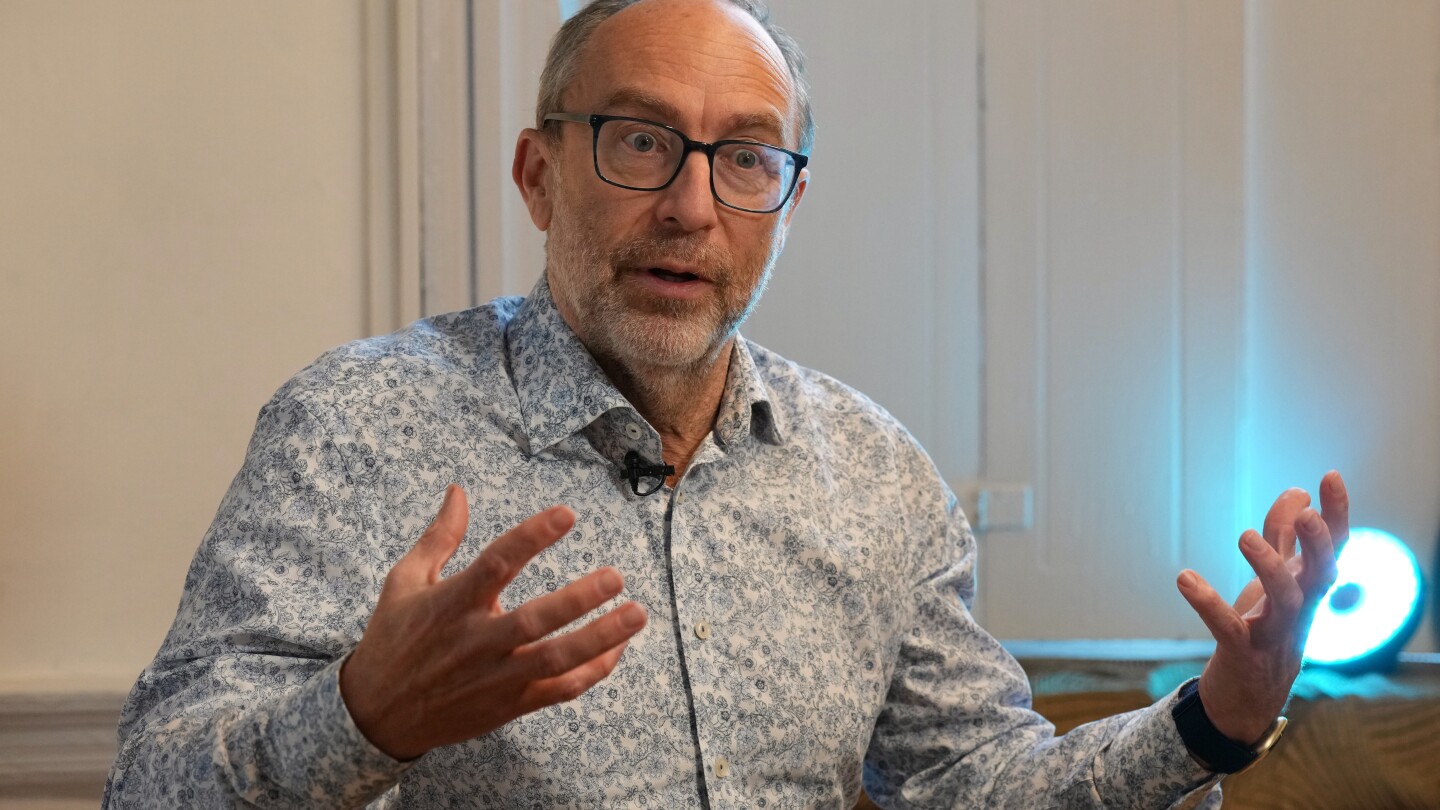
Wikipedia founder Jimmy Wales expressed enthusiasm for AI companies training on the platform’s content. “I’m very happy personally that AI models are training on Wikipedia data because it’s human curated,” Wales told The Associated Press. He contrasted this with training on potentially problematic sources, adding, “I wouldn’t really want to use an AI that’s trained only on X… like a very angry AI,” referring to Elon Musk’s social media platform.
The deals come at a critical juncture for Wikipedia. Last year, the foundation reported an 8% decline in human traffic while facing increasing strain from bots—sometimes disguised to evade detection—scraping massive amounts of content to feed AI language models. This shift highlights changing online behaviors as AI-powered search summaries and chatbots reduce the need for users to visit original sources.
Wikimedia Foundation CEO Maryana Iskander, who is stepping down on January 20, emphasized the financial reality behind maintaining the platform’s infrastructure. “Our infrastructure is not free,” Iskander said in an interview from Johannesburg, South Africa. While Wikipedia content remains free to access, the technical backbone that enables both individuals and companies to use Wikipedia data requires substantial resources.
The foundation currently receives most of its funding from approximately 8 million donors, primarily individuals. Wales pointed out that these donors aren’t contributing “to subsidize these huge AI companies.”
Beyond monetization, Wikipedia sees potential benefits from AI technology. The foundation has outlined an AI strategy that could produce tools to reduce tedious work for editors. While Wales believes AI isn’t yet sophisticated enough to write Wikipedia entries from scratch, it could help with tasks like updating dead links by analyzing surrounding text and finding alternative sources.
AI could also transform the Wikipedia user experience, potentially evolving from traditional keyword searches to more conversational interactions. “You can imagine a world where you can ask the Wikipedia search box a question and it will quote to you from Wikipedia,” Wales explained.
As Wikipedia marks a quarter-century, it faces challenges beyond technology. The platform has recently drawn criticism from conservative figures who have labeled it “Wokepedia” and accused it of left-leaning bias. Republican lawmakers in the U.S. Congress are investigating alleged “manipulation efforts” in Wikipedia’s editing process.
One notable critic is Elon Musk, who launched his own AI-powered alternative, Grokipedia, last year. Musk has described Wikipedia as filled with “propaganda” and discouraged donations to the site. Wales dismissed Grokipedia as not a “real threat,” arguing that large language models aren’t sophisticated enough to produce quality reference material.
Despite these controversies, Wales reflected positively on Wikipedia’s 25-year journey, describing the early days as “a time of great excitement and a real spirit of possibility,” while acknowledging the internet has always had its challenging aspects.
As Wikipedia navigates its next chapter, balancing commercial partnerships with its core mission of providing free knowledge, the platform’s evolution mirrors broader shifts in the digital landscape where traditional web resources increasingly intersect with artificial intelligence.
Fact Checker
Verify the accuracy of this article using The Disinformation Commission analysis and real-time sources.

8 Comments
While the financial incentives are understandable, I hope Wikipedia can maintain its commitment to neutrality and community-driven curation as it expands its business relationships. Striking that balance will be key.
It’s encouraging to see Wikipedia exploring new revenue streams, but I hope they can do so in a way that aligns with the platform’s founding principles of free access to information.
As an avid Wikipedia user, I’m interested to see how these AI deals will impact the user experience. Hopefully the platform can find ways to generate revenue without compromising its open and collaborative model.
I’m curious to see how these new AI partnerships will affect the quality and reliability of Wikipedia content. Ensuring factual accuracy will be critical as AI models increasingly rely on the platform’s data.
Congratulations to Wikipedia on its 25th anniversary. These AI partnerships demonstrate the platform’s continued importance and adaptability in the digital age.
This is a fascinating development for Wikipedia as it looks to capitalize on the growing AI industry. Partnering with tech giants like Microsoft and Meta shows the platform’s ambition to monetize its vast knowledge base.
Interesting that Wikipedia is embracing AI companies as a way to generate revenue. I wonder how this will impact the platform’s long-term mission of providing free, open access to information.
Kudos to Wikipedia for celebrating 25 years of providing accessible, crowd-sourced information to the world. These AI deals demonstrate the platform’s continued evolution and relevance in the digital age.