


Listen to the article
China’s One-Child Policy: A Demographic Experiment Now Under Scrutiny
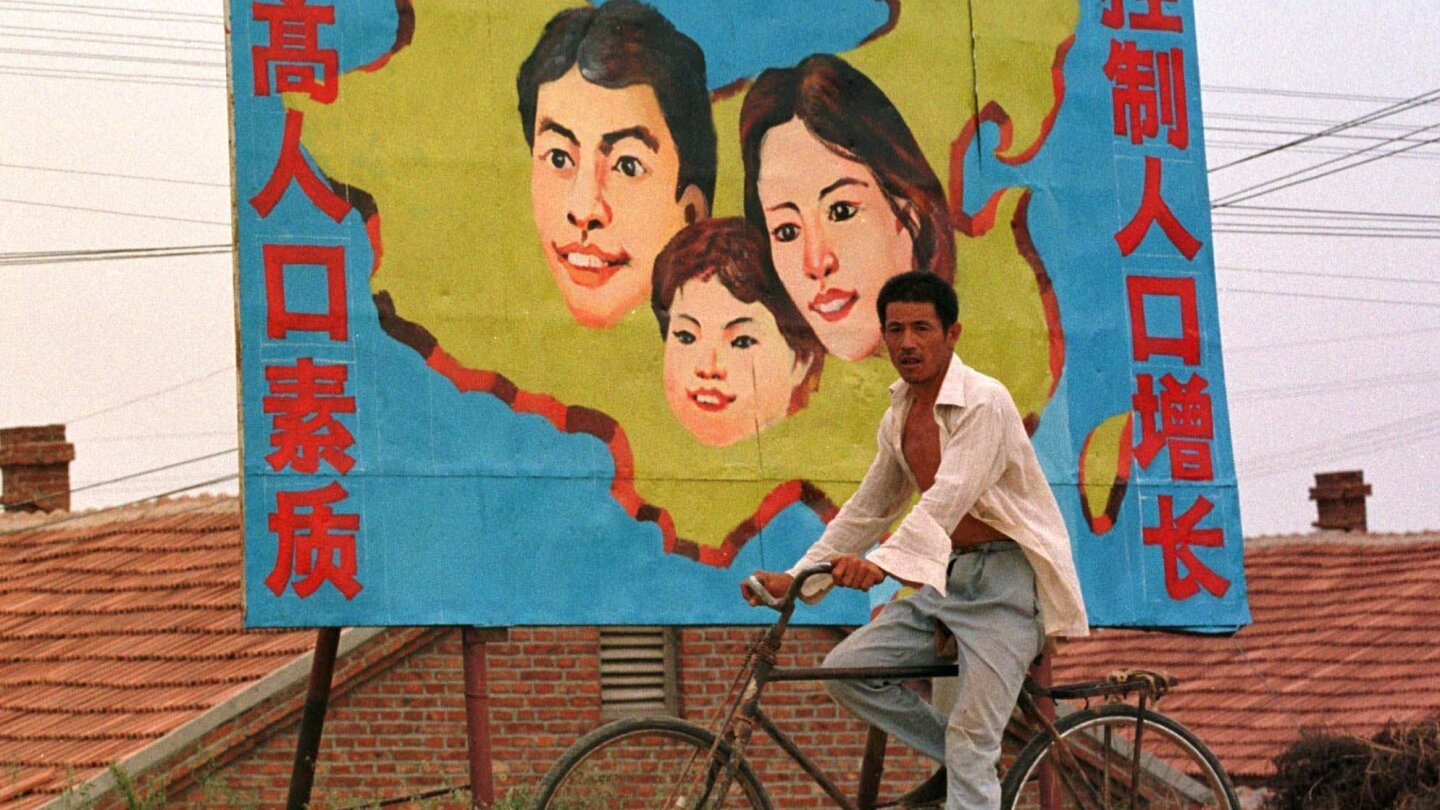
China’s one-child policy, one of the most drastic population control measures ever implemented globally, is facing renewed scrutiny as the country grapples with record-low birth rates and a declining population for the fourth consecutive year.
Enforced for 35 years before being scrapped in 2015, the policy forced abortions on women, made sterilization widespread, and contributed to female infanticide as families prioritized having male children when limited to just one offspring.
“It’s hard to escape the fact that China demographically shot itself in the foot,” said Mei Fong, author of “One Child: The Story of China’s Most Radical Experiment,” a 2016 book examining the policy’s far-reaching consequences.
When Chinese leadership implemented the policy in 1980, the nation had reached 1 billion people. Officials viewed unchecked population growth as a threat to both economic development and food security. This concern wasn’t unique to China at the time—population control was a global preoccupation, with experts fearing rapid growth in developing nations would overwhelm Earth’s resources.
China had already begun encouraging smaller families in the 1970s, and birth rates had started declining naturally. However, the government opted for a more direct approach, introducing the one-child policy with harsh enforcement mechanisms including steep financial penalties for violators, forced abortions, and widespread sterilization campaigns.
The impact of these measures is evident in the dramatic reduction of sterilization procedures after the policy was relaxed. Yi Fuxian, a senior scientist in obstetrics and gynecology at the University of Wisconsin-Madison, notes that sterilizations plummeted from 1.4 million women and 180,000 men in 2014 to just 190,000 women and 2,600 men by 2020.
After recognizing the looming demographic crisis, authorities began allowing two children per couple in 2016 and raised the limit to three in 2021. However, reversing decades of ingrained social norms has proven challenging.
The policy’s legacy extends beyond just reducing population growth. It created a generation of “little emperors”—only children who received intense attention and resources from parents and grandparents. Now in their 30s and 40s, these individuals face enormous pressure as sole providers for aging parents and sometimes four grandparents.
“The little emperor at some point becomes the slave,” Fong observed, noting that this burden contributes to anxiety and depression among many in this generation.
The policy also created a significant gender imbalance due to a cultural preference for male children, with many families choosing to abort female fetuses or, in extreme cases, abandoning or killing baby girls.
China now faces a demographic crisis common to developed economies but accelerated and intensified by its policy intervention: an aging society with too few working-age people to support the growing retirement population. This imbalance threatens government finances and pension systems in the coming decades.
The government has implemented various measures to boost birth rates, from eliminating tax exemptions for condoms to providing cash subsidies for couples having children. However, experience from other countries suggests that reversing declining birth rates is extraordinarily difficult once societal norms and economic conditions favor smaller families.
This situation raises a profound question about whether the one-child policy was ultimately necessary. Many demographers now suggest China would have experienced a natural decline in fertility as it developed economically, similar to patterns seen in other industrializing nations, without the severe social costs and demographic distortions created by the policy.
As China confronts its demographic challenges, the legacy of this radical experiment serves as a cautionary tale about government intervention in family planning and the unintended consequences that can reverberate for generations.
Fact Checker
Verify the accuracy of this article using The Disinformation Commission analysis and real-time sources.

14 Comments
Interesting perspective on China’s one-child policy. It’s clear the policy had far-reaching consequences, both intended and unintended. Curious to hear more analysis on whether it was truly necessary given the demographic challenges the country now faces.
Yes, the policy seems to have backfired in many ways. I wonder if a more gradual, voluntary approach could have achieved similar goals without the human rights abuses.
Fascinating article. The one-child policy seems to have been a dramatic overreach, with devastating consequences for individual rights and China’s demographic future. I’m curious to hear more expert perspectives on whether this policy was truly necessary or if more nuanced approaches could have achieved similar goals.
This is a sobering example of how even well-intentioned policies can have devastating unintended consequences. The human rights abuses and demographic challenges China now faces are a cautionary tale about the dangers of heavy-handed government intervention.
This policy highlights the risks of heavy-handed state intervention in personal decisions. While population growth was a concern, it seems the cure was worse than the disease. Curious to see how China addresses its aging population and declining birth rates going forward.
Agreed, a more balanced, nuanced approach may have been preferable. Interesting to see how other countries have tackled these demographic challenges without such draconian measures.
The one-child policy highlights the complexities and risks of population control measures. While the intent may have been to address economic and resource concerns, the human toll was clearly immense. It will be interesting to see how China navigates these demographic challenges going forward.
Absolutely, this policy serves as a stark reminder that policymakers must carefully weigh all potential impacts, both intended and unintended, before implementing such sweeping measures.
This is a sobering look at how even well-intentioned policies can go awry and have devastating human impacts. The demographic challenges China now faces are a cautionary tale about the dangers of heavy-handed government intervention in personal decisions.
Absolutely, it’s a stark reminder that policymakers must be extremely thoughtful and consider all potential ramifications before enacting such far-reaching measures.
Fascinating analysis. The one-child policy seems to have been a classic case of the law of unintended consequences in action. I’m curious to learn more about the expert perspectives questioning whether it was truly necessary in the first place.
The unintended consequences of the one-child policy, like female infanticide, are deeply troubling. It’s important to carefully consider the human impacts before implementing such sweeping population control measures, even if the intent is to address economic concerns.
The human rights abuses associated with this policy are deeply troubling. While population control may have been a legitimate concern, the methods employed were clearly unethical and harmful. It will be interesting to see how China grapples with the demographic fallout.
Agreed, the ends don’t justify the means in this case. A more balanced, voluntary approach could have potentially achieved similar goals without the egregious human rights violations.