


Listen to the article
China’s Coal Power Surge Raises Climate Concerns Despite Renewable Expansion
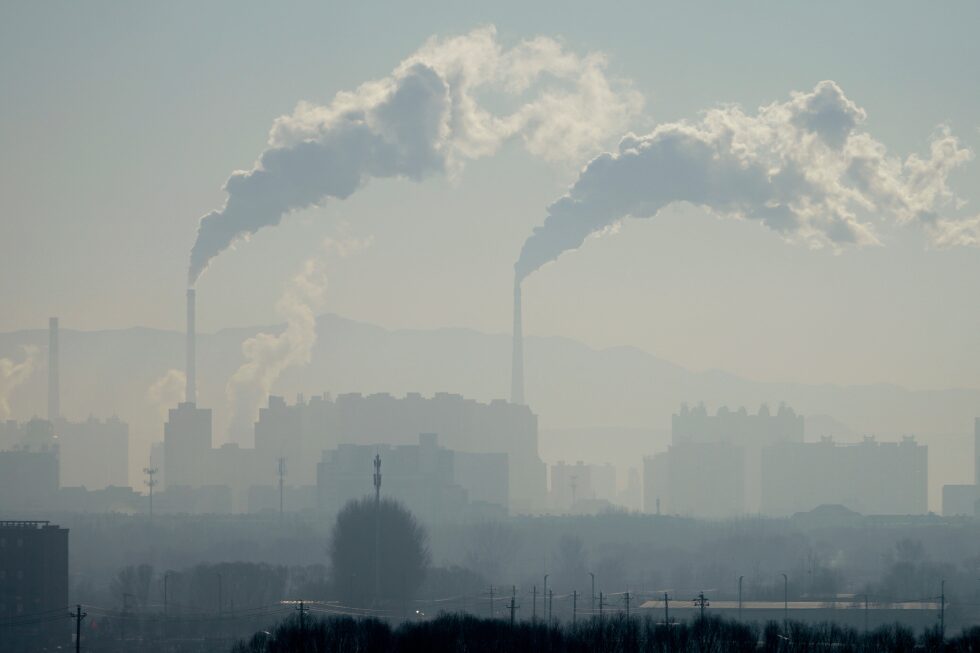
Even as China races ahead with unprecedented solar and wind power development, the country commissioned an alarming number of new coal-fired power plants in 2025, raising serious questions about its climate commitments and energy strategy.
A new report released Tuesday by the Centre for Research on Energy and Clean Air and Global Energy Monitor reveals that China brought 78 gigawatts of new coal power capacity online last year, including more than 50 large coal units with at least 1 gigawatt capacity each. This marks a sharp increase from the previous decade, when China typically added fewer than 20 such units annually.
“The scale of the buildout is staggering,” said Christine Shearer of Global Energy Monitor, a co-author of the report. “In 2025 alone, China commissioned more coal power capacity than India did over the entire past decade.”
Simultaneously, China made extraordinary progress in renewable energy deployment, adding 315 gigawatts of solar capacity and 119 gigawatts of wind in 2025, according to the National Energy Administration. This substantial growth in clean energy managed to reduce coal’s share in China’s overall power generation by about 1 percent, as renewables met all new electricity demand.
This paradoxical energy approach—aggressively expanding both clean energy and coal power—stems from several factors. As the world’s most populous nation with 1.4 billion people and a growing middle class, China faces increasing energy demands to power everything from manufacturing to air conditioners and washing machines. The country is also prioritizing artificial intelligence development, which requires substantial computing power.
Energy security concerns remain paramount for Chinese policymakers. Power shortages in 2021 and 2022, which forced some factories to halt production and led to rolling blackouts in certain regions, triggered a policy response that encouraged coal plant construction. A severe drought during this period also reduced hydropower output, a crucial energy source in western China.
“Once permits are issued, projects are difficult to reverse,” explained Qi Qin, an analyst at the Centre for Research on Energy and Clean Air and another report co-author. The current surge in operational capacity reflects decisions made in 2022-23, when authorities approved numerous coal projects following the energy crunch.
The report indicates this trend may continue, with construction beginning on an additional 83 gigawatts of coal power last year, suggesting substantial new capacity will come online in the near future.
China’s National Development and Reform Commission, the country’s top economic planning agency, maintains that coal should “play an important underpinning and balancing role” in the energy mix for years to come. The China Coal Transportation and Distribution Association similarly emphasized last week that coal-fired power remains essential for grid stability.
However, energy experts warn that building excessive coal capacity could seriously hamper China’s energy transition and climate goals. Qin noted that political and financial pressures may keep these plants operating even when unnecessary, potentially crowding out cleaner alternatives.
“Whether China’s coal power expansion ultimately translates into higher emissions will depend on… whether coal power’s role is genuinely constrained to backup and supporting rather than baseload generation,” said Qin.
The report recommends that China accelerate the retirement of aging, inefficient coal plants and commit in its upcoming five-year plan, due in March, to ensuring that power-sector emissions do not increase between 2025 and 2030.
China’s energy strategy carries global implications as the world’s largest carbon emitter. While its renewable deployment demonstrates commitment to a cleaner energy future, the concurrent coal expansion raises serious questions about whether the country can meet its climate targets while maintaining its current approach to energy security and economic growth.
Fact Checker
Verify the accuracy of this article using The Disinformation Commission analysis and real-time sources.

14 Comments
This is a complex issue with no easy solutions. China’s need for reliable energy to power its economy must be balanced with its climate commitments. The rapid growth of renewables is encouraging, but the continued coal expansion is worrying.
You’re right, this is a delicate balancing act. China’s energy strategy will be closely watched by the global community as it grapples with these tradeoffs.
The scale of China’s coal plant construction is indeed alarming. However, the country’s renewable energy deployment is also impressive and a positive step. It will be interesting to see how China manages this apparent contradiction in its energy policy.
Agreed. China’s commitment to clean energy is admirable, but the continued reliance on coal remains concerning from a climate perspective.
The contrast between China’s rapid renewable energy deployment and its continued investment in coal power plants is striking. This highlights the complexity of transforming an entire energy system and the trade-offs involved. China’s ability to navigate this challenge will be crucial for global climate action.
Absolutely. China’s energy strategy will be a key focus for policymakers and climate advocates worldwide. The country’s choices in this area will have far-reaching consequences.
China’s continuing investment in coal power is concerning, given the urgency of reducing emissions. However, the country’s massive expansion of solar and wind capacity is also remarkable and shows its commitment to renewables. It will be critical to balance these competing priorities in China’s energy strategy.
You make a good point. Balancing the need for reliable baseload power and the rapid growth of renewables is a delicate challenge for China’s policymakers.
While the rapid growth of China’s renewable energy capacity is laudable, the continued investment in coal power plants raises serious questions about the country’s climate commitments. Reconciling these divergent trends will be a key test of China’s leadership on environmental issues.
Well said. China’s energy policy will have major implications for global climate efforts, and its approach to this challenge will be closely scrutinized.
China’s expansion of renewable energy is impressive, but the continued reliance on coal-fired power plants is concerning. The country’s energy strategy will need to carefully balance these competing priorities to meet its climate goals and ensure reliable power supply.
Agreed. China’s ability to effectively manage this energy transition will have significant global implications. It will be important to closely monitor the country’s progress and policy decisions in this area.
It’s concerning to see China’s coal power capacity increase so significantly, even as it makes impressive strides in renewable energy. This highlights the difficulty of transitioning an entire energy system away from fossil fuels. Sustained policy focus and innovation will be critical.
Absolutely. China’s energy transition is a monumental challenge, and the world will be watching closely to see how it navigates this complex landscape.