


Listen to the article
Market Turbulence: Experts Advise Patience for Retirement Investors Amid Global Tensions
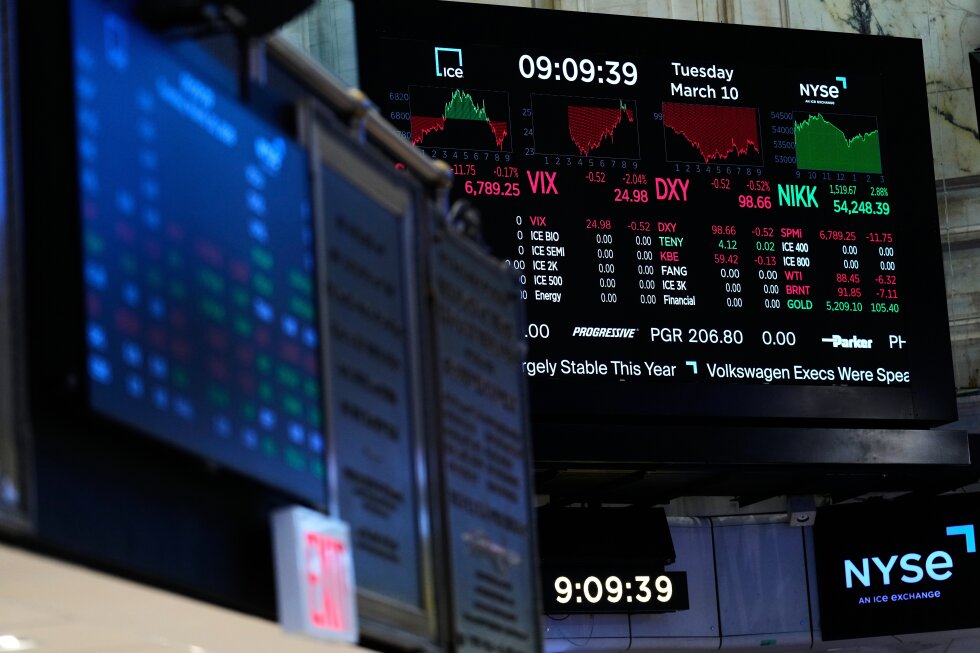
Market volatility has reached fever pitch in recent weeks, leaving many retirement investors questioning whether they should take action to protect their savings. However, financial experts continue to recommend a steady approach despite the dramatic swings triggered by geopolitical tensions.
The U.S. stock market has historically recovered from every significant downturn it has faced. Whether confronting global financial crises, trade disputes, or military conflicts, the S&P 500 has consistently rebounded to reach new heights. While these recoveries can take years to materialize, investors who abandoned stocks during downturns often missed the subsequent recovery and growth opportunities.
“Although volatility may feel uncomfortable, could rise from here, and possibly cause a near-term drawdown in stocks, volatility in itself tends to be brief when it reaches more extreme levels,” notes Anthony Saglimbene, chief market strategist at Ameriprise. “And, more often than not, the extreme volatility provides investors with a solid long-term entry point to buy stocks rather than sell.”
The ongoing conflict in Iran represents the latest challenge to market stability. Fighting has disrupted shipping through the Strait of Hormuz, a critical waterway that normally handles about 20% of global oil transport daily. With regional storage facilities reaching capacity and nowhere for crude to go, producers have announced output reductions.
Oil prices briefly spiked to nearly $120 per barrel on Monday—the highest level since mid-2022—amid concerns that production disruptions could persist. Some analysts project prices could reach $150 if the strait remains closed for an extended period. Prolonged high oil prices risk pushing the global economy toward “stagflation,” a problematic combination of stagnant growth and high inflation that presents central banks with limited effective response options.
Despite these concerns, the S&P 500 remains only 4.4% below its January all-time high. The market’s volatility, however, creates the perception of greater losses. Since the Iran conflict began, the Dow Jones Industrial Average has experienced multiple sessions where morning losses of approximately 900 points were substantially or completely erased by the day’s end.
Market corrections—declines of 10% or more—occur roughly annually and are viewed by professionals as healthy adjustments that prevent excessive optimism from driving prices to unsustainable levels. This historical context is important for investors considering dramatic portfolio changes.
While moving retirement investments from stocks to bonds might reduce volatility exposure, it creates the challenge of determining when to reinvest in equities. Market timing is notoriously difficult, and some of the strongest market rallies have occurred amid downturns. Financial advisors typically recommend keeping money in stocks only if you won’t need access to those funds for several years, ideally a decade or longer.
The democratization of investing through smartphone apps has introduced many first-time investors to market volatility. However, younger investors benefit from longer time horizons, allowing their portfolios to recover and potentially grow substantially before retirement. For this demographic, market downturns can represent buying opportunities.
Near-retirees face greater challenges with less recovery time available. Those already retired might consider reducing withdrawals during significant downturns to preserve future growth potential. Even in retirement, investments may need to last 30 years or more, requiring some continued equity exposure.
Emergency withdrawals from retirement accounts carry substantial penalties and tax implications while eliminating any chance for those investments to recover. Loans against 401(k) accounts may be possible but come with their own complications and potential penalties.
This market environment differs from previous downturns in some respects. Typically, Treasury bonds and gold prices rise during stock market declines as investors seek safer assets. Currently, Treasury prices have been pressured by inflation concerns, while gold has periodically struggled when Treasury yields have climbed, as non-yielding assets become less attractive when bonds pay higher interest.
The duration of current market volatility remains unknown. For most retirement investors with adequate time horizons, financial professionals continue to advocate patience and a long-term perspective rather than reactive changes during periods of uncertainty.
Fact Checker
Verify the accuracy of this article using The Disinformation Commission analysis and real-time sources.

16 Comments
The key takeaway from this article is that patience and discipline are crucial when navigating volatile markets. Trying to frantically react to every twist and turn is more likely to harm your portfolio than help it.
Well said. Successful investing is often more about managing your own behavior and emotions than outsmarting the market. Staying the course is usually the best policy.
Interesting to see the experts advising patience during market turbulence. It’s true that historically, the markets have always recovered from downturns, even major ones. Holding steady and riding out the volatility often pays off in the long run.
Exactly, trying to time the market by selling during downturns often leads to missing out on the subsequent recovery and growth. A steady, long-term approach is usually the wisest strategy.
The advice to be patient and avoid panic-selling during market downturns is spot on. History has shown that those who can stomach the volatility and stay invested often end up ahead in the long run.
Absolutely. It’s human nature to want to do something when markets get rocky, but in this case, inaction is often the best course of action.
This article provides valuable insights for investors on how to approach market turbulence. The experts’ advice to be patient and avoid panic-selling is spot on – it’s a lesson that’s been proven time and time again.
Absolutely. History has shown that those who can stomach the volatility and stay invested often end up ahead in the long run. Maintaining a diversified portfolio and a steady, long-term mindset is key.
Volatility is a natural part of investing, so it’s good to see the experts advising investors not to get too rattled by it. Riding out the ups and downs with a long-term mindset is usually the best policy.
Absolutely. Trying to time the market is an exercise in futility. The key is to maintain a diversified portfolio and have the patience to let it grow over time.
This article highlights an important lesson for investors – don’t panic when the markets get volatile. Maintaining a disciplined, patient approach is key, even when the swings feel uncomfortable in the short term.
Agree, staying the course and avoiding knee-jerk reactions is critical. Markets tend to reward those with the fortitude to weather the storms.
This is a great reminder that market volatility, while unsettling, is a normal part of investing. Maintaining a long-term perspective and avoiding rash decisions is usually the wisest approach.
Couldn’t agree more. Trying to time the market or overreact to short-term swings is a recipe for suboptimal returns. Steady as she goes is the way to go.
This article reinforces the importance of having a solid investment strategy and sticking to it, even in turbulent times. Trying to frantically react to every market swing is a surefire way to underperform.
Well said. Successful investing is often more about managing your own behavior and emotions than outsmarting the market.