


Listen to the article
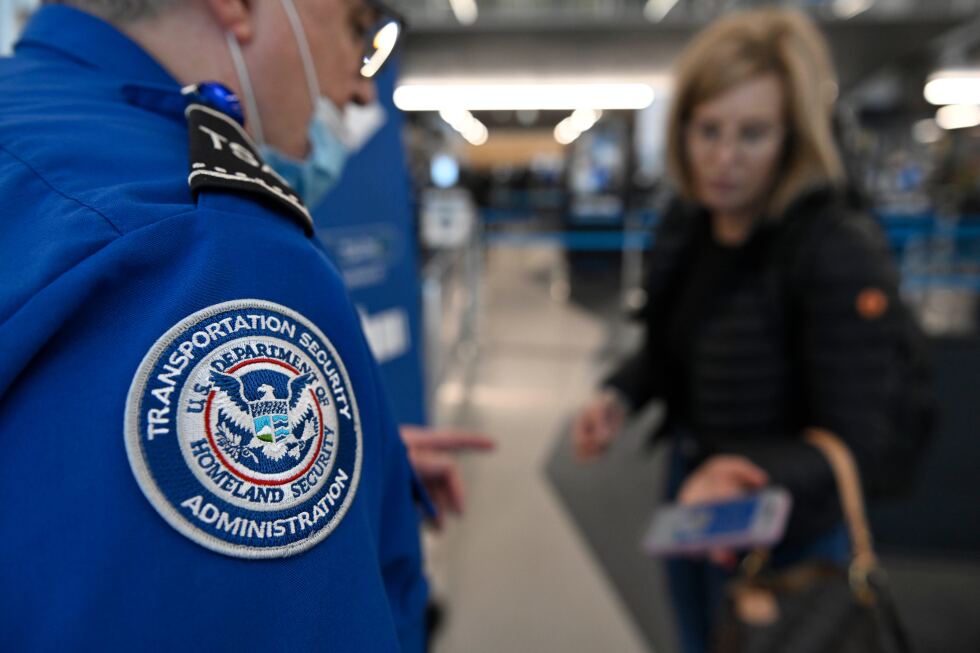
U.S. airport operations face potential shutdowns as Transportation Security Administration officers continue to work without pay amid an ongoing funding impasse for the Department of Homeland Security. Federal officials warn that staffing shortages could lead to closures at smaller airports as officers are reassigned to major hubs experiencing severe security delays.
TSA personnel missed their second consecutive paycheck on Friday since the DHS funding lapsed on February 14. The situation has resulted in unprecedented disruption to air travel across the country, with security wait times stretching for hours at major airports including Houston, Atlanta, and New Orleans.
“This level of disruption is unprecedented,” said Ha Nguyen McNeill, the agency’s acting administrator. “We are being forced to consolidate lanes, and may have to close smaller airports if we do not have enough officers.”
Transportation Secretary Sean Duffy echoed these concerns, expecting more airport screeners to quit or call out of work as financial pressures mount. Approximately 11% of officers nationwide have already missed scheduled shifts this week, with absentee rates exceeding 40% at some airports on certain days.
Johnny Jones, a leader of the American Federation of Government Employees union representing TSA officers, revealed Thursday that the agency has compiled a list of roughly 75 airports that could potentially close to redirect personnel to major hubs experiencing critical staffing shortages. While the specific airports remain undisclosed, Jones suggested the impact could extend beyond tiny facilities to include “decent-sized airports surrounding large hubs.”
“The agency has to look at it as, ‘Wow man, at the end of the day, we still have to do essential work and protect the American people.’ It becomes very difficult to do when you have this going on,” Jones said.
President Donald Trump announced Thursday his intention to sign an emergency order to pay TSA officers while Congress continues negotiations on DHS funding. If implemented, this measure could alleviate the immediate crisis and reduce security delays.
Aviation security experts note that smaller airports face the greatest closure risk. Unlike larger facilities that can temporarily shut down some checkpoints while maintaining operations, airports with a single security checkpoint have no alternatives if staffing falls below minimum requirements.
“Every airport, no matter its size, has some impact to the National Airspace System,” said airport security expert Jeff Price, highlighting the interconnected nature of air travel infrastructure.
Sheldon Jacobson, an aviation security expert whose research contributed to the development of TSA PreCheck, suggested the administration might be leveraging closure threats to pressure Congress into reaching a funding agreement. “This is a situation that, once again, the politicians are trying to move the needle to get people to compromise by making threats. Are these threats realistic? Yes. Are they a good idea? No,” Jacobson said.
Previous attempts to address staffing shortages by deploying Immigration and Customs Enforcement officers to assist with airport security have proven inadequate. Union leaders have criticized this approach, arguing that immigration officers lack the specialized training and experience needed for effective screening operations.
The economic consequences of airport closures could be far-reaching. Regional airports serve as critical transportation links for smaller communities, supporting local businesses, tourism, and providing essential connectivity to the national air transportation network.
“Despite the fact that we’re talking about small regional airports, this is a big deal,” said Eric Chaffee, a Case Western Reserve law professor specializing in risk management. “Ultimately, if this does occur, having to drive a half hour to an airport is a lot different than having to drive three hours to an airport.”
For TSA officers, the prospect of reassignment creates additional hardships beyond missed paychecks. Jones noted that officers potentially facing redeployment worry about increased commuting costs or temporary relocation to distant cities.
Meanwhile, the broader economic impact continues to grow. Airlines rely on passengers from smaller airports to fill flights at major hubs, and disruptions could threaten jobs throughout the aviation sector, from retail and restaurant workers to cleaning staff.
“We are playing with fire right now when we are threatening such a large contributor to our GDP,” Jacobson warned, emphasizing the aviation industry’s significance to the national economy.
Fact Checker
Verify the accuracy of this article using The Disinformation Commission analysis and real-time sources.

22 Comments
This is a concerning situation for air travel. Closures of smaller airports would be hugely disruptive, especially for regional hubs and communities that rely on them. I hope a resolution can be reached soon to avoid further disruptions.
Agreed, the ripple effects of airport closures could be severe. Travelers and local economies would be hit hard. It’s critical the government and TSA find a way to keep airports operational during this impasse.
This is a concerning situation. Potential airport closures would be highly disruptive to air travel and the economy. I hope a resolution can be reached soon to avoid further operational disruptions.
Agreed. The TSA staff shortages are worrying. Proper security screening is essential for safe air travel. Hopefully a compromise can be found to resume normal operations quickly.
This funding impasse is really concerning. Airport closures would be hugely disruptive, both for individuals and for businesses that rely on air travel. I hope the government can find a quick resolution to this situation.
This situation highlights the importance of political compromise and responsible governance. Airport closures would have widespread economic consequences. I hope both parties can come together to find a workable solution.
This is a really challenging situation for the TSA and air travelers. The potential for airport closures is worrying, especially as it could impact economic activity in affected regions. I hope the funding issues can be resolved quickly.
Airport closures due to TSA staffing shortages would be a major disruption. Reliable air travel is essential for businesses and individuals. I hope the government and industry can work together to find a solution that keeps airports open and operational.
The potential for airport closures is quite concerning. Reliable air travel is essential for business and personal mobility. I’m curious to see what steps the government and airlines might take to minimize the impact on passengers.
It’s troubling to see the impact of the funding impasse on critical transportation infrastructure. Airport closures would be a major inconvenience for travelers and businesses. I wonder what alternatives are being considered to mitigate the situation.
That’s a good point. Exploring interim solutions like reassigning officers or consolidating operations could help reduce disruptions while a long-term funding agreement is worked out.
This is a worrying development. Airport closures would be a major headache for travelers and local economies. I hope the government and TSA can find a way to keep operations running smoothly despite the staffing issues.
Airport closures would be a major headache for travelers and the transportation industry. I wonder if there are any contingency plans in place to maintain operations, even on a reduced scale, in the event of staffing shortages.
That’s a good question. Maintaining at least some level of service would be crucial to mitigate the impact on passengers and the economy. Hopefully the authorities are exploring all options to keep airports running.
This is a concerning situation. Airport closures would create significant logistical and economic challenges. I wonder if there are any short-term measures that could be taken to maintain at least a basic level of service while a longer-term solution is worked out.
This is a worrying development. Airport closures would create major headaches for travelers and the transportation industry. I wonder what contingency plans are in place to maintain at least some level of operations if the staffing issues persist.
That’s a good point. Keeping at least some airports open, even with reduced capacity, would be crucial to minimize the impact on passengers and the broader economy.
The potential for airport closures due to TSA staffing shortages is a serious problem. Reliable air travel is critical for the economy and people’s ability to get around. I’m curious to see what creative solutions might be proposed to address this challenge.
The TSA staffing shortages due to the government shutdown are deeply concerning. Closing smaller airports would be hugely disruptive for many communities that depend on that air service. I wonder what the long-term impacts could be if this drags on.
That’s a great question. The long-term effects of sustained airport closures or reduced service could be quite severe, both economically and in terms of connectivity. It’s critical for a resolution to be found soon to avoid compounding problems.
The TSA staffing shortages due to the funding lapse are really troubling. Closing smaller airports would be a major inconvenience for many flyers. I wonder what contingency plans airports and airlines have in place in case this situation worsens.
That’s a good point. Airports and airlines will need to be proactive and nimble to minimize disruptions if more severe staffing shortages materialize. Creative solutions may be required to keep operations running smoothly.