


Listen to the article
FDA Considers Philip Morris’s Health Claims for Popular Nicotine Pouches
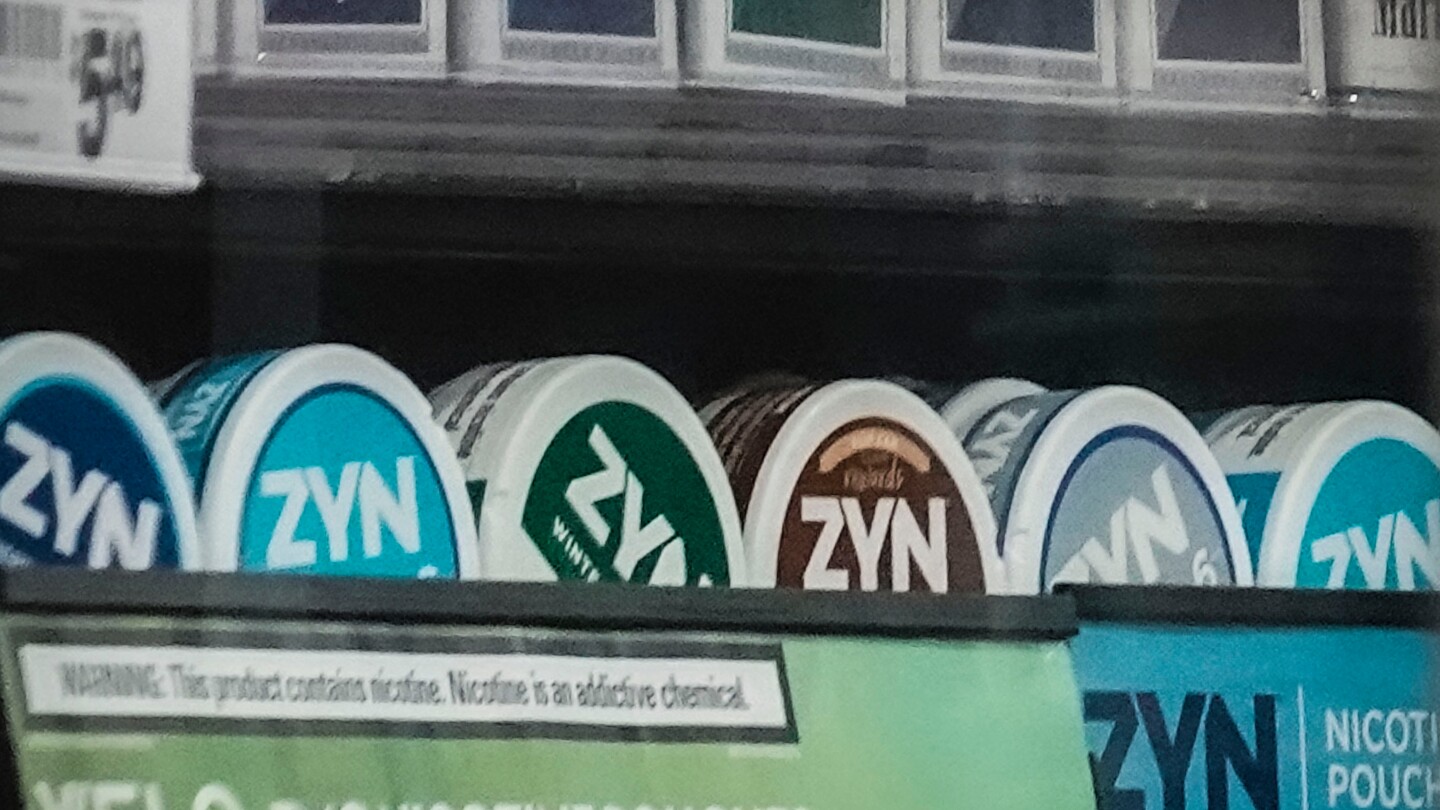
Americans who smoke may soon encounter new marketing messages about Zyn, the flavored nicotine pouches that have generated billions in sales while gaining viral popularity on social media platforms.
The Food and Drug Administration convened a public meeting Thursday to evaluate whether Philip Morris International can advertise its pouches as a less harmful alternative for adults who currently smoke cigarettes. Government documents released before the meeting suggest FDA regulators are leaning toward approving the company’s request, though the final decision will come after input from an outside panel of health experts.
Philip Morris is seeking permission to explicitly state that using Zyn reduces the risk of “mouth cancer, heart disease, lung cancer, stroke” and other smoking-related diseases. The ability to make such claims in marketing materials would significantly strengthen Zyn’s market position in the United States, where it already dominates the nicotine pouch segment.
FDA tobacco staffers indicated preliminary support for the company’s proposal, noting that after evaluating “the totality of the evidence,” they found the health claims to be “scientifically accurate.” The agency authorized Zyn to remain on the market last January after years of federal review, determining that the small pouches pose fewer health risks than cigarettes and other traditional tobacco products.
Zyn contains nicotine powder and comes in 10 flavors, including mint, coffee, and citrus. While less than 1% of U.S. adults currently use nicotine pouches, they represent the fastest-growing segment of an otherwise shrinking tobacco market. As consumers quit smoking, die, or switch to alternatives like e-cigarettes, tobacco companies have been scrambling to develop new revenue streams.
Within this emerging category, Zyn’s market dominance is striking. Last year, it generated more than $3.24 billion in sales, capturing over two-thirds of the U.S. market for nicotine pouches, according to Nielsen data analyzed by Goldman Sachs. The FDA recently authorized the second-place brand, on! Plus from Altria, in December.
Philip Morris investor materials reveal that most Zyn users are in their 30s and 40s with higher incomes than typical cigarette or e-cigarette users. The company is positioning the product as a safer alternative for adult smokers looking to reduce health risks without giving up nicotine entirely.
Rather than conducting long-term health studies specifically on Zyn, Philip Morris based much of its application on research involving snus, a similar oral tobacco product popular in Sweden and other Scandinavian countries. Studies in those regions have consistently demonstrated lower rates of lung cancer, mouth cancer, and related diseases among snus users compared to smokers.
The company argues that Zyn presents even lower health risks than snus because it doesn’t contain tobacco leaves, only nicotine. Research by Philip Morris showed Zyn had unquantifiable levels of 36 out of 42 carcinogens and harmful chemicals found in tobacco products. For the remaining six chemicals, FDA reviewers determined the amounts “were below the level that would be expected to pose a health risk.”
While considering potential benefits for adult smokers, the FDA must also weigh possible harms to young people and non-smokers who might be attracted to the product. Anti-tobacco advocates have raised concerns about Zyn’s growing presence on social media platforms, where videos from “Zynfluencers” and young users have accumulated tens of millions of views in recent years.
A study by the Truth Initiative, an anti-tobacco nonprofit organization, revealed that spikes in viral TikTok videos about Zyn in 2022 and 2023 were followed by jumps in product sales. However, the authors acknowledge uncertainty about whether these videos directly drove sales or simply reflected the product’s increasing popularity.
Despite these trends, teenage use of nicotine pouches remains relatively low, with federal survey data showing about 2.4% of high school students using the products.
The FDA panel of independent public health experts will debate these issues during an all-day meeting. Their recommendations are non-binding, and the agency has no specific deadline for making a final decision on Philip Morris’s application.
If approved, the marketing authorization would represent a significant milestone in the tobacco industry’s pivot toward products positioned as reduced-risk alternatives while maintaining nicotine delivery systems that preserve customer addiction and revenue streams.
Fact Checker
Verify the accuracy of this article using The Disinformation Commission analysis and real-time sources.

18 Comments
The FDA’s decision on Zyn’s advertising will set an important precedent. I hope they take a balanced, nuanced approach that considers both the potential benefits and risks for public health.
Agreed. This is a complex issue without easy answers, so a measured, science-based process is essential.
As a former smoker, I’m curious to learn more about the evidence on reduced health risks with Zyn versus traditional cigarettes. But the FDA will need to ensure any marketing claims are fully substantiated.
Good point. Harm reduction is important, but the FDA has to make sure consumers aren’t misled by unsupported claims.
As a former smoker, I’m intrigued by the idea of nicotine pouches as a potential harm reduction tool. But the FDA will need to ensure any marketing claims are fully justified by the evidence.
That’s a fair perspective. Harm reduction could be valuable, but the science behind it must be robust.
It will be interesting to see the feedback from the FDA’s expert panel on Zyn’s health claims. Rigorous scientific review is critical given the potential for these products to either help or harm public health.
Absolutely. The panel’s input should play a key role in shaping the final FDA decision on Zyn’s advertising.
Zyn’s viral popularity on social media is concerning. The FDA will need to carefully examine how that could impact youth uptake, even if the company’s health claims are supported.
Good point. Social media marketing strategies are a crucial factor the agency should scrutinize.
Nicotine pouches are a growing part of the tobacco/nicotine market. The FDA’s decision on Zyn’s advertising could set an important precedent for how these products are positioned and marketed going forward.
Absolutely. The agency’s call will likely have ripple effects across the entire nicotine pouch segment.
The popularity of nicotine pouches like Zyn, especially among young people, is concerning. The FDA should carefully weigh the public health implications before allowing broad marketing around reduced risk.
I agree. Youth appeal and uptake is a major issue the agency will need to grapple with in this decision.
Interesting to see the FDA evaluating Philip Morris’s health claims for Zyn nicotine pouches. It will be important to carefully weigh the evidence and potential public health impacts before approving any marketing assertions about reduced risk.
Agreed. The FDA will need to scrutinize the data thoroughly to ensure Zyn’s claims are well-supported and won’t mislead consumers.
As a public health advocate, I hope the FDA takes a cautious, evidence-based approach to Zyn’s proposal. Nicotine addiction is a serious issue, and any health claims need to be solidly backed up.
Well said. Protecting public health should be the top priority in evaluating these kinds of marketing requests.