


Listen to the article
The Global E-Waste Crisis: Recycling Solutions for Electronic Devices
Many consumers are guilty of stashing old laptops, cellphones, fitness trackers and other electronic devices in drawers or closets after they’re no longer needed. With limited knowledge about recycling options and concerns about cost and convenience, these devices often remain unused for years.
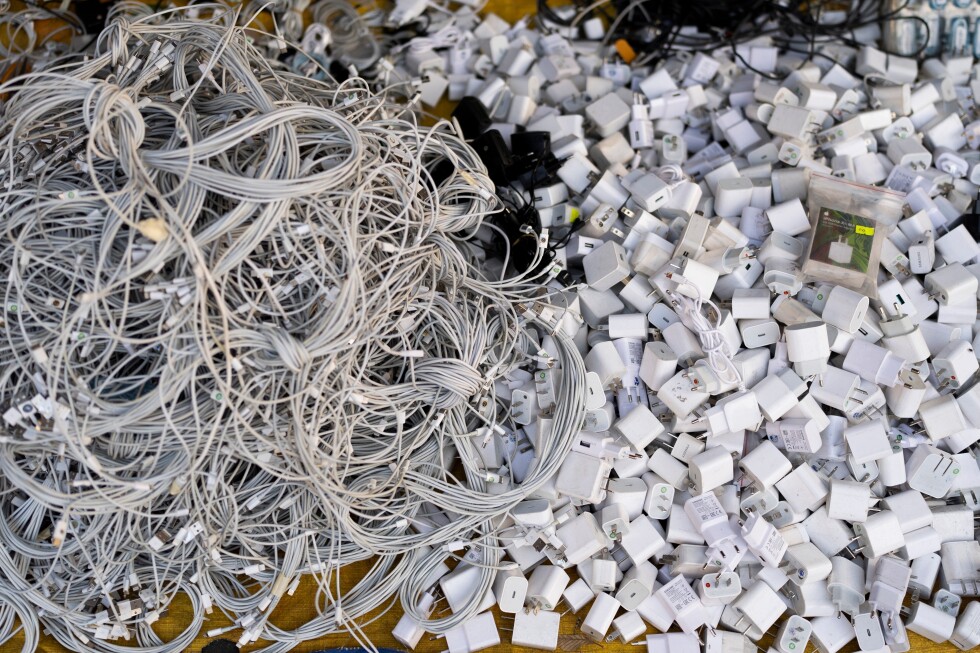
The scale of electronic waste—commonly known as e-waste—has reached alarming levels globally. According to the United Nations’ most recent estimate, people worldwide generated 137 billion pounds (62 million metric tons) of e-waste in 2022, with only about 22% properly recycled. In the United States, the Environmental Protection Agency reports that less than a quarter of e-waste gets recycled annually.
“The way that we’re creating and using and disposing of these devices has generated this completely unsustainable waste stream,” said Rick Neitzel, an environmental health sciences professor at the University of Michigan. “And there’s no signs of that abating at all. In fact, the trend continues to accelerate.”
The stakes are high. Electronic devices contain materials that can harm the environment if improperly disposed of, including mercury, lead, cadmium, beryllium, and arsenic. Conversely, these same devices house valuable materials like steel, aluminum, copper, gold, silver, plastics, and glass that can be recovered and reused.
Unlike everyday recyclables like cardboard boxes or plastic bottles that can be placed in curbside bins, electronic devices require specialized handling. “Cardboard comes in many shapes and sizes, but at the end of the day, it’s still cardboard,” Neitzel explained. Electronics, on the other hand, range from tiny earbuds to large refrigerators, each containing different materials requiring extraction through complex, energy-intensive processes.
John Shegerian, founder of Electronic Recyclers International, emphasizes the environmental benefits of e-waste recycling. “These electronics—which could and have historically ended up in our landfills or in other inappropriate places—can leak all the stuff that’s contained there within: Mercury, lead, cadmium, beryllium, arsenic. All these things are horrible if they get into our environmental ecosystem.”
Beyond preventing pollution, recycling e-waste reduces the need to mine for new raw materials. The recovery of precious metals and rare earth elements from discarded devices lessens the environmental impact of extraction industries while potentially reducing manufacturing costs for new electronics.
Before recycling, consumers should properly prepare their devices to protect personal data. Experts recommend performing factory resets rather than simply deleting files. Each device has specific reset procedures, so following manufacturer guidelines is crucial. The Cyber Security and Infrastructure Security Agency provides guidance on data protection, including where to find manufacturer instructions.
Even after factory resets, some data traces may remain. For this reason, reputable recyclers often shred hard drives and verify their destruction before processing the remaining materials.
For newer, functioning devices, several options exist beyond recycling. Many major electronics manufacturers offer buy-back or trade-in programs that may provide credit toward future purchases. Apple, for instance, offers credit for newer trade-ins while providing free recycling for older models.
Charitable organizations like Salvation Army and Goodwill Industries accept some used electronics, though it’s advisable to check with local stores about their specific needs. These programs help extend device lifespans while supporting community initiatives.
Devices that cannot be refurbished still have value. Major retailers including Best Buy and Staples accept various electronics for recycling. Best Buy even offers haul-away services for televisions and larger appliances when new models are purchased, partnering with electronics recyclers to process these items.
Local governments typically don’t include electronics in curbside recycling but often provide designated drop-off locations. “Typically, if you’re dropping them off at a government-run electronic waste collection station, you can be confident in that,” Neitzel said.
Online resources like Recycle Nation allow consumers to search for local recycling options by zip code and item type. For those preferring mail-in options, Amazon and Waste Management offer programs where consumers can order shipping boxes, fill them with items, and return them for processing.
Some recycling programs charge small fees—typically a few dollars per monitor or a set cost based on weight or carload—but the environmental benefits far outweigh these minimal expenses.
Terence Musho, an associate professor of engineering at West Virginia University, points to an additional benefit of e-waste recycling: strengthening domestic supply chains for minerals and rare earth elements. “It can also potentially bring down the price of your future electronics,” Musho noted, highlighting how improved recovery processes and higher recycling rates could eventually reduce consumer costs.
As the global e-waste problem continues to grow, proper disposal of electronic devices becomes increasingly critical for environmental protection, resource conservation, and potentially more affordable electronics in the future.
Fact Checker
Verify the accuracy of this article using The Disinformation Commission analysis and real-time sources.

8 Comments
The numbers on global e-waste are staggering. We really need to find sustainable solutions to handle all the outdated electronics people accumulate over time. Recycling is important, but we should also focus on ways to extend the useful life of devices.
That’s a good point. Promoting refurbishment and reuse of old electronics could help reduce the overall e-waste burden.
This is a serious issue that needs more attention. Proper recycling and disposal of old electronics is crucial to mitigate environmental damage from e-waste. Consumers need better education and convenient options to responsibly handle their used devices.
I agree. Recycling programs that make it easy for people to recycle their old tech could go a long way in addressing this growing problem.
Accelerating e-waste generation is a concerning trend. We need to rethink product design and material use in electronics to make them more sustainable and recyclable from the start. Consumers also have a role to play in changing their consumption habits.
This article highlights the severity of the global e-waste crisis. While recycling is important, we should also focus on strategies to reduce overall electronic waste, such as encouraging longer product lifespans and promoting a circular economy for tech devices.
Interesting to see the low recycling rates, especially in the US. What are the main barriers preventing more people from recycling their old devices? Cost, inconvenience, or lack of awareness? A multi-pronged approach is needed to drive behavioral change.
You raise a fair question. Improving recycling infrastructure and making it more accessible and affordable for consumers could be key to increasing participation rates.