


Listen to the article
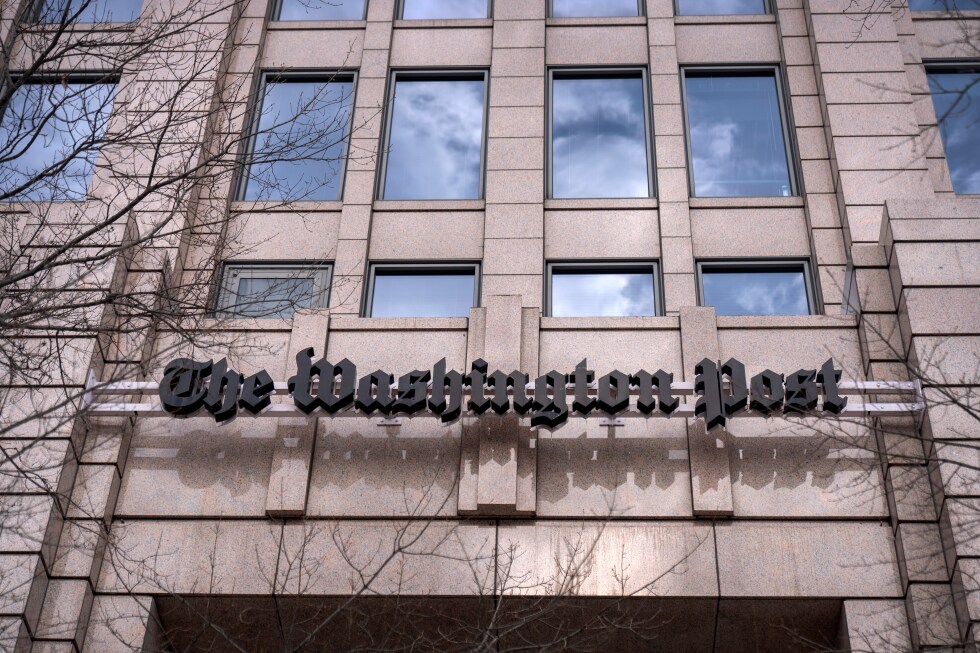
The Washington Post announced sweeping layoffs on Wednesday, cutting one-third of its staff across the newsroom and other departments in a dramatic restructuring of one of America’s most prestigious news organizations.
Executive editor Matt Murray delivered the news to employees during a Zoom meeting, detailing cuts that include the elimination of the newspaper’s entire sports department and a significant reduction in overseas correspondents. The Post, owned by Amazon founder Jeff Bezos, is also closing its books department, restructuring local Washington-area coverage and editing staff, and suspending its popular “Post Reports” podcast.
Employees received emails with one of two subject lines, bluntly informing them whether their position had been eliminated or spared. A Post representative confirmed the one-third reduction but declined to specify the total number of employees affected.
“The Washington Post is taking a number of difficult but decisive actions today for our future, in what amounts to a significant restructuring across the company,” a Post spokesperson said in a statement. “These steps are designed to strengthen our footing and sharpen our focus on delivering the distinctive journalism that sets The Post apart.”
The cuts represent a stunning reversal for an institution that gained legendary status for its Watergate reporting that helped bring down the Nixon presidency and, more recently, for its aggressive coverage of the Trump administration. The Post has long been considered a pillar of American journalism alongside The New York Times.
Industry observers note that these layoffs reflect broader challenges facing legacy media organizations as they struggle to adapt to digital transformation and changing consumer habits. The Post, while privately held and not required to disclose subscriber numbers, is believed to have approximately 2 million subscribers – a figure that has reportedly been declining.
The move follows weeks of rumors about impending cuts. Earlier, the Post had informed its sports journalists they would not be covering the upcoming Winter Olympics in Italy, a decision that was partially reversed after public backlash, with the newspaper announcing it would send a limited team instead.
The contrast with its longtime rival, The New York Times, is stark. While the Post cuts staff, the Times has doubled its workforce over the past decade and found success diversifying its revenue streams through products like its Games section and Wirecutter product recommendation service.
Some media analysts attribute the Post’s struggles partly to strategic decisions made under Bezos’s ownership. The newspaper faced criticism for declining to endorse Vice President Kamala Harris in the 2024 presidential election against Donald Trump, breaking with its tradition of Democratic endorsements. Reports have also suggested Bezos directed a more conservative shift in the newspaper’s opinion pages, potentially alienating core readers.
In the weeks leading up to the layoffs, Post employees made public appeals directly to Bezos, whose personal fortune exceeds $200 billion. The Washington Post Guild, which represents staff members, mounted a campaign with the message: “Enough is enough. Without the staff of The Washington Post, there is no Washington Post.”
The cuts come amid a turbulent period for American journalism. In recent years, newspapers across the country have faced declining advertising revenue, shifting readership habits, and competition from social media platforms. According to the Pew Research Center, newspaper newsroom employment has fallen by more than 50% since 2008.
For the remaining Post staff, Murray acknowledged the cuts would be “a shock to the system” but insisted the restructuring was necessary to create “a Post that can grow and thrive again.” However, media critics question whether cutting journalistic resources will help the newspaper compete in an increasingly challenging media landscape.
Fact Checker
Verify the accuracy of this article using The Disinformation Commission analysis and real-time sources.

10 Comments
That’s a significant restructuring for the Washington Post. Layoffs of this magnitude are always tough, especially for a prestigious news organization. I wonder how this will impact their reporting capabilities and coverage going forward.
You’re right, it will be interesting to see how the Post adapts and evolves in response to these changes. Downsizing is never easy, but they may find ways to streamline and focus their operations.
I’m curious to see how the Post’s coverage and focus might shift with these changes. Reducing foreign correspondents could mean less international reporting, while the local Washington coverage may become more prominent. It’s a significant strategic shift.
That’s a good observation. Prioritizing local news over global coverage could be a pragmatic move, but it may disappoint readers who value the Post’s comprehensive worldview. It will be important for them to communicate their new editorial direction clearly.
The sports department elimination is particularly noteworthy. Sports coverage is a big draw for many readers, so that’s a bold move. I hope the Post can maintain quality journalism across their remaining beats.
Agreed, that’s a surprising cut. Sports has been a core part of the Post’s offering for decades. I wonder if they’ll try to partner with other outlets for sports content or focus more on local/regional coverage.
One-third layoffs is a major shakeup. I wonder if this is a trend we’ll see more of in the news industry as media companies grapple with economic pressures. Tough times ahead, but hopefully the Post emerges stronger on the other side.
You raise a good point. The media landscape is rapidly evolving, and many outlets are struggling to adapt. Streamlining operations may be necessary for some, but it’s concerning to see such deep cuts at a respected institution like the Washington Post.
The suspension of the Post Reports podcast is intriguing. That was a popular and well-produced show. I wonder if they’ll look to revive it in a different format or shift resources to other digital initiatives. These changes will certainly test the Post’s adaptability.
Agreed, the podcast suspension is an interesting decision. Podcasts have become an important part of many news organizations’ digital strategies, so it’s surprising to see the Post scale that back. But they may have determined it wasn’t a high-priority investment given the broader restructuring.