


Listen to the article
Iranian Americans Navigate Nowruz Celebrations Amid U.S.-Israel War with Iran
As conflict intensifies in their ancestral homeland, Iranian Americans find themselves at an emotional crossroads while preparing for Nowruz, the Iranian new year celebration that falls this Friday. Many are grappling with whether—and how—to honor this significant cultural holiday during wartime.
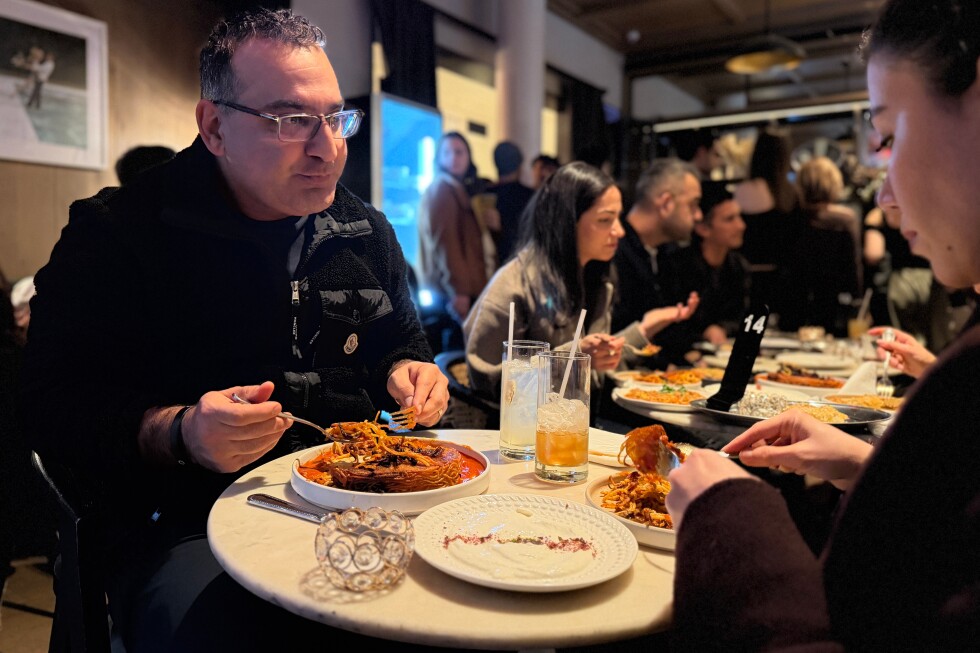
“Nowruz for me this year signifies a chance to see my beautiful homeland,” said Kayvon Pourmirzaie, who traveled from Philadelphia to attend a Persian pop-up dinner in Manhattan. “Even more important, I’m excited for the world to see the beauty of Iran. Nobody wants war, but this is a very strong feeling for me.”
The U.S.-Israel war with Iran has created profound emotional dissonance within the Iranian American community. Many experience simultaneous joy at the possibility of regime change, fear for loved ones still in Iran, anger at what some view as poor military planning, and guilt over their relative safety in America.
Nowruz traditionally marks renewal and hope, featuring elaborate meals with symbolic spring dishes like kuku sabzi, a herb-rich frittata. But this year’s celebration has been dramatically altered across the United States. In Boston, the Iranian Association canceled all festivities that normally draw thousands. “We want to respect the people,” explained association president Saeed Shafiyan Rad. “We just want peace and prosperity for the Iranian people.”
For some, continuing Nowruz traditions represents cultural resistance. Hedi Yousefi, who organizes the Norooz Bazaar in New York City, proceeded with her event despite receiving threats from those who felt celebrations were inappropriate.
“For me, this is an act of resistance against the regime,” said Yousefi, who immigrated from Tehran 13 years ago. “My grandfather always said the regime would like nothing more than to stop Nowruz.”
The conflict has also prompted younger Iranian Americans to reconnect with their cultural heritage. Social media influencer Omid Afshar has been cooking more traditional recipes in preparation for the holiday. “Cooking Persian food has become a way to reconnect with our culture,” said Afshar, who profiles Persian restaurants on Instagram. “For a long time growing up in America, I felt like I had to make that part of myself smaller so I could fit in.”
Not everyone feels comfortable celebrating, however. Persis Karim, former director of the Center for Iranian Diaspora Studies at San Francisco State University, finds it difficult to embrace Nowruz amid the current circumstances. “I’m not comfortable celebrating a tradition I love because I’m so appalled by what is happening to my family in Iran,” Karim said. “Of course I wish for a change of regime. But it should come from within Iran, not from bombs from the United States.”
Restaurant owner Nasim Alikhani initially contemplated canceling festivities at her Brooklyn Persian restaurant, Sofreh, before deciding otherwise. “Iran has been invaded throughout history… And yet Iranians kept the tradition of Nowruz alive,” she explained. “I will not allow this unjust war and this aggression to win. Instead of singing and dancing around the table, maybe we will pray for peace and hold hands with our guests. But the food will absolutely be there, because there is no gathering without food.”
The conflict has significantly affected Persian restaurants and shops, which typically experience their busiest season during Nowruz. Business patterns now follow news cycles, particularly in Los Angeles, home to America’s largest Iranian community.
“When the war started, we had a spike. When the supreme leader of Iran was said to be dead, we had a spike,” said Farinaz Pirshirazi, co-owner of Toranj restaurant in Los Angeles. “Whoever came in had the biggest smile on their face, and they were crying a little bit out of joy.”
Some traditional practices have taken on new meaning. Halva, a sweet typically served during mourning, has been prepared by many Iranian Americans following the death of Supreme Leader Ali Khamenei—but with a different sentiment.
“It was a sarcastic way of sharing the joy and happiness,” Pirshirazi noted. “Usually halva is something that they do at funerals, when you’re sad. But in this particular situation, it was very sarcastic, because it was a sign of joy.”
Community gatherings continue to provide essential emotional support. Anais Dersi, who organized pop-up dinners in New York featuring creative takes on traditional dishes like tahdig, found her events quickly selling out as people sought connection.
“The idea was bringing the community together over something. Giving people a place to mourn, to feel distraught, or whatever they were feeling,” she said. “As a first-generation American, food is a tether to my culture. I can’t always connect through politics or language, but the food feels like mine. And it feels like it belongs to others too. It’s a great unifier.”
Fact Checker
Verify the accuracy of this article using The Disinformation Commission analysis and real-time sources.

10 Comments
Fascinating to see how the Iranian-American community is navigating this complex situation during Nowruz. The desire for change in Iran mixed with concern for loved ones and guilt over their relative safety speaks to the deep emotions involved.
I agree, it must be an incredibly challenging time to celebrate such an important cultural holiday. The geopolitical tensions add an extra layer of complexity.
The symbolic dishes of Nowruz taking on new meaning during wartime – it’s a poignant reminder of how food and cultural traditions can reflect the realities of the world around us.
Absolutely, food has such a powerful way of connecting us to our heritage and history. I’m interested to see how the Nowruz celebrations evolve this year given the circumstances.
Interesting to see how the Nowruz celebrations are being ‘dramatically altered’ by the U.S.-Israel war with Iran. Food and cultural traditions often serve as a touchstone during times of upheaval.
The article raises important questions about how to honor cultural heritage and traditions during wartime. There’s no easy answer, but the Iranian-American community’s grappling with these dilemmas is thought-provoking.
Absolutely. Preserving cultural identity and community is so crucial, even as the global landscape shifts. It will be fascinating to see how Nowruz celebrations evolve in response to the current crisis.
While the conflict in Iran is deeply concerning, it’s heartening to see the Iranian-American community come together to honor their cultural traditions. Maintaining these connections must provide comfort and resilience during uncertain times.
The article highlights the complex emotions Iranian Americans are experiencing – a mix of hope, fear, anger and guilt. It’s a powerful reminder of the human toll of geopolitical tensions.
Yes, these personal perspectives really humanize the broader conflict. It’s important to recognize the very real impact on individuals and communities.