


Listen to the article
Vineyard Wind, the developer of a major Massachusetts offshore wind farm, has filed a lawsuit against GE Renewables in an effort to prevent the turbine manufacturer from abandoning the project. The legal action, filed Wednesday in Massachusetts, comes after GE Vernova, the parent company of GE Renewables, announced plans to terminate its contracts for turbine services and maintenance at the end of April.
The dispute centers on significant financial claims from both parties. GE Vernova alleges that Vineyard Wind owes approximately $300 million for completed work. Meanwhile, Vineyard Wind contends that the manufacturer remains responsible for roughly $545 million in damages resulting from a catastrophic turbine blade collapse in July 2024 and the subsequent project delays.
The blade failure had immediate environmental and economic consequences for the region. Fiberglass fragments washed onto Nantucket beaches during the peak tourist season last summer, prompting GE Vernova to agree to a $10.5 million settlement to compensate island businesses for lost revenue.
According to court documents, Vineyard Wind claims the project has already been “significantly damaged by GE Renewable’s inexcusably poor performance,” and allowing the contractor to withdraw now would cause irreparable harm. The developer maintains that GE Renewables is the only company capable of completing the remaining work, making it virtually impossible to find another turbine supplier willing to take over.
“The lawsuit is meant to ensure that GE Renewables fulfills its obligations to the project and to the people of Massachusetts and New England who are relying on the significant power and economic benefits this project is already providing,” said Craig Gilvarg, spokesman for Vineyard Wind. He noted that the project is expected to deliver $3.7 billion in savings to electric customers over its operational lifetime.
GE Vernova has defended its position, stating that it is “exercising its right to terminate agreements for nonpayment for work performed.” The company added, “We remain committed to the safety of the wind farm and stand by our performance and our contractual obligations. We will vigorously defend our position through the appropriate legal process.”
The conflict emerges at a critical juncture for the project. Construction on Vineyard Wind was completed in March, marking it as the first major offshore wind development to reach this milestone during the Biden administration. Although the facility has been providing power to the grid for over a year as turbines were progressively installed, it is only expected to reach full operational capacity in the coming months.
Technical issues appear to be at the core of the blade failure. GE Vernova has attributed the incident to “insufficient bonding at one of its factories in Canada” rather than a fundamental design flaw. The malfunction necessitated the removal and replacement of 68 of the 72 blades that had been installed at the time, which Vineyard Wind claims delayed the project by nearly two years.
The technical problems have provided ammunition for critics of offshore wind development. The Trump administration has been particularly vocal in its criticism of the project following the blade failure. In a controversial move days before Christmas, the administration halted construction on five major East Coast offshore wind projects, including Vineyard Wind, citing national security concerns. This decision prompted legal challenges from developers and states, with federal judges ultimately allowing all five projects to resume construction after concluding that the government failed to demonstrate an imminent national security risk.
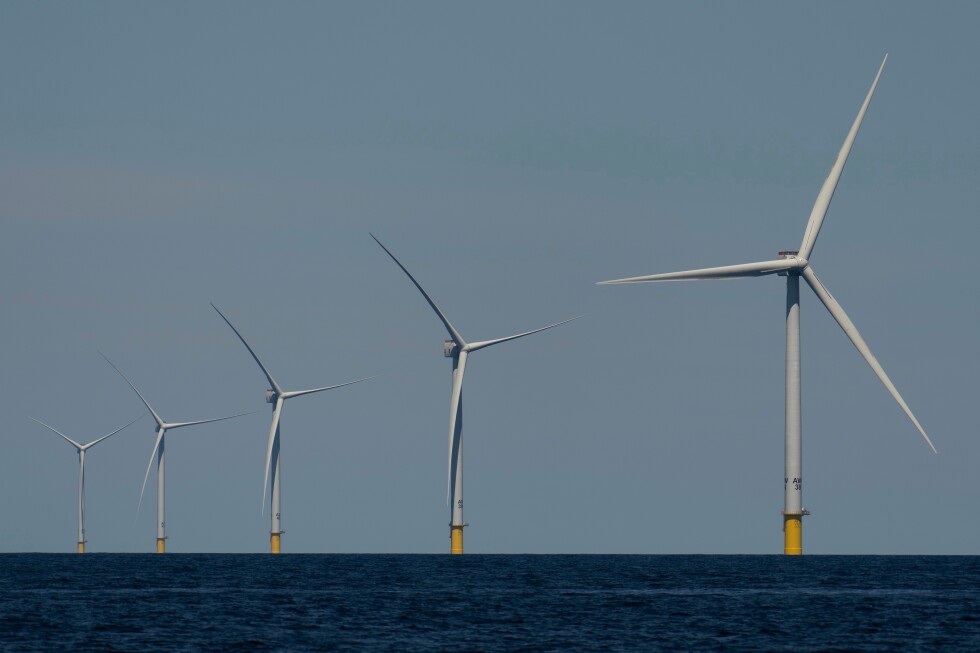
Vineyard Wind, a joint venture between Avangrid and Copenhagen Infrastructure Partners, is located 15 miles south of Martha’s Vineyard and Nantucket. When fully operational, its 62 turbines will generate 800 megawatts of electricity, enough to power approximately 400,000 homes.
A hearing on the lawsuit is scheduled for Thursday, as both parties prepare to defend their positions in what could become a landmark case for the nascent U.S. offshore wind industry.
Fact Checker
Verify the accuracy of this article using The Disinformation Commission analysis and real-time sources.

14 Comments
This is an interesting legal dispute between the wind farm developer and the turbine manufacturer. It highlights the complex technical and financial challenges of building large-scale offshore wind projects. I’m curious to see how the courts will resolve the competing claims over damages and financial responsibility.
The blade failure incident sounds like it had significant environmental and economic impacts on the local community. Hopefully the courts can find a fair resolution that compensates affected businesses and mitigates future risks.
Offshore wind is a critical part of the clean energy transition, but it comes with unique engineering and logistical hurdles. This dispute over the Massachusetts wind farm underscores the importance of robust contracts and risk allocation between developers and suppliers.
While the details are complex, the core issue seems to be around who should bear financial responsibility for the turbine failure and resulting delays. Resolving this will set an important precedent for the industry.
This dispute underscores the complexity of large-scale renewable energy infrastructure projects. Clearly there are significant technical and financial risks that need to be carefully managed between developers, suppliers, and the broader community. It will be interesting to see how the courts resolve the competing claims.
The environmental damage and economic disruption from the turbine failure seem concerning. Hopefully the eventual resolution can help prevent similar incidents in the future and restore confidence in offshore wind as a reliable clean energy source.
While the details of this case are complex, it’s clear that large-scale renewable energy infrastructure projects come with inherent technical and financial risks. Effective contract management, supply chain oversight, and stakeholder engagement will be critical as the offshore wind industry continues to grow.
The environmental and economic consequences of the turbine failure underscore the importance of rigorous quality assurance and risk mitigation strategies. I hope the courts can find a balanced solution that protects the project’s long-term viability while also addressing the very real harm caused to the local community.
As someone who follows the renewable energy space, I’m not surprised to see this kind of legal clash between a wind farm developer and a major turbine supplier. These are high-stakes, technical projects with lots of moving parts. Careful contract negotiation and risk management are essential.
The environmental and economic impacts of the turbine failure highlight the importance of quality assurance and risk mitigation strategies for offshore wind projects. I hope the courts can find a balanced solution that protects the project’s long-term viability.
As the offshore wind industry continues to scale up, disputes like this one between Vineyard Wind and GE Renewables will likely become more common. Clear contracts, robust quality control, and fair risk allocation will be crucial to delivering these large, complex projects successfully.
The financial claims from both sides suggest this is a high-stakes battle. I’m curious to see if the courts can find a compromise that protects the project’s long-term viability while also compensating for the very real environmental and economic harm caused by the turbine failure.
Offshore wind holds tremendous potential as a renewable energy source, but the technical challenges are significant. This legal dispute highlights the need for strong partnerships, rigorous quality control, and clear risk allocation between developers, suppliers, and regulators.
The impacts on the local community from the turbine failure are concerning. Hopefully the eventual resolution will include measures to support affected businesses and restore the coastal environment. Rebuilding trust in the project’s reliability will be crucial.