


Listen to the article
Financial Markets Navigate Cautiously After Iran Ceasefire Optimism
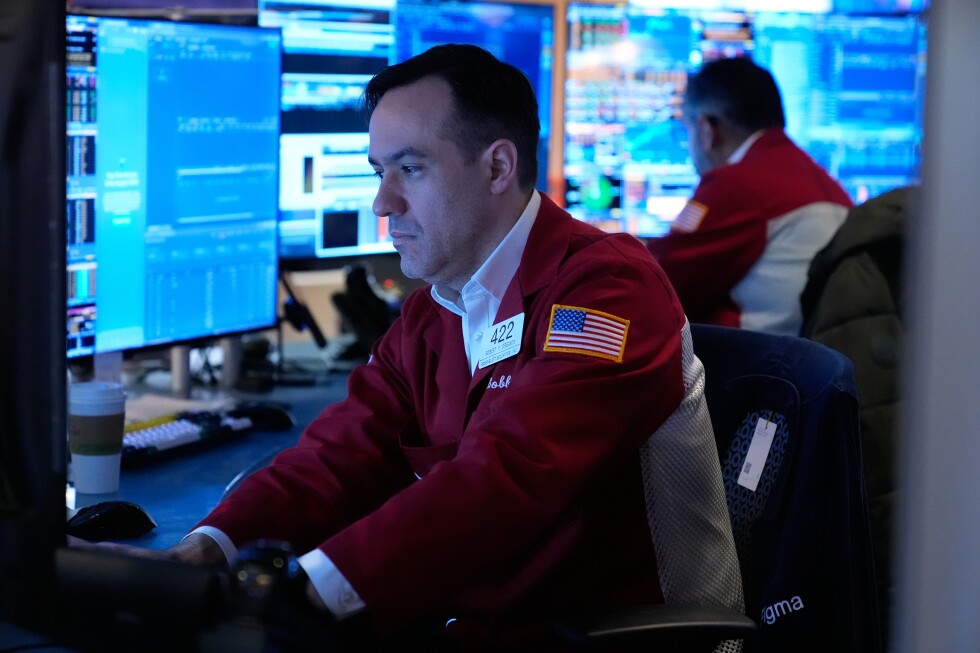
Financial markets moved with caution Thursday as investors processed developments following Wednesday’s surge on optimism about a ceasefire in the Israel-Iran conflict. U.S. stocks climbed despite rising oil prices, showcasing the complex interplay between geopolitical tensions and market sentiment.
The trading day began with modest losses on Wall Street, following downward trends across Asia and Europe. However, the S&P 500 erased early declines and rose 0.5% by midday after Israel announced it would begin direct negotiations with Lebanon “as soon as possible.” This development calmed concerns that the recently announced two-week ceasefire could be jeopardized by Israel’s military actions in Lebanon.
Both the Dow Jones Industrial Average and the Nasdaq composite followed similar patterns, recovering from early losses to post gains of 0.5% and 0.7% respectively by early afternoon Eastern time.
Oil markets remained volatile as Iranian semiofficial news agencies suggested forces have mined the Strait of Hormuz, a critical waterway that has been central to U.S.-Iran tensions. The strategically important strait serves as a vital shipping channel, and any blockage would prevent oil and natural gas from reaching global markets.
U.S. benchmark crude rose 4% to $98.18 per barrel, while Brent crude, the international standard, added 1.1% to reach $95.79. Though below the recent peak of $119 seen when war concerns were at their height, prices remain significantly higher than the approximately $70 level before the conflict began.
Analysts at Macquarie, led by Thierry Wizman, suggest that upward pressure on oil prices may persist given the substantial differences between U.S. and Iranian demands. The risk of renewed fighting could prompt worldwide customers to hoard oil supplies, potentially keeping additional oil off the market and maintaining price pressures.
Corporate earnings provided some bright spots in Thursday’s market. Constellation Brands climbed 6.5% after reporting quarterly results that exceeded analyst expectations. The company, known for Modelo beer and Robert Mondavi wines, indicated encouraging trends heading into its new fiscal year, though it withdrew longer-term financial guidance citing “limited near-term visibility.”
In the technology sector, CoreWeave rallied 4.3% after announcing an expanded $21 billion deal with Meta Platforms to provide AI cloud capacity through December 2032. Meta shares rose 3.8% on the news.
Not all companies fared well. Simply Good Foods plunged 19.5% after reporting a steeper revenue decline than analysts had anticipated. CEO Joe Scalzo described the results as unsatisfactory and promised immediate changes to improve performance for the company behind Quest and Atkins brands.
Economic data released Thursday painted a mixed picture of the U.S. economy. The Federal Reserve’s preferred inflation measure showed February prices running slightly hotter than economists expected. While inflation had decelerated before the Iran conflict began, the improvement was less than anticipated.
Labor market data raised additional concerns, with weekly unemployment claims exceeding economist forecasts. Though not alarming by historical standards, the increase could signal an acceleration in layoffs across the economy.
The bond market responded cautiously to these developments, with the 10-year Treasury yield edging down slightly to 4.27% from 4.29% the previous day. However, yields remain significantly higher than their 3.97% level before the conflict, which has pushed up rates for mortgages and other consumer loans.
Persistent high oil prices could complicate the Federal Reserve’s monetary policy decisions. If inflation remains elevated due to energy costs, the central bank may struggle to resume interest rate cuts despite signs of economic slowing. Minutes from the Fed’s latest meeting revealed a growing number of officials considering the possibility of rate increases rather than cuts.
Global markets broadly reflected similar caution, with South Korea’s Kospi falling 1.6% and Germany’s DAX losing 1.1%, representing some of the day’s largest international market moves.
Fact Checker
Verify the accuracy of this article using The Disinformation Commission analysis and real-time sources.

8 Comments
This is a great example of how quickly market sentiment can shift based on geopolitical news. The initial optimism around the ceasefire seems to have given way to more cautious trading as investors assess the potential for continued volatility in the region.
The markets seem to be taking a ‘wait and see’ approach to the US-Iran ceasefire, with investors remaining cautious until there’s more certainty around the negotiations. The potential for disruptions in the Strait of Hormuz is keeping oil prices elevated.
You’re right, the markets are very sensitive to geopolitical developments in the Middle East, especially when it comes to critical energy infrastructure like the Strait of Hormuz. Investors will be closely monitoring any developments that could impact global oil supply and prices.
It’s fascinating to see how quickly market sentiment can shift based on geopolitical developments, even temporary ones like this ceasefire announcement. The interplay between energy, commodities, and equities is always fascinating to observe.
The uncertainty around the US-Iran ceasefire is creating a lot of market volatility, as we’re seeing with the swings in US stocks and oil prices. Investors seem cautious about getting too optimistic until there’s more clarity on the situation.
Agreed, the markets are treading carefully given the complex geopolitical dynamics at play. The potential for disruption in the Strait of Hormuz is a major concern that could continue to drive oil price swings.
Interesting to see the complex interplay between geopolitics and market sentiment. The ceasefire announcement seems to have helped calm investor concerns, leading to a partial recovery in US stocks. However, the ongoing tensions in the Strait of Hormuz remain a source of volatility.
You’re right, the markets are navigating a delicate balance here. Investors will be closely watching how the ceasefire negotiations progress and whether it can lead to a more lasting de-escalation of tensions.