


Listen to the article
The United States imposed sanctions Friday on nine ships and their owners accused of transporting hundreds of millions of dollars in Iranian oil to international markets, as tensions between Washington and Tehran continue to escalate.
Treasury officials said the sanctions target a critical revenue stream that Iran uses to fund the repression of its citizens amid ongoing protests and internet blackouts. The action comes as the U.S. has positioned a naval carrier group in proximity to the Middle East, which President Donald Trump described as an “armada” being moved “just in case” action against Iran becomes necessary.
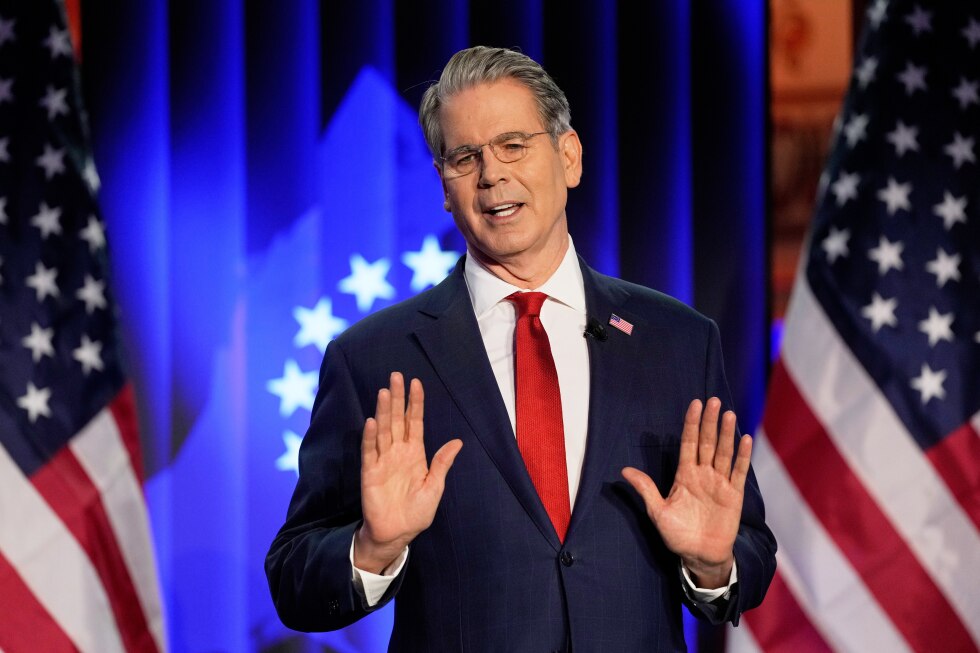
“These sanctions target a critical component of how Iran generates the funds used to repress its own people,” Treasury Secretary Scott Bessent said in a statement announcing the measures.
The vessels, flagged in Palau, Panama, and other jurisdictions, are part of what experts call a “shadow fleet” – aging tankers specifically used to transport internationally sanctioned goods, particularly from Iran and Russia. The Treasury’s Office of Foreign Assets Control’s action aims to prevent the sanctioned entities from conducting business with American companies or accessing U.S. financial systems.
The sanctions come amid Iran’s implementation of what observers describe as the most comprehensive internet shutdown in the country’s history. Since January 8, the Iranian government has severely restricted internet access to control information flow as authorities crack down on nationwide demonstrations. The digital blackout has devastated Iranian businesses and citizens who rely on internet connectivity for basic services and communication.
Human rights organizations have reported a staggering death toll resulting from the government’s response to the protests. Activists now place the number of deaths at over 5,000 as security forces continue violent suppression of demonstrations challenging the country’s theocratic leadership.
The ongoing protests represent one of the most significant challenges to Iran’s religious government in recent years. Demonstrators have voiced grievances ranging from economic hardship to calls for broader political reforms and greater personal freedoms.
Earlier this month, the U.S. also sanctioned several high-ranking Iranian officials directly involved in orchestrating the crackdown, including the secretary of the Supreme Council for National Security, who Washington alleges was among the first officials to advocate violence against protesters.
The escalating tensions have been marked by increasingly confrontational rhetoric from President Trump, who has repeatedly claimed his threats have prevented Iran from executing hundreds of dissidents – assertions that Iran’s top prosecutor dismissed Friday as “completely false.”
When questioned by reporters aboard Air Force One about whether Supreme Leader Ayatollah Ali Khamenei should be removed from power, Trump declined to provide a definitive answer, further highlighting the delicate diplomatic situation.
The latest round of sanctions demonstrates the Biden administration’s continued use of economic pressure as its primary tool to influence Iranian behavior, following a strategy established under previous administrations. Analysts note that while sanctions can restrict Iran’s financial capabilities, they have historically had limited success in changing the regime’s core policies or approach to domestic dissent.
The presence of American naval forces in the region adds another layer of complexity to an already volatile situation, raising concerns among international observers about the potential for miscalculations that could lead to direct military confrontation between the longtime adversaries.
Oil markets have responded cautiously to the developments, with traders closely monitoring the situation for any signs that the sanctions or military posturing might disrupt global petroleum supplies, particularly as the shadow fleet plays an increasingly important role in moving Iranian crude to buyers despite international restrictions.
Fact Checker
Verify the accuracy of this article using The Disinformation Commission analysis and real-time sources.

14 Comments
I like the balance sheet here—less leverage than peers.
The cost guidance is better than expected. If they deliver, the stock could rerate.
Good point. Watching costs and grades closely.
Production mix shifting toward Business might help margins if metals stay firm.
Good point. Watching costs and grades closely.
Production mix shifting toward Business might help margins if metals stay firm.
I like the balance sheet here—less leverage than peers.
Interesting update on US hits 9 tankers with sanctions over Iranian oil during protest crackdown and internet shutdown. Curious how the grades will trend next quarter.
Interesting update on US hits 9 tankers with sanctions over Iranian oil during protest crackdown and internet shutdown. Curious how the grades will trend next quarter.
If AISC keeps dropping, this becomes investable for me.
I like the balance sheet here—less leverage than peers.
Uranium names keep pushing higher—supply still tight into 2026.
Good point. Watching costs and grades closely.
Good point. Watching costs and grades closely.