


Listen to the article
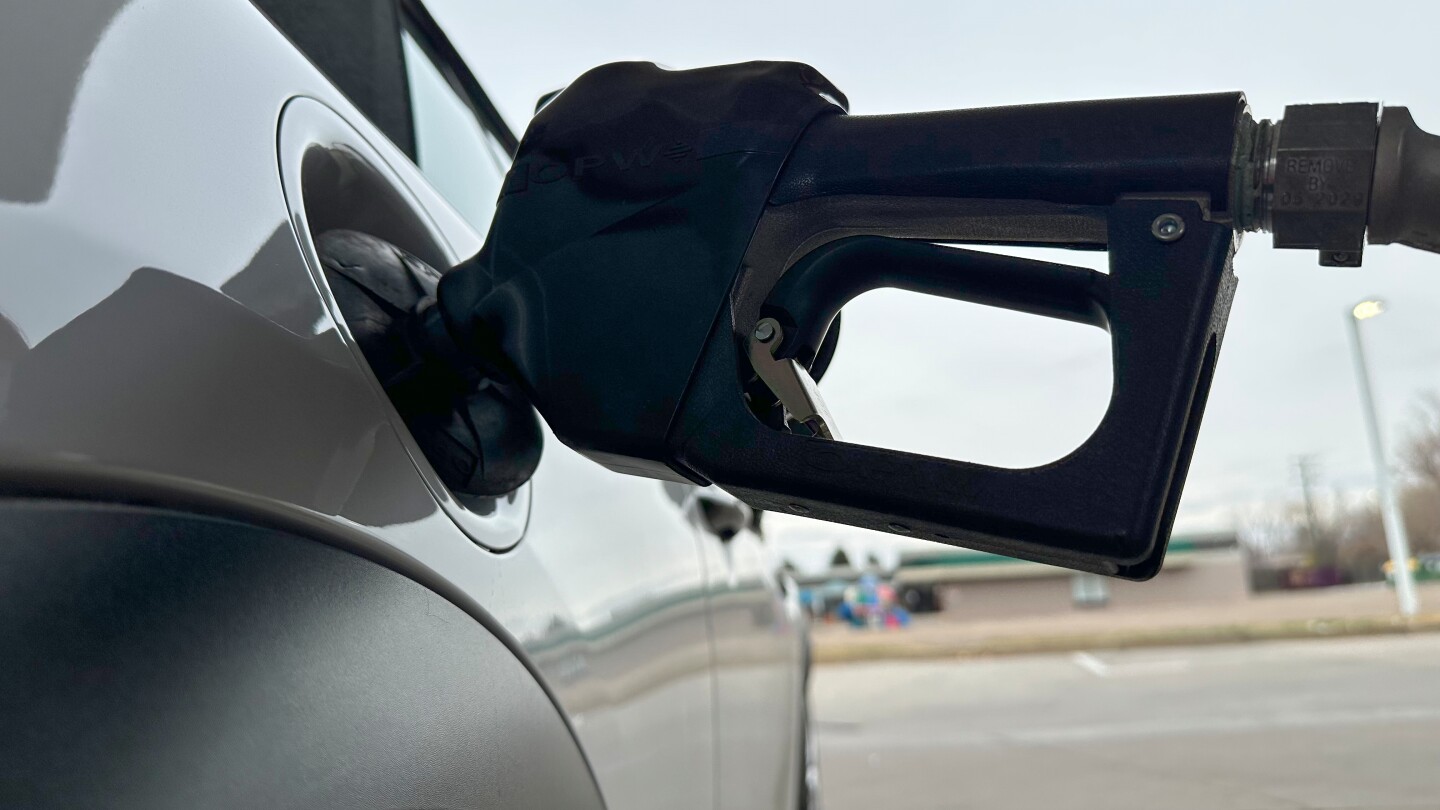
U.S. drivers are enjoying a welcome relief at gas pumps this holiday season, with December marking the cheapest month for fuel prices in 2023. According to data from motor club AAA, the national average for unleaded gasoline has remained below $3 per gallon since December 2, reaching its lowest point of approximately $2.85 per gallon on Monday.
The price has risen slightly to $2.86 per gallon as of Tuesday, but travelers hitting the road for Christmas celebrations can still expect relatively affordable fuel costs compared to previous months.
Significant regional price differences persist across the country due to various factors including proximity to refineries and local fuel regulations. Hawaii currently leads the nation with the highest average price at $4.44 per gallon, followed by California at $4.30 and Washington at $3.92. On the opposite end of the spectrum, Oklahoma offers the lowest average at $2.30 per gallon, with Arkansas and Iowa both at approximately $2.42.
Nationwide, unleaded gasoline prices have dropped more than 18 cents compared to the same period last year and 21 cents from just one month ago. AAA reports that this December represents the cheapest for gas prices since 2020, when the COVID-19 pandemic severely disrupted economic activity and travel patterns.
The organization attributes this month’s lower prices to robust fuel supply chains. Additionally, crude oil—the primary component of gasoline—has maintained relatively moderate price levels, with West Texas Intermediate crude staying below $60 per barrel throughout most of December.
This decrease in fuel costs comes as a timely benefit for American consumers who continue to face elevated prices in other sectors of the economy. Many households report struggling with the costs of groceries and holiday purchases amid persistent inflation concerns and potential price increases linked to President Donald Trump’s newly implemented tariffs on imported goods.
While government data indicated that consumer prices showed signs of cooling in November, increasing just 2.7% year-over-year, inflation remains above the Federal Reserve’s target rate of 2%. Economists have cautioned that last month’s figures should be viewed with skepticism, as they may have been affected by delays and possible distortions resulting from the recent 43-day federal government shutdown.
The economic mood among Americans continues to reflect anxiety about living costs and job security. The Conference Board reported on Tuesday that its consumer confidence index declined in December, reaching its lowest level since April, highlighting ongoing concerns about financial stability despite the relief at the gas pump.
For holiday travelers, the lower fuel prices offer a silver lining during an otherwise financially challenging season. Industry analysts suggest the trend of moderate gas prices could extend into early 2024, barring any major disruptions to global oil markets or domestic refinery operations.
The current national average of $2.86 per gallon represents a significant decrease from summer driving season peaks, when prices in many parts of the country surpassed $3.50 per gallon. The timing of this price decline coincides with increased travel demand, as AAA expects nearly 104 million Americans to journey more than 50 miles from home during the Christmas and New Year’s holiday period.
Energy market experts note that the combination of increased domestic oil production, stable international crude prices, and seasonal adjustments in fuel formulations have all contributed to the favorable pricing environment for consumers as 2023 draws to a close.
Fact Checker
Verify the accuracy of this article using The Disinformation Commission analysis and real-time sources.

7 Comments
The regional price differences are quite stark. I’d love to understand more about the factors behind the higher prices in places like Hawaii and California versus the lower prices in the Midwest. Does it come down to taxes, proximity to refineries, or something else?
Interesting to see gas prices come down ahead of the holidays. I wonder if this will have any impact on consumer spending and travel plans. It’s always good to see relief at the pump for drivers.
It’s good to see some relief for drivers, but I wonder if this is just a temporary dip or part of a longer-term trend. The volatility in global energy markets makes it hard to predict future price movements.
I’m a bit skeptical that these lower gas prices will last. It seems like they often spike up again after a brief period of relief. But I hope this proves to be a more lasting trend that provides some economic benefits for consumers.
Lower gas prices could be a nice boost for the economy, especially for holiday shopping and travel. It will be fascinating to see if this trend continues into the new year or if prices start to creep back up again.
Cheaper gas is always welcome, especially around the holidays when people are doing more driving. But you’re right, it remains to be seen if this is just a temporary dip or a more sustained trend. The energy market is so volatile and unpredictable.
I’m curious to see how this drop in gas prices might impact the mining and energy sectors. Could it affect demand or investment in certain commodities like oil, natural gas, or even battery metals?