


Listen to the article
Homeland Security Secretary Markwayne Mullin is reviewing a controversial plan to convert warehouses across the United States into detention facilities for immigrants, a program that has already consumed over $1 billion in federal funding.
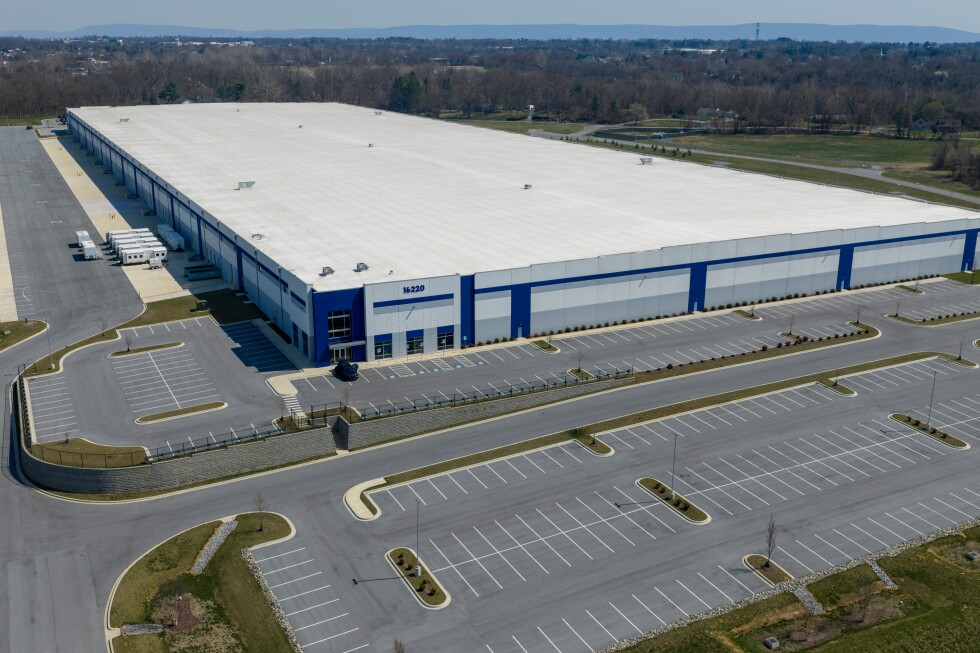
The Department of Homeland Security has spent $1.074 billion to purchase 11 warehouses nationwide, but the initiative has faced significant opposition in nearly every targeted community. Shortly after taking office, Mullin paused the acquisition of additional warehouses and launched a review of all contracts signed under his predecessor, former Secretary Kristi Noem.
The warehouse plan, intended to expand immigration detention capacity by tens of thousands of beds, has triggered lawsuits, local restrictions, and community protests across multiple states. Many local officials claim they were blindsided by these purchases, with no prior consultation from federal authorities.
In Arizona, state Attorney General Kris Mayes reported that officials in Surprise learned nothing about ICE’s $70 million purchase of a 418,000-square-foot warehouse before it happened. While initial DHS documents indicated plans for a processing center with 1,000-1,500 daily capacity and renovation contracts worth at least $313.4 million, the department has since scaled back its ambitions. According to Mayor Kevin Sartor, DHS now envisions starting with 250 people weekly and capping occupied beds at 542.
Georgia has become a focal point of controversy with two major warehouse purchases. In Social Circle, ICE acquired a facility for $128.6 million that could potentially house between 7,500 and 10,000 detainees. The city, concerned about water supply limitations, took the extraordinary step of placing a lock on the warehouse’s water meter. DHS reportedly suggested trucking in drinking water and trucking out waste, a proposal that Georgia Democratic Senators Raphael Warnock and Jon Ossoff described as “unworkable.”
In Oakwood, Georgia, DHS purchased another warehouse for $68.2 million. City Manager B.R. White said he only learned of the deal when a warehouse supervisor informed a city inspector that the site needed to be cleared for its new federal owners.
Legal challenges have emerged in several states. In Maryland, ICE spent $102.4 million on a warehouse northwest of Baltimore and signed a contract worth at least $113 million for renovations. However, work has halted after the state’s attorney general filed a lawsuit. The facility has divided the local community, with county commissioners passing a resolution supporting ICE during a contentious public meeting.
Michigan and New Jersey have also seen legal action against these purchases. After DHS paid $34.7 million for a warehouse in Romulus, Michigan, both state and city officials sued, citing concerns about the facility’s location in a flood plain and insufficient sewage capacity. In New Jersey, following DHS’s $129.3 million purchase of a warehouse in Roxbury, local and state authorities filed suit alleging a complete lack of communication from federal officials.
Pennsylvania’s response illustrates how states are using regulatory powers to block these facilities. DHS purchased warehouses in Tremont Township ($119.5 million) and Upper Bern Township ($87.4 million), but Democratic Governor Josh Shapiro has vowed to fight the plans. The state’s Department of Environmental Protection has temporarily barred water and sewage services to these facilities.
In Utah, DHS acquired an 833,280-square-foot warehouse in Salt Lake City for $145.4 million without notifying local Democratic leaders or the state’s Republican governor or congressional delegation. Mayor Erin Mendenhall later learned from ICE officials that the facility would house between 7,500 and 10,000 people. In response, the city has moved to cap water usage at levels far below what would be required for a detention operation.
Public pressure has successfully derailed several proposed facilities. In Tennessee, New Hampshire, Oklahoma, Virginia, and parts of Minnesota, warehouse owners or federal officials abandoned plans following community backlash. In Missouri, development company Platform Ventures announced it would not proceed with selling a massive Kansas City warehouse after weeks of public pressure.
The warehouse program represents a significant shift in immigration detention strategy, moving toward larger consolidated facilities. However, the lack of coordination with state and local authorities has created friction across political lines, with both Republican and Democratic officials expressing concerns about infrastructure capacity, community impact, and the absence of meaningful consultation.
As Secretary Mullin continues his review, the fate of both existing purchases and future expansion remains uncertain, leaving communities across the country in limbo regarding facilities that could dramatically alter their local landscapes.
Fact Checker
Verify the accuracy of this article using The Disinformation Commission analysis and real-time sources.

8 Comments
This is a challenging situation, but I believe open communication and consideration of local perspectives are crucial. Dismissing community concerns risks further backlash and erodes public trust.
The $1 billion spent on these warehouses is a significant investment. I wonder if there have been thorough cost-benefit analyses and impact assessments conducted to justify this expansion of detention capacity.
Good point. Taxpayer money should be spent wisely, and the needs of both immigrants and local communities need to be carefully considered.
This is an interesting development. While the need for immigration processing facilities is understandable, it’s concerning to see a lack of consultation with local communities. Transparency and collaboration are important when planning such facilities.
I agree. The communities impacted should have a voice in the process. Blindsiding local officials is not the right approach.
While immigration is a complex and sensitive issue, the lack of transparency and community engagement is troubling. I hope the review by the new Homeland Security Secretary leads to a more collaborative approach going forward.
It’s concerning to see lawsuits, local restrictions, and community protests arising in response to these detention center plans. This suggests there are significant concerns that need to be addressed.
Absolutely. The government should be responsive to these community concerns and work to find solutions that balance immigration policy with local interests.