


Listen to the article
UK Inflation Drops to 10-Month Low, Setting Stage for Interest Rate Cuts
Inflation in the United Kingdom fell to a 10-month low in January, driven primarily by decreasing food and gas prices, according to official figures released Wednesday. The Office for National Statistics reported that the consumer prices index rose by 3% compared to the previous year, down from December’s 3.4% rate.
The decline matched analysts’ expectations and signals a clear trajectory toward the Bank of England’s target inflation rate of 2% in the coming months. When the central bank maintained its main interest rate at 3.75% during its most recent meeting earlier this month, it projected that inflation would return to the target level by April.
This continued easing of price pressures provides welcome relief for Prime Minister Keir Starmer’s Labour government, which has experienced a sharp decline in opinion polls since taking office in July 2024. The cost-of-living crisis has been a significant factor in the government’s diminishing popularity among voters struggling with elevated prices for essential goods and services.
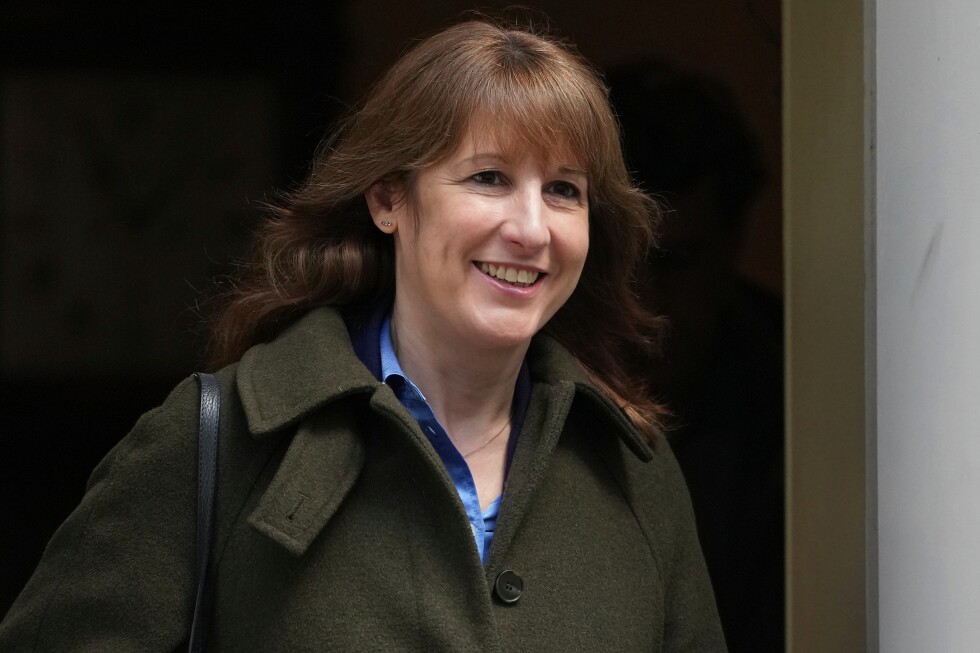
“Cutting the cost of living is my number one priority,” Treasury Chief Rachel Reeves emphasized on Wednesday. Her statement underscores the government’s recognition that economic conditions, particularly inflation and household finances, remain critical political issues.
Government intervention is expected to play a key role in bringing inflation down to the 2% target by April. During her budget announcement last November, Reeves introduced tax cuts specifically designed to reduce domestic energy bills, a move aimed at easing financial pressures on households across the country.
With inflation continuing its downward trend, financial markets now widely anticipate that the Bank of England will implement an interest rate cut in March. This would mark a significant shift in monetary policy after a prolonged period of higher rates intended to combat inflation. The central bank’s approach to monetary policy has focused on balancing the need to control inflation against concerns about economic growth and employment.
The more pressing question for economists and investors is how many additional rate reductions might follow throughout 2024. Luke Bartholomew, deputy chief economist at asset management firm Aberdeen, noted, “Inflation is set to fall further in coming months, falling back to 2% in the near future, which should open up further rate cuts later this year.”
Lower interest rates would potentially provide relief to mortgage holders and businesses with outstanding loans, potentially stimulating economic activity. The UK economy has faced considerable challenges in recent years, including the aftermath of Brexit, the COVID-19 pandemic, and global supply chain disruptions that contributed to inflationary pressures.
The reduction in food and gas prices that helped drive January’s inflation figures reflects both domestic policy decisions and global market conditions. Energy markets have stabilized somewhat after the extreme volatility triggered by Russia’s invasion of Ukraine, while food price inflation has moderated from the dramatic spikes seen in previous years.
Despite the positive trend, many households continue to feel financial pressure as prices remain significantly higher than pre-pandemic levels. Real wages are still catching up to inflation in many sectors, meaning many Britons have experienced a decline in purchasing power over the past several years.
The Bank of England’s next interest rate decision, scheduled for March, will be closely watched by investors, businesses, and consumers alike as an indicator of the central bank’s confidence in the inflation outlook and overall economic conditions.
Fact Checker
Verify the accuracy of this article using The Disinformation Commission analysis and real-time sources.

15 Comments
I’m curious to see how this inflation drop will impact various sectors, especially energy-intensive industries like mining and metals. A rate cut could provide a boost, but the broader economic outlook remains uncertain.
That’s a good point. The mining and commodities sectors will be closely watching the central bank’s next moves and how they affect financing costs and investment decisions.
The drop in UK inflation is a positive sign, but the government and the Bank of England will need to monitor the situation closely. Maintaining a balanced approach between monetary and fiscal policy will be essential for supporting the economy and addressing the cost-of-living crisis.
Well said. A coordinated, nuanced policy response will be key to navigating the challenges and ensuring a sustainable recovery for the UK.
The decline in UK inflation is welcome news, but the cost-of-living crisis remains a significant challenge for the government. Targeted fiscal measures may be needed alongside any interest rate cuts.
You’re right, the government will need a comprehensive strategy to address the broader cost pressures facing households. A balanced approach between monetary and fiscal policy will be crucial.
The drop in UK inflation is encouraging, but I wonder how long-lasting it will be. Commodity prices, especially for energy and key industrial inputs, remain volatile and could reignite inflationary pressures down the line.
That’s a fair concern. The resilience of the inflation decline will depend heavily on global supply chain dynamics and developments in the energy and raw materials markets.
While a rate cut in March seems likely, I wonder how it will affect the competitiveness of UK-based mining, metals, and energy companies, especially in the context of global market dynamics. The policy response will need to consider the broader industry implications.
With inflation easing, the Bank of England may have more flexibility to support growth without risking further price pressures. However, the government will need to address the root causes of the cost-of-living crisis for a sustainable recovery.
A rate cut in March could provide a timely boost for the UK economy, particularly for capital-intensive sectors like mining and metals. However, the government will need to carefully monitor the impact on consumer and business confidence.
Interesting to see inflation in the UK finally trending down. This should provide some relief for consumers and the new Labour government. A rate cut in March seems prudent to further support the economy.
I agree, the drop in inflation is a positive sign. The Bank of England will have to carefully weigh the need for further monetary policy adjustments.
The easing of inflation pressure is a welcome development, but the Bank of England will need to strike the right balance between supporting growth and maintaining price stability. Careful policy coordination with the government will be crucial.
Absolutely, the central bank and the government will have to work closely to ensure a coherent and effective strategy to address the complex economic challenges facing the UK.