


Listen to the article
Wall Street retreats from record highs as AI stocks falter, raising questions about sustainability of the tech boom.
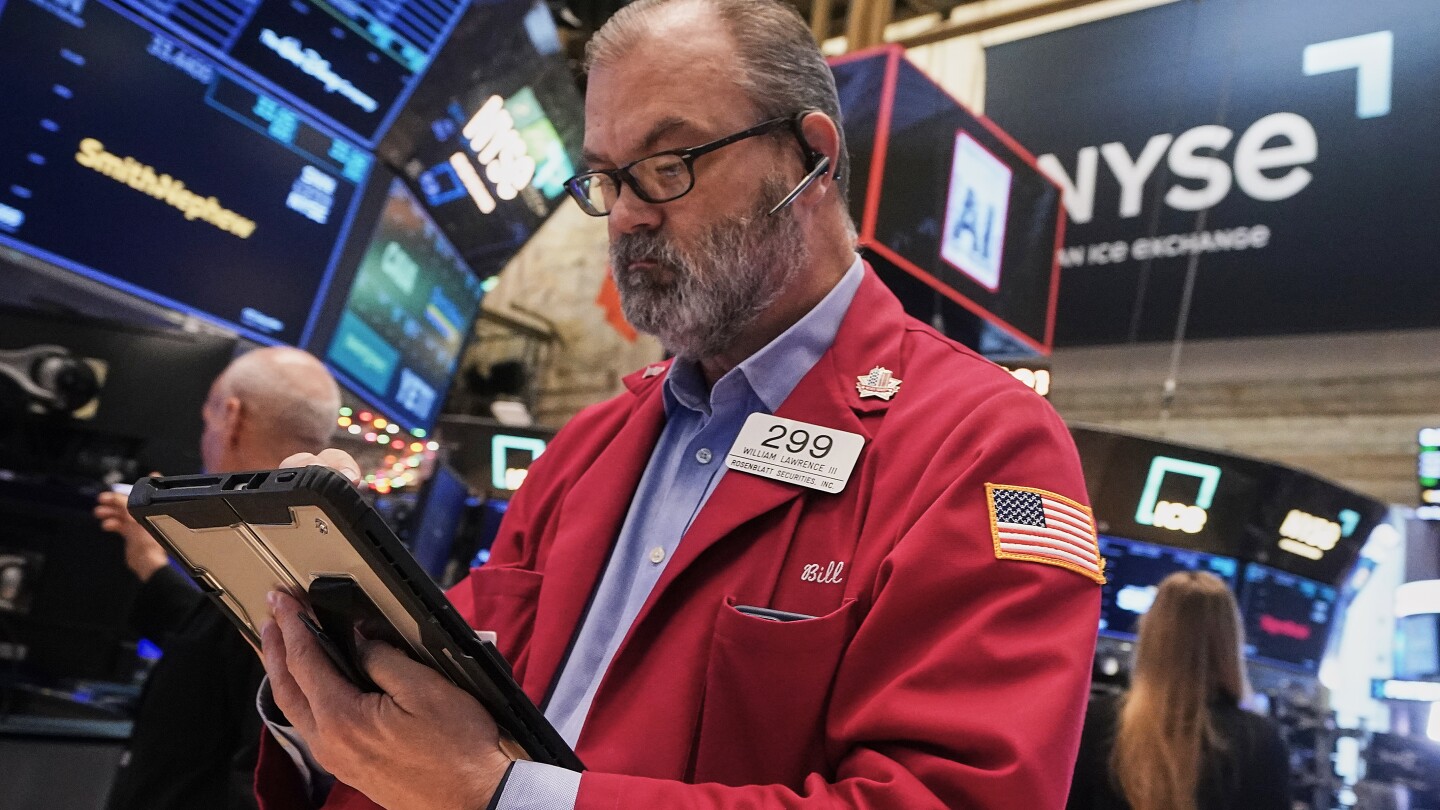
The S&P 500 fell 1.1% from its all-time high on Friday, marking its worst day in three weeks as major artificial intelligence stocks faced significant selling pressure. The tech-heavy Nasdaq composite dropped 1.7%, while the Dow Jones Industrial Average retreated 245 points, or 0.5%, after reaching its own record the previous day.
Chip manufacturer Broadcom emerged as the day’s biggest drag on markets, plunging 11.4% despite reporting quarterly profits that exceeded analyst expectations. The company highlighted impressive 74% growth in AI semiconductor revenue, but investors appeared concerned about aspects of its financial forecasts, particularly profit margin projections. Market observers noted that Broadcom may have simply run out of momentum after an extraordinary year-to-date gain of 75.3%, far outpacing the broader market.
The Broadcom selloff intensified worries about the AI sector that had surfaced a day earlier when Oracle tumbled nearly 11% following its own earnings report. Despite Oracle exceeding profit expectations, investors raised questions about whether the company’s significant AI investments would generate sufficient returns to justify the expenditure, along with concerns about financing these initiatives.
These developments highlight a growing skepticism surrounding the artificial intelligence industry, even as billions of dollars continue to flow into the sector. Nvidia, widely considered the face of the AI boom, fell 3.3% on Friday, while Oracle dropped an additional 4.5%.
The broader market also felt pressure from rising bond yields, with the 10-year Treasury yield climbing to 4.18% from 4.14%. Higher yields typically make stocks appear less attractive, particularly for companies with elevated valuations, as they offer investors alternative options for returns.
Friday’s decline continues a pattern of volatility for AI leaders that have been the primary engine of Wall Street’s gains earlier this year. Meanwhile, stocks that previously struggled amid economic uncertainty and Federal Reserve policy concerns have shown improvement. The Dow Jones Industrial Average, which has less technology exposure, rose 1% for the week, significantly outperforming the Nasdaq’s 1.6% decline.
Despite Friday’s yield increases, investor sentiment regarding interest rates remains generally optimistic. The Federal Reserve implemented its third rate cut of the year earlier this week and signaled another potential reduction in 2025. While Fed Chair Jerome Powell indicated rates might remain steady for a while, his comments were perceived as less restrictive than expected regarding future cuts.
Consumer-focused stocks showed relative strength on Friday, with two out of five S&P 500 companies posting gains. Easing oil prices could reduce consumer expenses, while hopes for continued interest rate cuts may support spending. Chipotle Mexican Grill rose 3.6%, McDonald’s climbed 2.3%, and Norwegian Cruise Line added 1.5%.
The S&P 500’s top performer was Lululemon Athletica, which surged 9.6% after beating profit and revenue expectations for the quarter ending November 2. The company also announced CEO Calvin McDonald would step down at the end of January following pressure to increase revenue.
By the closing bell, the S&P 500 had fallen 73.59 points to 6,827.41, the Dow Jones Industrial Average dropped 245.96 points to 48,458.05, and the Nasdaq composite slumped 398.69 points to 23,195.17.
Overseas markets showed mixed results, with European indices declining modestly while Asian markets finished stronger. Hong Kong stocks jumped 1.7%, and Tokyo’s market rose 1.4%.
The recent pullback in AI stocks highlights the market’s ongoing reassessment of the sector’s valuations and growth prospects. While artificial intelligence remains a transformative technology with substantial long-term potential, investors appear increasingly focused on whether companies can translate massive investments into sustainable profits. This shift in sentiment suggests a more discriminating approach to technology investments as the market navigates between innovation enthusiasm and financial reality.
Fact Checker
Verify the accuracy of this article using The Disinformation Commission analysis and real-time sources.

12 Comments
Production mix shifting toward Business might help margins if metals stay firm.
Uranium names keep pushing higher—supply still tight into 2026.
Good point. Watching costs and grades closely.
Good point. Watching costs and grades closely.
The cost guidance is better than expected. If they deliver, the stock could rerate.
Good point. Watching costs and grades closely.
Interesting update on Tumbling tech stocks drag Wall Street to its worst day in 3 weeks. Curious how the grades will trend next quarter.
Good point. Watching costs and grades closely.
I like the balance sheet here—less leverage than peers.
Good point. Watching costs and grades closely.
Uranium names keep pushing higher—supply still tight into 2026.
Uranium names keep pushing higher—supply still tight into 2026.