


Listen to the article
Tensions Escalate as Trump Issues Ultimatum to Iran Over Strait of Hormuz
President Donald Trump has issued a stark ultimatum to Iran, threatening to “obliterate” the country’s power plants if the Strait of Hormuz is not reopened within 48 hours. This dramatic escalation comes as the administration struggles to manage a growing crisis that has sent global oil prices soaring and raised concerns about potential war crimes.
The ultimatum, delivered while Trump spent the weekend in Florida, marks a significant shift in his approach to the conflict. In a 51-word social media post, largely written in capital letters, the president threatened to target “various power plants, starting with the biggest one first” if Iran fails to comply with his Monday deadline.
The aggressive threat has drawn sharp criticism from Democratic lawmakers. Senator Ed Markey of Massachusetts called it a potential “war crime,” while Senator Chris Murphy of Connecticut suggested the president has “lost control of the war and is panicking.” Legal experts note that targeting civilian infrastructure like power plants would likely violate international laws of armed conflict.
“He overestimated his ability to control the events once he unleashed this torrent of violence,” said Geoffrey Corn, a military law professor at Texas Tech University and retired Army lieutenant colonel. Corn described the evolving strategy as having a “ready, fire, aim” quality, noting that such attacks would be permissible only if military advantages clearly outweigh civilian harm—a high bar to clear.
The White House is already facing intense international backlash after a U.S. missile strike reportedly hit an Iranian elementary school, killing more than 165 people. This latest threat risks further isolating the United States diplomatically.
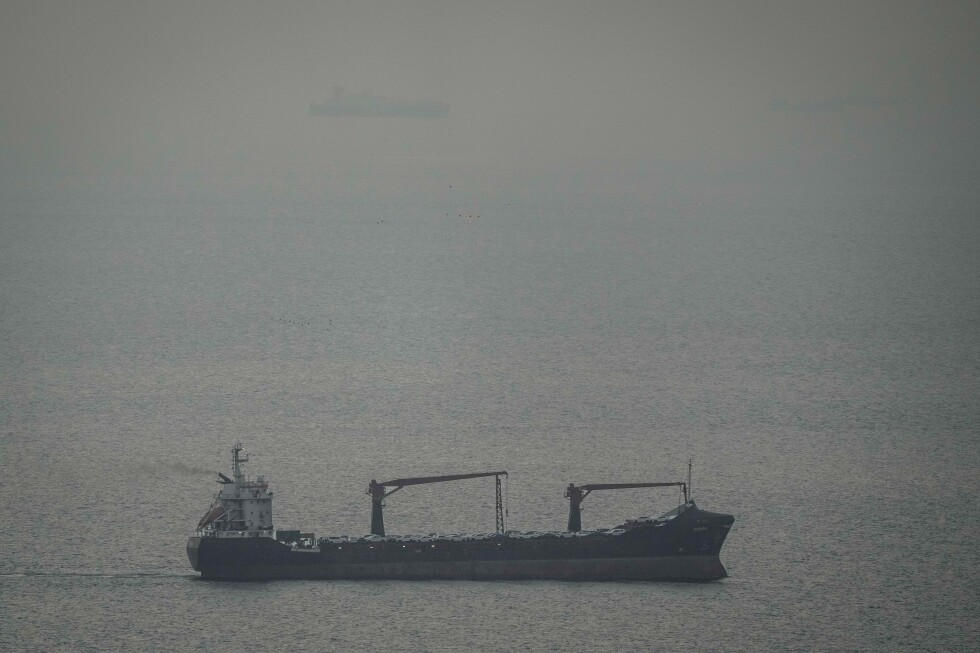
Trump’s administration has cycled through multiple approaches to resolve the crisis in recent days. Initially, he called for an international coalition to secure the strategic waterway, through which approximately 20% of global oil shipments pass. When allies declined to participate, Trump suggested the U.S. could handle it alone, before later indicating other countries would need to “take over” as America eyes an exit.
In a bid to ease soaring gas prices that are affecting American consumers months before crucial midterm elections, the Treasury Department on Friday lifted sanctions on some Iranian oil for the first time in decades. This followed similar temporary relief for certain Russian oil exports. The move aims to increase global supply, though questions remain about its effectiveness and the risk of Iran profiting from renewed sales.
Trump’s team has defended his approach. Mike Waltz, U.S. ambassador to the United Nations, told Fox News that Iran’s Revolutionary Guard controls much of the country’s infrastructure and is using it to power war efforts. “The president is not messing around,” Waltz said, citing “gas-fired thermal power plants and other types of plants” as potential targets.
NATO Secretary-General Mark Rutte, a close Trump ally, attempted to defuse tensions, expressing understanding of Trump’s anger while emphasizing that over 20 countries are working to implement the president’s vision of making the strait navigable again.
Meanwhile, Israel’s ambassador to Washington, Yechiel Leiter, cautioned against the all-out attack Trump threatened. “We want to leave everything in the country intact, so that the people who come after this regime are going to be able to rebuild and reconstitute,” he told CNN.
Republican Senator Thom Tillis of North Carolina acknowledged the complications of Trump’s shifting strategy, telling ABC’s “This Week” that “you can’t all of a sudden walk away after you’ve kind of created the event and expect other people to pick it up.”
The threat could ultimately prove counterproductive. Iranian leaders have already warned they would completely close the strait and retaliate against U.S. and Israeli infrastructure if Trump follows through on his ultimatum.
As global markets watch nervously, the standoff highlights the high-stakes nature of the conflict and the challenge of finding a diplomatic resolution that addresses both security concerns and economic impacts for nations dependent on the vital shipping lane.
Fact Checker
Verify the accuracy of this article using The Disinformation Commission analysis and real-time sources.

12 Comments
The president’s latest threat to target Iranian power plants if the Strait of Hormuz is not reopened is deeply troubling. Intentionally attacking civilian infrastructure would likely violate international law and risk further escalation. Cooler heads must prevail.
I share your concerns. Threatening to commit potential war crimes is an alarming and irresponsible escalation. The administration should work with allies to find a diplomatic solution that upholds international norms and preserves stability in the region.
While the situation in the Strait of Hormuz is complex, the president’s aggressive rhetoric and shifting strategies are raising valid questions about the administration’s preparedness and willingness to pursue measured, lawful responses. Cooler heads must prevail.
Absolutely. The lack of a coherent, consistent policy and the willingness to make such inflammatory threats are deeply concerning. Diplomacy and international cooperation will be crucial to de-escalating this crisis and finding a peaceful resolution.
This escalating tension over the Strait of Hormuz is concerning. Threatening to target power plants could be a dangerous escalation that risks civilian lives and violates international laws. Cooler heads must prevail to avoid potential war crimes.
I agree, this rhetoric seems overly aggressive and could further inflame the situation. Diplomatic solutions should be explored to de-escalate the crisis and reopen the Strait through negotiation, not military threats.
The shifting strategies and ultimatums from the Trump administration are raising valid questions about their preparedness for potential conflict. This unpredictable approach could have serious consequences for the region and global oil markets.
Absolutely, the lack of a coherent, consistent policy is concerning. Unilateral threats and actions without international coordination could backfire and lead to unforeseen escalations. Careful diplomacy is needed here.
While the Strait of Hormuz situation is undoubtedly complex, threatening to target civilian infrastructure like power plants is extremely troubling from a legal and humanitarian perspective. The administration should tread carefully to avoid potential war crimes.
I agree, the president’s rhetoric seems reckless and out of step with international laws of armed conflict. Cooler heads must prevail to find a diplomatic solution that preserves stability in the region and global energy markets.
Tensions in the Strait of Hormuz are certainly high, but the administration’s shifting strategies and aggressive ultimatums raise serious concerns. Threatening to target power plants could be considered a war crime and further inflame the situation.
Exactly. This type of brinkmanship is extremely dangerous and could have catastrophic consequences. The administration needs to pursue a more measured, diplomatic approach to resolve this crisis before it spirals out of control.