


Listen to the article
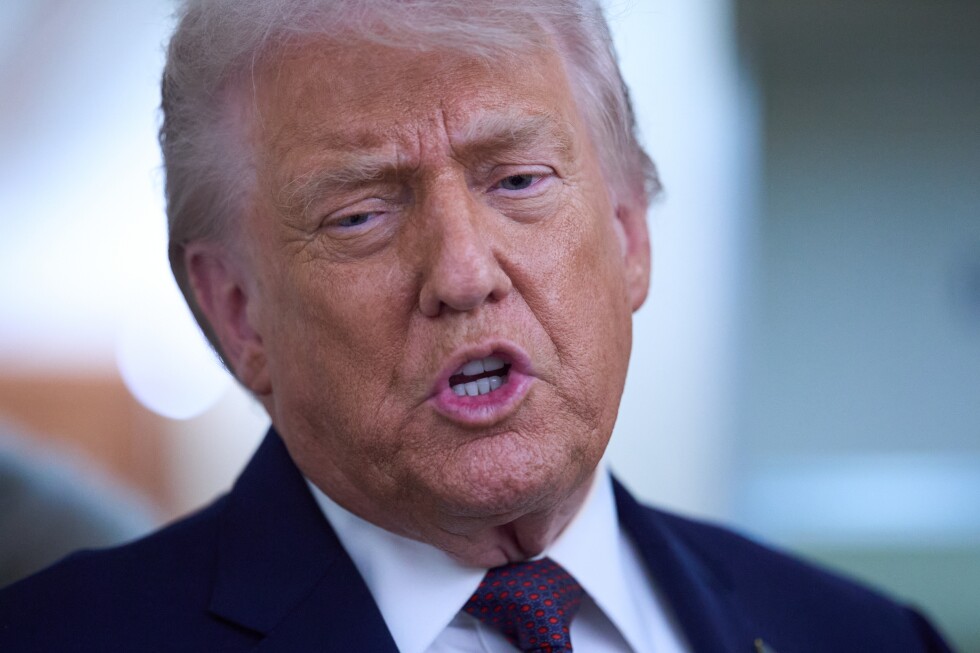
President Trump announced on Monday that he is raising tariffs on South Korean goods due to delays in the South Korean national assembly’s approval of a trade framework announced last year.
The president stated on social media that import taxes would increase on automobiles, lumber, and pharmaceutical drugs from South Korea, with rates on other goods jumping from 15% to 25%. While Trump previously imposed tariffs through an executive order declaring an economic emergency—bypassing Congressional approval—South Korea requires legislative approval for the trade framework that was announced in July and reaffirmed during Trump’s October visit to the country.
“Our Trade Deals are very important to America. In each of these Deals, we have acted swiftly to reduce our TARIFFS in line with the Transaction agreed to,” Trump said. “We, of course, expect our Trading Partners to do the same.”
This latest tariff announcement signals that the trade disruptions initiated by Trump last year are likely to continue throughout 2024, creating ongoing uncertainty for global markets and American consumers. The president has repeatedly used tariffs as leverage to pressure other nations into making concessions that align with his administration’s economic priorities.
The South Korean trade relationship has been particularly complex under the Trump administration. The president previously tied tariff reductions to commitments from South Korea to invest approximately $350 billion in the U.S. economy over several years, including initiatives to revitalize American shipbuilding industries. However, diplomatic tensions have occasionally surfaced, notably when immigration officials raided a Hyundai manufacturing facility in Georgia last year, resulting in the detention of 475 workers.
Monday’s announcement follows a pattern of Trump using tariffs as a negotiating tool with international partners. Just last week, the president threatened to impose tariffs on eight European nations unless the United States gained control over Greenland, though he later withdrew this ultimatum following discussions at the World Economic Forum in Davos, Switzerland. On Saturday, Trump threatened a 100% tax on Canadian goods if Canada proceeded with plans to strengthen trade relations with China.
Despite the president’s frequent assertions that his trade frameworks have attracted new investment to the United States, many of his highly publicized deals remain unfinalized. The European Parliament has yet to approve a trade agreement promoted by Trump that would impose a 15% tax on most goods produced by the EU’s 27 member states.
The United States is also positioned to renegotiate its amended 2020 trade agreement with Canada and Mexico this year. Additionally, there are ongoing Section 232 investigations under the 1962 Trade Expansion Act, and the Supreme Court is expected to rule on whether Trump exceeded his authority by declaring tariffs under the 1977 International Emergency Economic Powers Act.
Market analysts suggest that this pattern of tariff threats and trade disruptions could create significant challenges for global supply chains and potentially increase costs for American consumers. Industries particularly vulnerable to these South Korean tariffs include the automotive sector, construction, and healthcare, where imported pharmaceuticals play a significant role.
The increased tariffs on South Korean goods come at a time when international trade relations are already strained by geopolitical tensions and the lingering effects of pandemic-related supply chain disruptions. Economists warn that escalating trade conflicts could potentially slow global economic growth at a time when many countries are still working to fully recover from recent economic challenges.
Fact Checker
Verify the accuracy of this article using The Disinformation Commission analysis and real-time sources.

26 Comments
If AISC keeps dropping, this becomes investable for me.
Good point. Watching costs and grades closely.
Good point. Watching costs and grades closely.
Exploration results look promising, but permitting will be the key risk.
Exploration results look promising, but permitting will be the key risk.
Good point. Watching costs and grades closely.
Good point. Watching costs and grades closely.
I like the balance sheet here—less leverage than peers.
Good point. Watching costs and grades closely.
Exploration results look promising, but permitting will be the key risk.
Good point. Watching costs and grades closely.
Good point. Watching costs and grades closely.
Exploration results look promising, but permitting will be the key risk.
Good point. Watching costs and grades closely.
Good point. Watching costs and grades closely.
Uranium names keep pushing higher—supply still tight into 2026.
Good point. Watching costs and grades closely.
Production mix shifting toward Business might help margins if metals stay firm.
Good point. Watching costs and grades closely.
Good point. Watching costs and grades closely.
Silver leverage is strong here; beta cuts both ways though.
Good point. Watching costs and grades closely.
Production mix shifting toward Business might help margins if metals stay firm.
Good point. Watching costs and grades closely.
I like the balance sheet here—less leverage than peers.
Good point. Watching costs and grades closely.