


Listen to the article
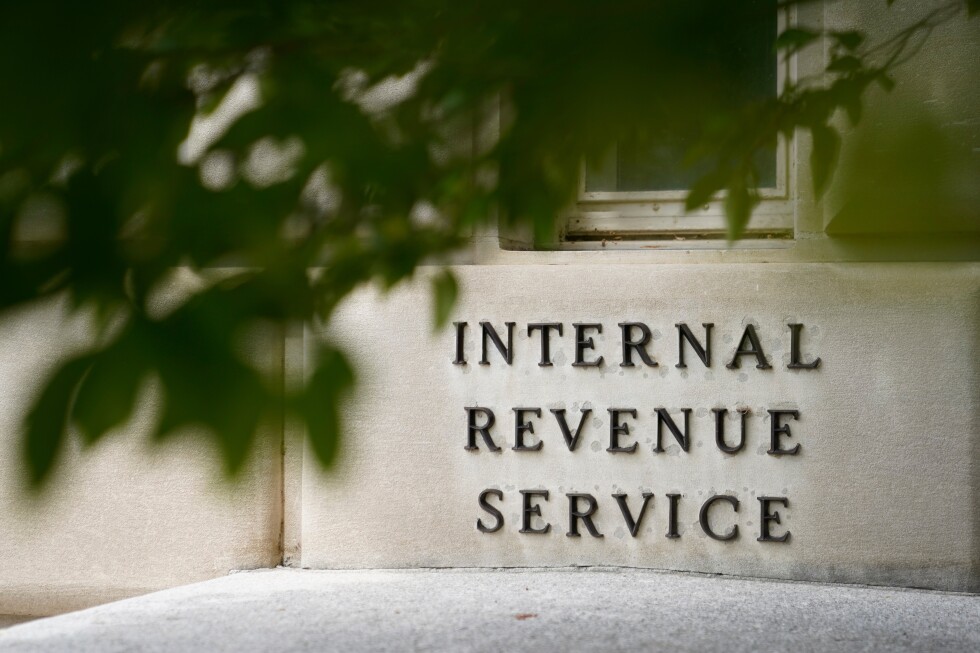
Former President Donald Trump has filed a lawsuit against the Internal Revenue Service (IRS) and Treasury Department, seeking $10 billion in damages over the unauthorized disclosure of his tax information to news outlets between 2018 and 2020.
The lawsuit, filed Thursday in federal court in Florida, includes Trump’s sons Eric Trump and Donald Trump Jr., along with the Trump Organization, as plaintiffs. According to court documents, the leaked tax records allegedly caused “reputational and financial harm, public embarrassment,” and “unfairly tarnished their business reputations.”
The case stems from actions by former IRS contractor Charles Edward Littlejohn, who was sentenced earlier this year to five years in prison after pleading guilty to stealing and leaking tax information. Littlejohn, who worked for government contractor Booz Allen Hamilton, provided Trump’s tax data to The New York Times and ProPublica in what prosecutors described as leaks “unparalleled in the IRS’s history.”
The Times published a major investigation in 2020 revealing that Trump had paid no federal income taxes in many years prior to his presidency. ProPublica followed in 2021 with a series examining discrepancies in Trump’s financial records. The disclosures violated IRS Code 6103, considered one of the strictest confidentiality protections in federal statute.
Trump’s legal team claims the unauthorized disclosures “adversely impacted President Trump’s support among voters in the 2020 presidential election,” suggesting the leaks had political consequences beyond just financial and reputational damage.
The lawsuit comes just days after Treasury Secretary Scott Bessent announced the department had terminated its contracts with Booz Allen Hamilton, the defense and national security technology firm that employed Littlejohn. In his statement, Bessent criticized the company for failing “to implement adequate safeguards to protect sensitive data, including the confidential taxpayer information it had access to through its contracts with the Internal Revenue Service.”
Littlejohn’s unauthorized access wasn’t limited to Trump’s information. He also stole tax records belonging to other billionaires, including Amazon founder Jeff Bezos and Tesla CEO Elon Musk, exposing financial details of thousands of America’s wealthiest individuals.
The lawsuit represents a significant escalation in Trump’s ongoing battle over his tax returns, which became a contentious issue during both his presidential campaigns. Unlike previous presidential candidates who voluntarily released their tax returns, Trump consistently refused to do so, citing ongoing audits. Eventually, six years of Trump’s returns were released by the then-Democratic-controlled House Ways and Means Committee after a protracted legal battle.
Tax privacy experts note that this case highlights the tension between protecting taxpayer confidentiality and the public interest in financial transparency for elected officials. The IRS has historically maintained strict safeguards around tax information, with unauthorized disclosure carrying severe penalties.
The $10 billion damage claim is substantial even by the standards of high-profile federal lawsuits, reflecting what Trump’s legal team characterizes as extensive harm to his business interests and public standing. Legal experts suggest the amount will face significant scrutiny as the case proceeds.
Representatives for the White House, Treasury Department, and IRS have not yet commented on the lawsuit. The case is expected to face a lengthy legal process as it moves through the federal court system.
Fact Checker
Verify the accuracy of this article using The Disinformation Commission analysis and real-time sources.

7 Comments
Suing the IRS and Treasury over leaked tax info is an interesting strategy. I wonder if this is more about optics than a realistic legal case.
You raise a fair point. This could be an attempt to rally his base rather than a serious legal challenge.
Regardless of one’s political views, the unauthorized disclosure of anyone’s tax information is a serious breach of privacy. The government needs to ensure better data security.
The $10 billion figure seems quite high, even for Trump. I’m curious to see how this case plays out in the courts.
This lawsuit seems like another attempt by Trump to deflect attention from his own questionable tax practices. The public has a right to know if elected officials are paying their fair share.
While I understand the desire for privacy, public figures must be held accountable. Transparency around taxes is crucial for maintaining trust in the system.
I agree. The leaked information may have been obtained improperly, but it shed light on important issues of public interest.