


Listen to the article
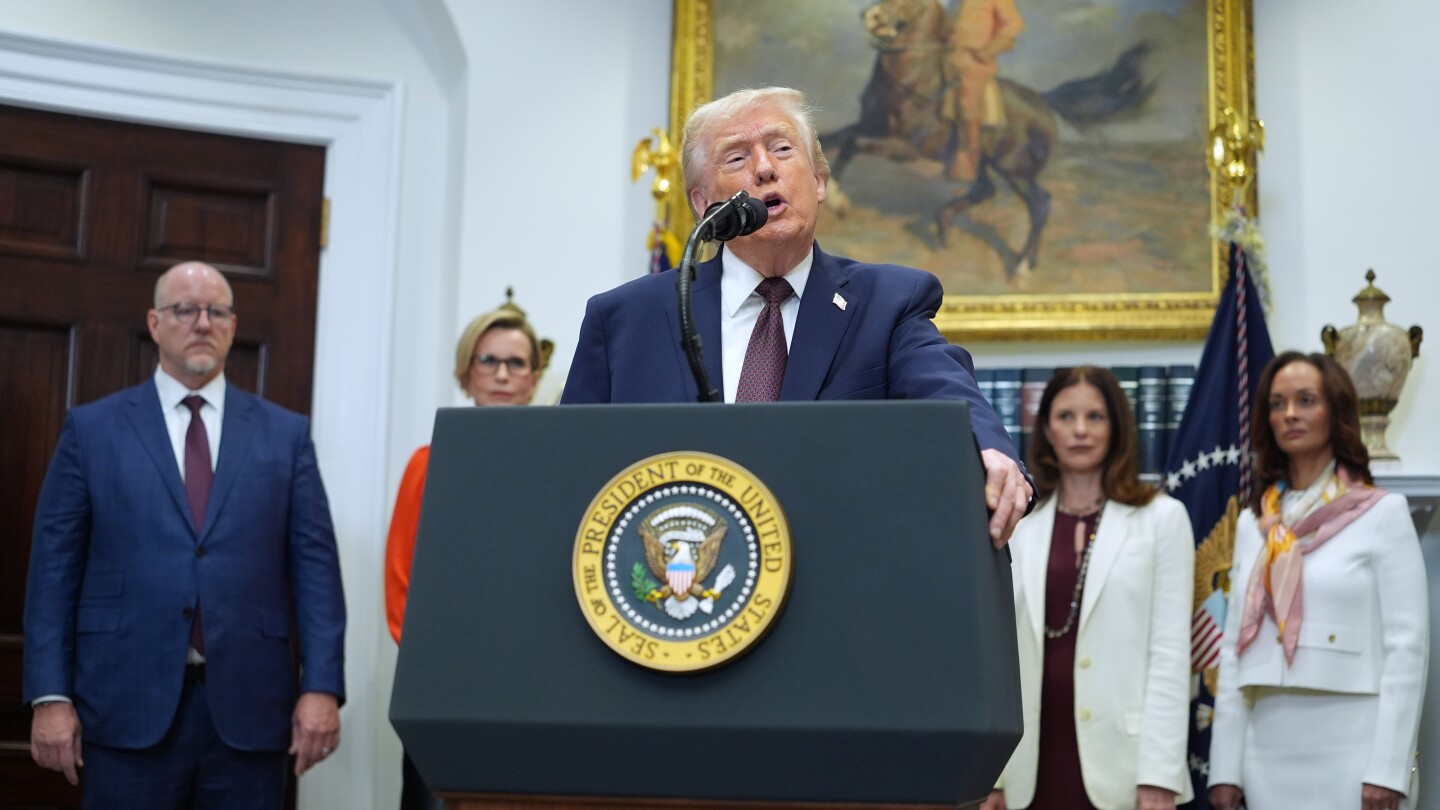
President Trump announced Friday that nine major pharmaceutical companies have agreed to reduce prescription drug prices in the United States, marking a significant development in the administration’s ongoing efforts to address healthcare costs.
The agreement includes industry giants Amgen, Bristol Myers Squibb, Boehringer Ingelheim, Genentech, Gilead Sciences, GSK, Merck, Novartis, and Sanofi. Under the deal, these companies will adjust their Medicaid drug prices to match what they charge in other developed countries—implementing what the administration calls “most-favored-nation” pricing.
Perhaps more significantly, the agreement extends beyond existing medications. New drugs launched by these companies will be subject to this international price matching across all markets in the U.S., including commercial, cash pay, Medicare, and Medicaid sectors.
While patients enrolled in Medicaid already pay minimal co-payments of just a few dollars for prescriptions, the reduced pricing structure could substantially benefit state budgets that fund these programs. States have long struggled with rising Medicaid costs, and pharmaceutical spending represents a significant portion of those expenses.
The agreement may provide the most direct relief to uninsured Americans who currently pay full retail prices for medications with little negotiating leverage. However, experts caution that even with substantial discounts of 50%, some specialty medications could still cost hundreds of dollars monthly for these patients.
William Padula, a pharmaceutical and health economics professor at USC, expressed cautious optimism about the deal. “Medicaid already has the most favorable drug rates, which in some cases will be close to what the ‘most-favored-nation’ price is,” Padula noted. “It can’t be bad. I don’t see much downside, but it’s hard to judge what the upside is.”
The agreement includes additional provisions beyond pricing. The pharmaceutical companies have committed to selling pharmacy-ready medicines on the forthcoming TrumpRx platform, scheduled to launch in January 2023. This platform aims to allow consumers to purchase medications directly from manufacturers, potentially reducing costs by eliminating middlemen in the distribution chain.
Several participating companies, including Merck, GSK, and Bristol Myers Squibb, have also agreed to donate significant supplies of active pharmaceutical ingredients to a national reserve. These donations would be formulated into essential medications like antibiotics, rescue inhalers, and blood thinners during emergencies, strengthening America’s pharmaceutical supply chain resilience.
In a particularly notable concession, New Jersey-based Bristol Myers Squibb announced it will provide its blockbuster blood thinner Eliquis to the Medicaid program at no cost. Eliquis, which reduces the risk of blood clots and stroke, is both the company’s top-prescribed medication and one of Medicaid’s most widely used drugs.
“It’s a thoughtful health equity move that they can afford given that it’s been such a blockbuster,” Padula commented regarding the Eliquis donation.
The latest agreement builds on similar deals struck earlier this year with Pfizer, AstraZeneca, EMD Serono, Novo Nordisk, and Eli Lilly. While specific terms of each company’s agreement weren’t disclosed, the administration has now secured commitments from 14 pharmaceutical manufacturers after Trump sent letters to executives at 17 companies addressing the issue of drug pricing.
In those communications, the President highlighted that U.S. prices for brand-name drugs can be up to three times higher than international averages. Trump later revealed that he had effectively threatened the companies with 10% tariffs to persuade them to “do the right thing.”
Industry analysts note that while these agreements represent a significant shift in pharmaceutical pricing strategy, their long-term impact on patient health outcomes and industry research investment remains uncertain. The true effectiveness of this initiative in expanding medication access will likely take years to fully assess.
Fact Checker
Verify the accuracy of this article using The Disinformation Commission analysis and real-time sources.

8 Comments
This announcement aligns with the administration’s stated goal of lowering drug prices, but the true test will be in the execution. I hope these deals result in tangible savings for consumers and healthcare systems.
While the details of these agreements are still emerging, the administration’s efforts to address pharmaceutical pricing are commendable. Reducing costs for Medicaid and potentially other healthcare sectors could have far-reaching implications.
I’m curious to see how this agreement will be implemented and what the long-term impact will be on drug prices in the U.S. market. While it’s a step in the right direction, there are still many complexities to address in the pharmaceutical pricing landscape.
Monitoring the effects on patient access and medication costs will be important to evaluate the success of this initiative.
This is an interesting development in the ongoing effort to address prescription drug costs. Aligning Medicaid drug prices with those in other developed countries could provide significant savings for state budgets, which is crucial given the challenges many states face with rising Medicaid expenditures.
The international price matching for new drugs is particularly noteworthy, as it could help ensure broader affordability and access across different healthcare sectors.
As someone who has followed the ongoing debate around drug pricing, I’m cautiously optimistic about this development. Meaningful progress on this issue would be a welcome change for many Americans struggling with the high costs of essential medications.
It will be important to monitor whether these agreements are upheld and lead to sustainable price reductions over time.