


Listen to the article
Trump Administration Seeks Environmental Exemption for Gulf Oil Drilling Citing National Security
The Trump administration has moved to exempt expanded oil and gas drilling in the Gulf of Mexico from the Endangered Species Act, citing national security concerns amid ongoing tensions with Iran. The controversial move has alarmed environmental groups who fear it could set a dangerous precedent for future fossil fuel projects and threaten endangered marine species.
Interior Secretary Doug Burgum is scheduled to convene the Endangered Species Committee—nicknamed the “God Squad” for its power to determine species’ fates—on Tuesday. This rare committee, comprising six high-ranking federal officials and state representatives, has only met three times in its 53-year history.
Environmental advocates have rushed to block the meeting through legal action. The Center for Biological Diversity filed a lawsuit last week, arguing that the administration has failed to follow proper procedural requirements for convening the committee.
“There’s no imaginable justification to sacrifice them,” said Steve Mashuda, Earthjustice managing attorney for oceans. “It’s beyond reckless even to consider greenlighting the extinction of sea turtles, fish, whales, rays, and corals to further pad the oil industry’s pockets at the public’s expense.”
Of particular concern is the critically endangered Rice’s whale, with only about 50 individuals remaining in Gulf waters. Environmentalists warn that a blanket exemption would remove vital protections for this and other vulnerable species.
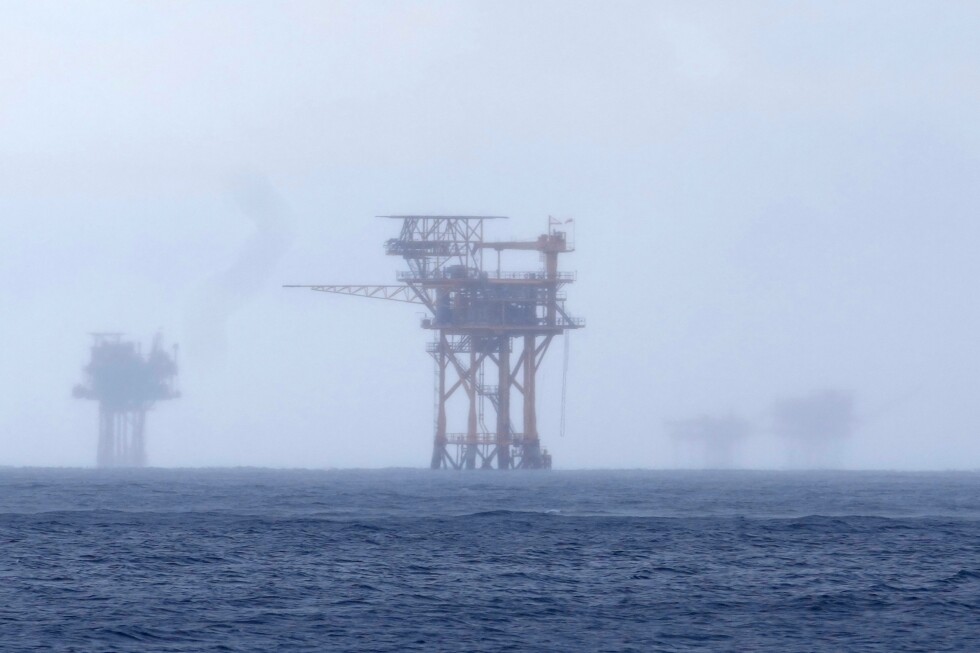
The administration’s exact plans for expanded Gulf drilling remain unclear. However, Defense Secretary Pete Hegseth has formally requested that “all Gulf of America oil and gas exploration and development activities” overseen by federal agencies be exempted from the Endangered Species Act.
In court filings Wednesday, the Department of Justice argued that typical legal requirements don’t apply when national security is invoked. The DOJ stated that relevant records will be made public on Tuesday and that livestreaming the meeting meets public access requirements.
The case will be heard Friday by District of Columbia District Judge Rudolph Contreras, who has ruled against the Trump administration in previous cases.
Legal and environmental experts have questioned the administration’s rationale and timing. The Endangered Species Act allows exemptions only when there is no alternative that would provide the same economic benefits, or when it’s deemed in the nation’s best interest.
“The Endangered Species Act is not stopping oil and gas development, period. It’s not. So why do you need an exemption?” said Patrick Parenteau, an emeritus professor at Vermont Law and Graduate School who helped write criteria for the committee. He contends the administration is using national security “just to basically say, we don’t want the Endangered Species Act interfering with fossil fuel development.”
Some experts also doubt whether such an exemption would effectively address current oil market disruptions stemming from the U.S.-Iran conflict.
“I think this is mostly about messaging because drilling new offshore oil and gas wells takes years,” said Michael Gerrard, director of Columbia University’s Sabin Center for Climate Change Law. “It’s hard to imagine that this would address the Iranian crisis unless that one drags on for a long time.”
When President Trump returned to the White House in January, he called for quarterly meetings of the committee as part of his agenda to accelerate domestic energy development. The scheduled Tuesday meeting would be the committee’s first under his renewed administration.
The previous exemptions granted by the committee occurred in 1979 for a dam construction on Wyoming’s Platte River affecting whooping cranes, and in 1992 for logging in Oregon’s northern spotted owl habitats—though the latter exemption was later withdrawn.
Fact Checker
Verify the accuracy of this article using The Disinformation Commission analysis and real-time sources.

8 Comments
This is a troubling development that highlights the ongoing tension between energy production and environmental conservation. While I understand the administration’s desire to boost domestic energy security, weakening protections for endangered species is a risky and short-sighted approach.
This seems like a concerning move by the Trump administration. Weakening protections for endangered species to expand fossil fuel drilling is worrisome and could set a dangerous precedent. I hope environmental groups are successful in blocking this effort through legal challenges.
I’m skeptical of the national security justification for this exemption. Drilling off the Gulf Coast doesn’t seem like a critical strategic priority, especially if it comes at the expense of protecting vulnerable marine life. Hopefully the ‘God Squad’ will carefully weigh the impacts before making their decision.
Agreed, the national security rationale seems like a flimsy excuse to push through this drilling expansion. I hope the committee members take their responsibilities seriously and put environmental protection first.
As someone who follows energy and mining developments, this announcement is concerning. The Endangered Species Act is a vital piece of legislation, and I hope the administration is held accountable for attempting to circumvent its protections. Maintaining biodiversity should be a priority.
Agreed, the Endangered Species Act is an important environmental safeguard that shouldn’t be sidestepped for the sake of expanded fossil fuel extraction. I hope the courts intervene to preserve the Act’s integrity in this case.
It’s disappointing to see the administration prioritize fossil fuel interests over wildlife conservation. The Endangered Species Act is an important safeguard, and I hope the courts uphold its integrity in this case. Allowing this exemption could set a worrying precedent.
I’m curious to learn more about the specific endangered species that could be impacted by this proposed drilling expansion. What are the key risks, and do the potential economic benefits truly outweigh the environmental costs? This seems like a complex issue worth deeper analysis.