


Listen to the article
The Trump administration escalated pressure on Iran Wednesday by implementing a fresh round of sanctions targeting individuals and entities allegedly involved in Iran’s ballistic missile program, drone manufacturing operations, and illicit petroleum sales. The move comes as U.S. officials prepare for nuclear talks with Iranian counterparts in Geneva on Thursday.
The Treasury Department’s Office of Foreign Assets Control designated 30 people, companies, and vessels in this latest enforcement action. Among those targeted are several ships identified as part of Iran’s “shadow fleet” – aging oil tankers used to circumvent international sanctions by smuggling petroleum products to global markets.
The sanctions also hit drone manufacturers, including Qods Aviation Industries, which Treasury officials say has supplied unmanned aerial vehicles to all branches of Iran’s military as well as customers in Africa and Latin America. These sanctions effectively freeze any U.S.-based assets and prohibit American citizens and businesses from engaging with the designated entities.
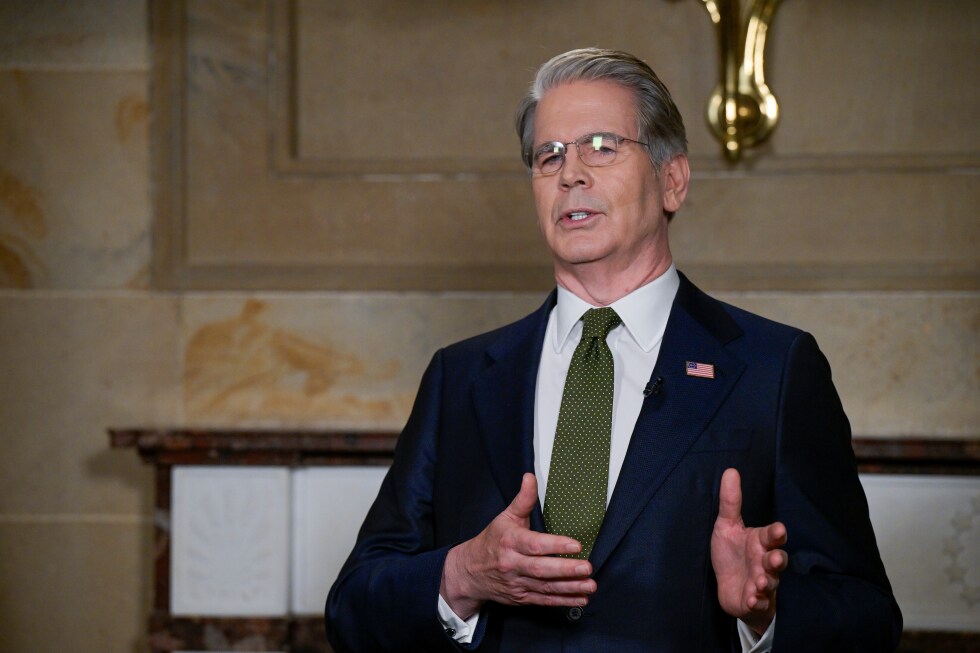
“Treasury will continue to put maximum pressure on Iran to target the regime’s weapons capabilities and support for terrorism, which it has prioritized over the lives of the Iranian people,” Treasury Secretary Scott Bessent said in a statement accompanying the announcement.
The timing of these sanctions is significant, coinciding with what analysts describe as the largest deployment of U.S. naval and air forces to the Middle East in decades. This military buildup follows U.S. strikes on three Iranian nuclear facilities in June, which President Trump has characterized as necessary to prevent Iran from advancing its nuclear capabilities.
During his State of the Union address Tuesday night, Trump addressed the ongoing tensions with Iran directly. “We wiped it out and they want to start all over again. And they’re at this moment again pursuing their sinister ambitions,” the president stated. “We are in negotiations with them. They want to make a deal, but we haven’t heard those secret words: We will never have a nuclear weapon.”
The Geneva talks, scheduled for Thursday, will feature U.S. envoy Steve Witkoff meeting with Iranian negotiators through Omani intermediaries. The diplomatic engagement represents a continuation of efforts to resolve the standoff over Iran’s nuclear program through negotiation, even as the administration increases economic and military pressure.
Iran has consistently maintained that its nuclear program serves peaceful purposes. Prior to the June U.S. strikes, Iran had been enriching uranium to 60% purity – a level that experts note is just below the 90% threshold considered weapons-grade. This proximity to weapons-grade enrichment has been a primary concern for U.S. policymakers.
The sanctions strategy employed by the Trump administration represents a multi-faceted approach to containing Iran’s regional influence. By targeting the shadow fleet, the U.S. aims to further constrict Iran’s ability to generate revenue through oil exports. Similarly, sanctions against drone manufacturers seek to limit Iran’s capacity to project military power through proxy forces across the Middle East.
Energy market analysts note that while these sanctions may have limited immediate financial impact – as many targeted entities have already adjusted their operations to avoid U.S. financial systems – they signal continued U.S. determination to maintain pressure on Tehran ahead of nuclear negotiations.
Regional security experts point out that the combination of military posturing and economic sanctions creates significant leverage for U.S. negotiators, though it remains unclear whether this approach will yield the comprehensive agreement the administration seeks. As Thursday’s talks approach, the international community watches closely to see if this dual-track strategy of pressure and diplomacy will produce a breakthrough in the longstanding nuclear impasse.
Fact Checker
Verify the accuracy of this article using The Disinformation Commission analysis and real-time sources.

8 Comments
Interesting that the US is ratcheting up pressure on Iran with new sanctions targeting its drone and missile programs. Curious to see how this might impact Iran’s ability to continue its regional influence and proliferation activities.
Agreed, these sanctions seem aimed at limiting Iran’s military capabilities and options. Will be interesting to see how it affects the upcoming nuclear talks.
Targeting Iran’s drone manufacturers is a strategic move to try and limit its asymmetric military capabilities and disrupt its support for proxy groups. Curious to see if this has any impact on the upcoming nuclear talks.
These sanctions seem aimed at constraining Iran’s regional influence and power projection capabilities. Will be interesting to see how it affects the dynamics heading into the nuclear negotiations.
It will be important to monitor how these new sanctions impact Iran’s ability to procure technology and materials for its ballistic missile and drone programs. Disrupting those supply chains could significantly degrade its military capabilities.
Absolutely, limiting Iran’s access to critical components and know-how for these weapons systems is a key objective of the US pressure campaign.
This crackdown on Iran’s ‘shadow fleet’ of oil tankers is another effort to choke off its revenues and restrict its economic activities. Looks like the US is keeping up the maximum pressure campaign.
Yes, the sanctions on Iran’s oil trade and shipping industry are clearly intended to constrain its ability to generate funds and bypass international restrictions.