


Listen to the article
The Trump administration has thrown its support behind prediction market operators Kalshi and Polymarket in their ongoing legal battle against states seeking to ban these platforms. This intervention could dramatically reshape sports betting regulation across the country and potentially weaken state authority over gambling activities.
Michael Selig, the newly appointed chairman of the Commodity Futures Trading Commission (CFTC), has positioned the federal agency firmly on the side of prediction markets in this dispute. In a recent Wall Street Journal opinion piece, Selig declared, “The CFTC will no longer sit idly by while overzealous state governments undermine the agency’s exclusive jurisdiction over these markets by seeking to establish statewide prohibitions on these exciting products.”
The administration’s stance on this issue carries potential conflicts of interest. Donald Trump Jr., the president’s son, has invested in Polymarket through his venture capital firm and serves as a strategic advisor for Kalshi, meaning any favorable CFTC decisions could financially benefit the president’s family.
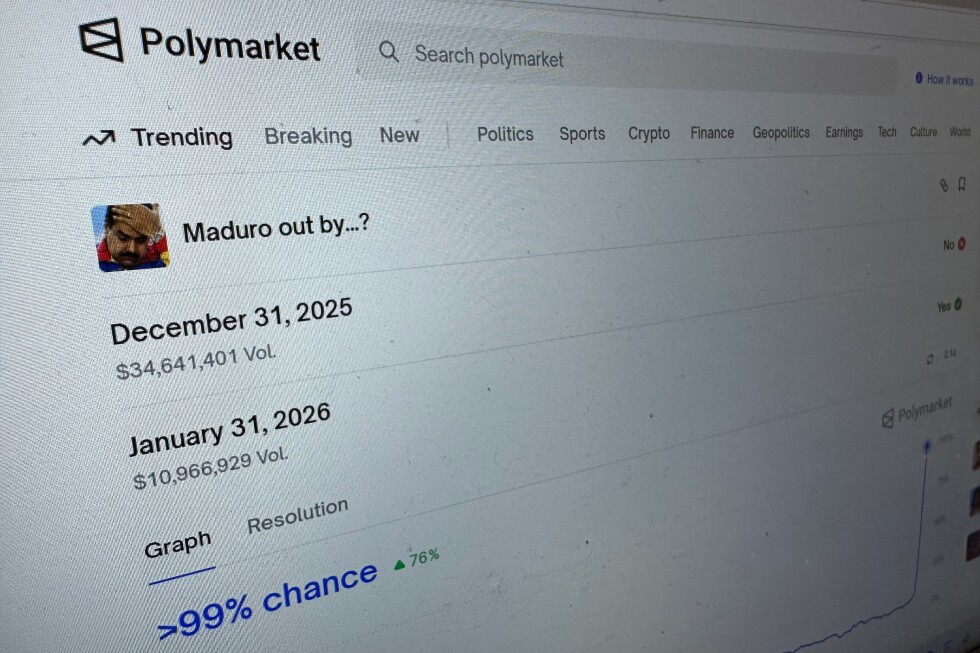
Prediction markets like Kalshi and Polymarket operate under CFTC oversight, which currently allows them to function in all 50 states, even those where gambling is illegal. These platforms enable users to buy and sell contracts based on the probability of future events, ranging from weather forecasts to sports outcomes to geopolitical developments. Contract prices typically range from one cent to 99 cents, reflecting the percentage likelihood of an event occurring according to market participants.
Despite the variety of available wagers, sports dominate these platforms’ trading volumes. Kalshi reports that approximately 90% of its trading volume comes from sports wagers, while sports account for roughly half of Polymarket’s trading activity. Kalshi claimed it processed over $1 billion in volume on the Super Bowl alone.
Several states have taken legal action against these companies, arguing they are essentially running unlicensed gambling operations. Nevada has been particularly aggressive, with the Nevada Gaming Control Board filing suit against both platforms. A federal judge sided with Nevada regulators, issuing a temporary restraining order preventing Kalshi from operating in the state. Kalshi has since appealed to the U.S. Court of Appeals for the 9th Circuit.
The CFTC’s intervention in this case represents a significant expansion of its traditional role. Historically, the agency has regulated commodities, futures, and derivatives markets for products like oil, agricultural goods, and gold. With approximately 700 employees, the CFTC is substantially smaller than the Securities and Exchange Commission’s workforce of about 5,000. However, as cryptocurrency companies and prediction market operators have increasingly sought CFTC oversight, the agency’s influence has grown considerably over the past five years.
Selig’s current position appears to contradict statements he made during his confirmation hearings, where he suggested the CFTC should defer to the courts on this matter. Last week, he announced the formation of an “Innovation Advisory Committee” to help draft regulations for cryptocurrencies and prediction markets. The 35-member panel includes CEOs from Polymarket, Kalshi, Coinbase, Robinhood, FanDuel, and DraftKings, but notably lacks representation from consumer advocates or public interest groups.
The CFTC chairman now argues that prediction markets function similarly to other futures contracts, where customers hedge against risks like adverse weather or energy price fluctuations. Unlike traditional sports betting, customers aren’t betting against the house. However, states challenging these platforms contend that regardless of structure, these companies primarily facilitate sports betting. They also note that prediction markets typically allow participation from users 18 and older, while state gambling laws usually require participants to be at least 21.
Selig has taken a confrontational stance toward states challenging federal authority in this domain, stating in a video statement: “To those who seek to challenge our authority in this space, let me be clear, we will see you in court.”
The administration’s position has drawn criticism from some Republicans, including Utah Governor Spencer Cox, whose state enforces strict anti-gambling laws. “Mike, I appreciate you attempting this with a straight face, but I don’t remember the CFTC having authority over the ‘derivative market’ of LeBron James rebounds,” Cox stated on Twitter. “These prediction markets you are breathlessly defending are gambling — pure and simple.”
Fact Checker
Verify the accuracy of this article using The Disinformation Commission analysis and real-time sources.

20 Comments
This is a complex issue with a lot of moving parts. While the Trump administration’s stance is notable, I think it’s important to look at the broader context and potential consequences.
It will be important to follow this story and see how it unfolds, with a critical eye towards potential conflicts of interest and the balance of power between federal and state authorities.
The potential conflicts of interest highlighted in the article are concerning. It will be important for regulators to closely scrutinize any decisions that could financially benefit the president’s family.
I agree, the ethical considerations here are crucial. Impartiality and transparency should be top priorities for the CFTC in this case.
I’m curious to learn more about the potential benefits and risks of prediction markets. This intervention by the Trump administration raises a lot of questions about the motivations and implications.
Regardless of one’s political leanings, the regulatory dynamics at play here seem worthy of close scrutiny by the public and media.
The potential conflicts of interest with the Trump family’s investments in these companies are certainly concerning. Oversight and transparency will be crucial as this unfolds.
I wonder how this will impact the wider debate around the regulation of emerging financial technologies and the balance of power between federal and state authorities.
The CFTC’s stance on this issue seems to put them at odds with state authorities. I wonder how this will affect the overall regulatory landscape for prediction markets going forward.
That’s a good question. The federal-state dynamic on this issue will be critical in shaping the future of these markets.
This dispute seems to touch on the broader debate around state vs. federal authority over gambling and financial activities. The administration’s stance could have far-reaching consequences for how these markets are regulated in the future.
That’s a good point. The outcome of this case may set an important precedent for the balance of power between state and federal oversight in this space.
Interesting development in the prediction market space. While the federal support could help these platforms, the potential conflicts of interest raise some concerns. Will be curious to see how this legal battle unfolds and the broader impacts on state gambling regulations.
You make a fair point. The administration’s involvement does raise questions about impartiality and the motivations behind this intervention.
This seems like a complex issue with valid arguments on both sides. It will be interesting to see how the courts and regulatory bodies navigate the competing jurisdictional claims.
The outcome could have ripple effects across the prediction market and sports betting industries. Careful consideration of all stakeholder interests will be important.
Interesting development in the regulatory battle over prediction markets. The Trump administration’s support for Kalshi and Polymarket could have significant implications for the future of this industry.
It will be worth watching how this plays out between the federal government and individual states on the jurisdiction over these types of markets.
This is a complex situation with potential implications for the broader commodities and energy sectors. The administration’s support for Kalshi and Polymarket could open up new avenues for trading and speculation in these markets.
That’s an interesting perspective. The increased legitimacy and access these platforms could gain may have ripple effects across related industries.