


Listen to the article
Treasury Department Intensifies Scrutiny of Money Transfer Services in Somali Community
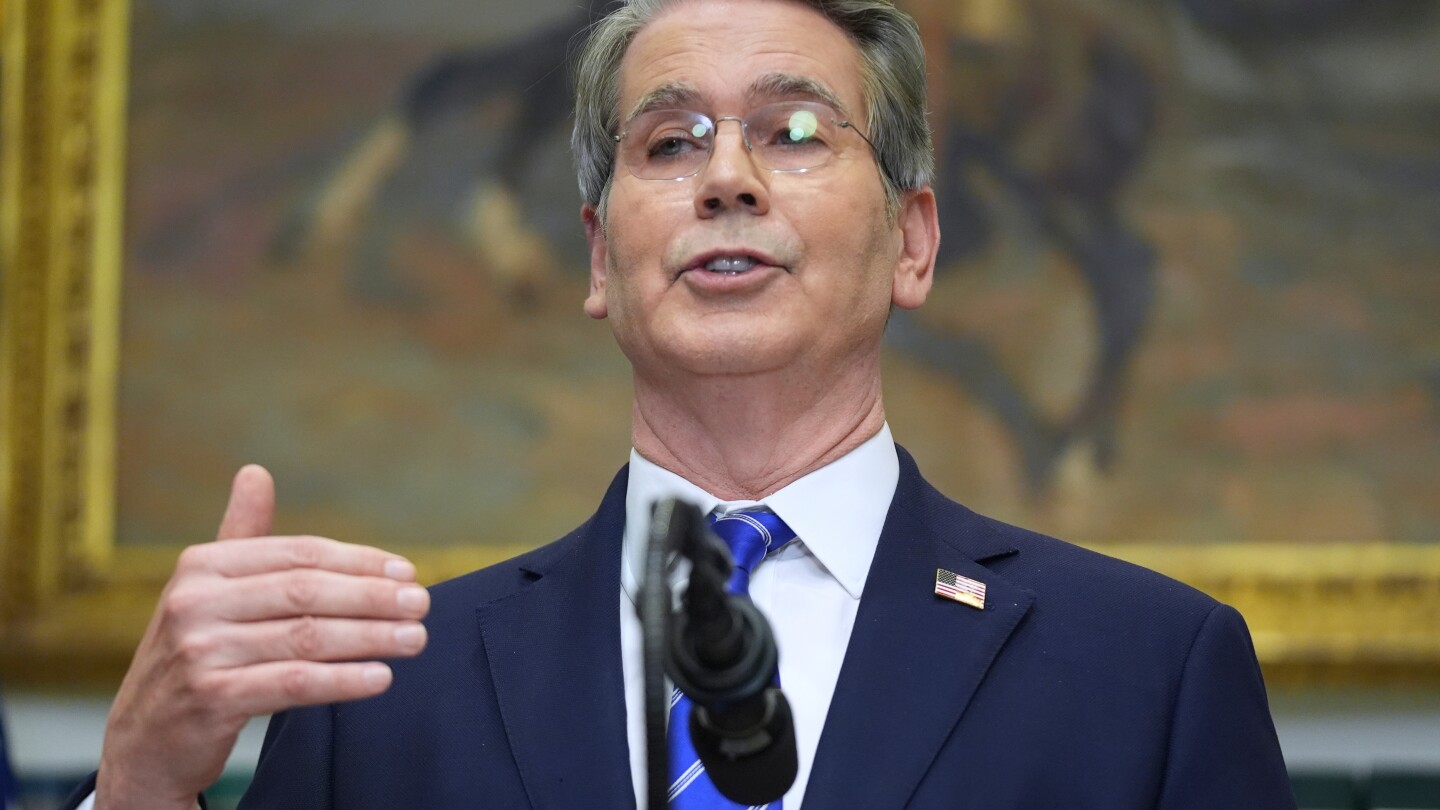
The Treasury Department announced plans to increase oversight of money transfer services used by immigrants to send remittances to family members in Somalia, as part of a broader investigation into alleged financial fraud within Minnesota’s Somali community, Treasury Secretary Scott Bessent said on Friday.
The new measures will require money wire services that process transfers to Somalia to submit additional verification documentation to the Treasury Department. The Financial Crimes Enforcement Network (FinCEN), which specializes in combating money laundering and terrorism financing, will spearhead these efforts alongside the Internal Revenue Service.
“Treasury personnel are on the ground working hard to uncover the facts,” Bessent stated on social media, signaling the administration’s commitment to the investigation.
The announcement comes amid heightened scrutiny of the Somali diaspora in Minnesota by the Trump administration. President Trump has repeatedly made controversial statements about the community, claiming Minnesota has become “a hub of fraudulent money laundering activity,” though evidence supporting such broad characterizations remains limited.
The Treasury Department’s actions appear to be partly motivated by several high-profile fraud cases, most notably involving the nonprofit organization Feeding Our Future. The organization stands accused of misappropriating approximately $300 million in pandemic aid that was intended for school meal programs. This case represents one of the largest pandemic-related fraud schemes uncovered in the United States.
Bessent referenced a report published by the conservative news outlet City Journal, which alleged that taxpayer dollars from defrauded government programs were channeled to al-Shabab, an al-Qaida-affiliated militant group operating in Somalia. The report relies on unnamed sources, and federal prosecutors have not charged any defendants with terrorism support in connection with the Feeding Our Future case or related investigations.
Remittance services play a crucial role in the global economy, particularly for immigrant communities. Somalia, which has faced decades of civil war and instability, relies heavily on money sent from diaspora communities abroad. The World Bank estimates that remittances constitute approximately 25% of Somalia’s GDP, making them an economic lifeline for many families.
Financial experts caution that excessive restrictions on legitimate remittance channels could have unintended consequences. When formal financial channels become more difficult to access, users may turn to informal and unregulated methods of transferring money, which can be more difficult to monitor.
Advocacy organizations representing Somali Americans have expressed concern that the administration’s actions could stigmatize an entire community based on isolated criminal cases. They emphasize that the vast majority of Somali Americans are law-abiding citizens who contribute significantly to Minnesota’s economy and cultural fabric.
The Treasury Department’s actions reflect a broader pattern of increased financial surveillance under the current administration, which has prioritized combating financial crimes and enforcing stricter immigration policies. Critics argue these measures disproportionately target specific immigrant communities, while supporters maintain they are necessary security precautions.
Financial industry observers note that remittance services already operate under substantial regulatory requirements, including Know Your Customer protocols and anti-money laundering compliance programs. The additional verification requirements may increase operating costs for these businesses and potentially reduce access to critical financial services for vulnerable populations.
As the Treasury Department’s investigation unfolds, its impact on Minnesota’s Somali community and the broader remittance industry remains to be seen. The case highlights the complex intersection of national security concerns, financial regulation, and the economic needs of immigrant communities in the United States.
Fact Checker
Verify the accuracy of this article using The Disinformation Commission analysis and real-time sources.

22 Comments
Financial fraud is unacceptable, but the Somali community deserves to be treated with dignity and respect. I hope the Treasury’s actions are driven by evidence, not stereotypes or political agendas.
Exactly. Any investigations must be conducted transparently and without bias to maintain public trust.
It’s important to combat financial crimes, but I worry this could further marginalize the Somali community. I hope the Treasury balances security concerns with protecting civil liberties and avoiding discrimination.
Well said. The government must tread carefully to uphold the rule of law without infringing on the rights of innocent people.
This is a concerning development that could further marginalize the Somali community. While financial crimes should be addressed, the approach must be fair, fact-based, and avoid unfairly singling out immigrant groups.
Well said. The government has a responsibility to maintain security, but not at the expense of civil liberties and equal treatment under the law.
I’m curious to learn more about the specific evidence and criteria the Treasury is using to target this community. Heightened scrutiny is warranted for potential fraud, but it must be applied judiciously and without discrimination.
Absolutely. The public deserves transparency around the investigative process and assurances that due process will be upheld.
While combating fraud is important, the Somali community should not be unfairly targeted. I’m concerned this could further erode trust and exacerbate tensions. The Treasury must tread carefully and ensure a fair, evidence-based process.
Agreed. The administration should focus on facts, not inflammatory rhetoric, and work to build bridges with the Somali community.
This is a complex issue with valid concerns on both sides. While fraud should be rooted out, we must ensure investigations are evidence-based and not fueled by prejudice. The Somali community deserves fair and equal treatment under the law.
I agree. The administration should focus on facts, not inflammatory rhetoric, and work to build trust with the Somali community.
While financial fraud should be addressed, I’m concerned this could further marginalize the Somali community. The Treasury must ensure its actions are fair, evidence-based, and avoid unfairly targeting immigrant groups. Transparency and equal treatment under the law are crucial.
Exactly. Any investigations must be conducted in a way that upholds the rights and dignity of all members of the community.
This is a complex issue with valid concerns on both sides. Combating financial crimes is important, but the Somali community deserves to be treated with dignity and respect. I hope the Treasury’s actions are guided by facts, not prejudice.
Well said. The administration must strike a careful balance between security and civil liberties to maintain public trust.
This is a sensitive issue that requires a balanced approach. Financial crimes must be addressed, but not at the expense of civil liberties and equal treatment. I hope the Treasury’s actions are guided by facts, not prejudice.
Well said. The government has a responsibility to maintain security, but not by undermining the rights and dignity of immigrant communities.
I’m concerned this could unfairly target the Somali community and further marginalize them. While fraud should be investigated, the process must be fair, transparent, and avoid discrimination. The administration should tread carefully here.
Absolutely. Any investigations should be based on solid evidence, not stereotypes or political agendas. The rights and freedoms of all citizens must be protected.
This is a concerning development. While financial fraud should be investigated, we must be careful not to unfairly target immigrant communities. I hope the Treasury’s actions are based on solid evidence and not fueled by xenophobia.
Agreed. Any investigations should be fair and proportionate. Targeting entire communities based on stereotypes is unacceptable.