


Listen to the article
Young Christian Influencers Fill Religious Void with Digital Ministry
Millennial and Generation Z Christian influencers are carving out a growing space in American religious life, offering biblical guidance and spiritual connection to young people through digital platforms. As traditional church attendance has declined in recent years, these online voices are providing practical faith-based advice that resonates with audiences seeking meaning beyond Sunday services.
“I can be that in-between — Monday to Saturday help — to give you practical things to make you feel like you’re not walking this walk alone,” explains Megan Ashley, 35, who records her “In Totality” podcast from her couch at home in Acworth, Georgia.
These digital ministers come from diverse backgrounds and speak candidly about everything from anxiety and doubt to dating and cultural issues, delving into biblical complexities with an approachable style. Their rising popularity coincides with significant shifts in religious engagement among young Americans. According to the Pew Research Center, only 41% of people ages 18-35 surveyed in 2023-24 said they believe in God with certainty, down from 65% in 2007.
“What they’re making accessible is a truth that transforms people,” says Lecrae Moore, a Christian rapper and podcaster. “There’s something that’s happening existentially — supernaturally — that I can’t explain.”
Connecting Online and In Person
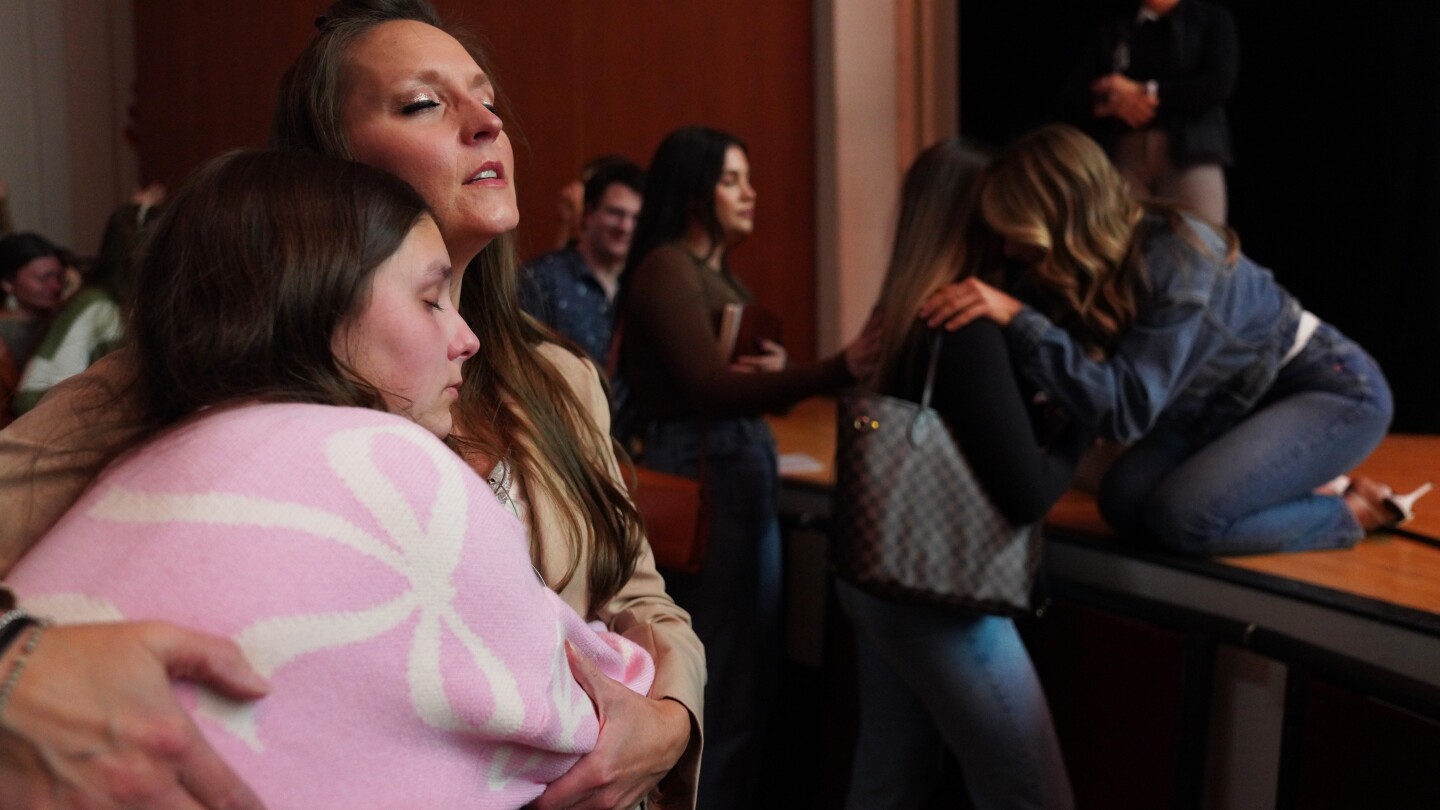
While these influencers harness digital tools to build their audiences, they consistently encourage church attendance and emphasize community connection. Many have expanded beyond online content to host live events that bring followers together in person.
Arielle Reitsma, 36, co-host of the podcast “Girls Gone Bible,” which attracts over a million listens or streams monthly, describes their approach: “We’re like, listen, we’re two mess-ups too. It’s OK.” At a recent event in Atlanta, Reitsma and her co-host Angela Halili warned hundreds of fans against idolizing work or relationships while sharing their own journeys through Hollywood, addiction, heartbreak, and mental health struggles.
Zachary Sheldon, a Baylor University lecturer on media, religion and culture, places these digital ministers within the historical context of Christian celebrities like televangelist Billy Graham. He notes that working independently allows them to connect with audiences more easily than established congregations and media organizations, though he cautions about “potential dangers in granting them too much authority on the basis of their celebrity and their acumen with social media.”
Authenticity and Struggle
A common thread among these influencers is their willingness to acknowledge that Christian life isn’t always easy. While they promote biblical principles as a path to true joy, they’re candid about the challenges of faith.
God “does make everything better, but that doesn’t always come in the way that we think it’s gonna come,” says Ashley. Her teaching intensity grew after experiencing what she describes as a healing encounter with God’s “severity” during a dark period as a freshly divorced single mother battling suicidal thoughts and depression.
Jackie Hill Perry, 36, co-hosts the podcast “With the Perrys” alongside her husband Preston. The couple explores Bible themes, day-to-day challenges, parenting issues, and Black culture through their platform, which includes a streetwear brand in addition to their podcast and writing. “It is the all — how do we do all of this stuff in this weird flesh and weird world?” Jackie says. An admired speaker working toward her seminary degree, she has written about leaving behind same-sex relationships and becoming a Christian evangelist.
Youth-Led Evangelism
At just 22, Bryce Crawford represents a younger wave of digital ministers. His self-named podcast features biblical teaching, and he creates videos documenting conversations about Christianity at Pride parades, the Burning Man festival, and even a satanic temple. Unlike traditional street preachers who might shout “repent,” Crawford aims to change minds through empathetic dialogue.
“My issue with ‘repent or burn in hell’ is that people get frustrated because they don’t know why you’re telling them that,” Crawford explains. He describes overcoming severe anxiety and bitterness toward God through a spiritual healing experience. “Our tactics have been one-on-one conversations, calmly listening, asking questions because we care about them, and in that explaining our worldview.”
Navigating Digital Challenges
These influencers recognize the limitations and pitfalls of online Christianity. Hill Perry worries that fundamental Christian virtues like gentleness, respect, and kindness might seem “boring” to audiences seeking more dramatic content. The deep political and cultural divisions among Christians also manifest online, with influencers often receiving criticism from multiple directions.
For instance, Halili and Reitsma faced backlash for praying at a pre-inauguration rally for President Donald Trump. The Perrys have been criticized by conservatives for discussing police brutality and racial injustice, while liberals have objected to their positions on same-sex marriage and abortion.
Despite these challenges, followers like Olivia Singleton, 24, value these influencers for providing alternatives to traditional pastoral models. “I really needed someone who was a younger Black female portraying something that wasn’t super traditional,” says Singleton, who remains involved with her church but appreciates that these digital ministers feel like “one of the girls… walking out the faith with you.”
As church attendance patterns continue to evolve, these online voices are helping reshape how younger generations engage with Christianity, offering biblical guidance with a relatable touch that bridges the gap between Sunday sermons and daily life.
Fact Checker
Verify the accuracy of this article using The Disinformation Commission analysis and real-time sources.

9 Comments
The candid, relatable style of these digital ministers seems well-suited to connect with younger generations. Providing practical, Bible-based guidance on everyday issues could be an effective way to keep Christianity relevant and accessible.
Agreed. Their ability to discuss complex theological topics in an approachable way is likely a key factor in their growing popularity, especially among those who may feel disconnected from traditional religious institutions.
Interesting to see how religious engagement is shifting, especially among younger generations. These digital influencers seem to be filling an important gap by providing practical, relatable faith-based guidance. It will be fascinating to see how this trend evolves.
It’s a smart move by these influencers to leverage digital platforms to reach younger generations. In a world increasingly defined by online communities, their ability to provide spiritual guidance and a sense of connection virtually could be quite powerful.
The statistics on declining belief in God among young Americans are quite striking. These influencers seem to be responding to a real need and void in many young people’s lives. I’m curious to learn more about the specific topics and advice they provide.
While the shift away from traditional religious engagement is concerning for some, these online ministries demonstrate an adaptive and innovative approach to maintaining spiritual connections. It will be interesting to see how they continue to evolve and engage younger audiences.
The decline in traditional church attendance is a significant trend. These online ministries could help keep young people connected to Christianity in a more accessible, modern way. I wonder how their content and approach differs from traditional churches.
Good point. The approachable, conversational style of these influencers likely resonates better with younger audiences who may feel disconnected from more formal religious institutions.
This is a fascinating trend that highlights the changing nature of religious engagement, particularly among young people. It will be interesting to see how these online ministries continue to evolve and potentially influence the future of Christianity in America.