


Listen to the article
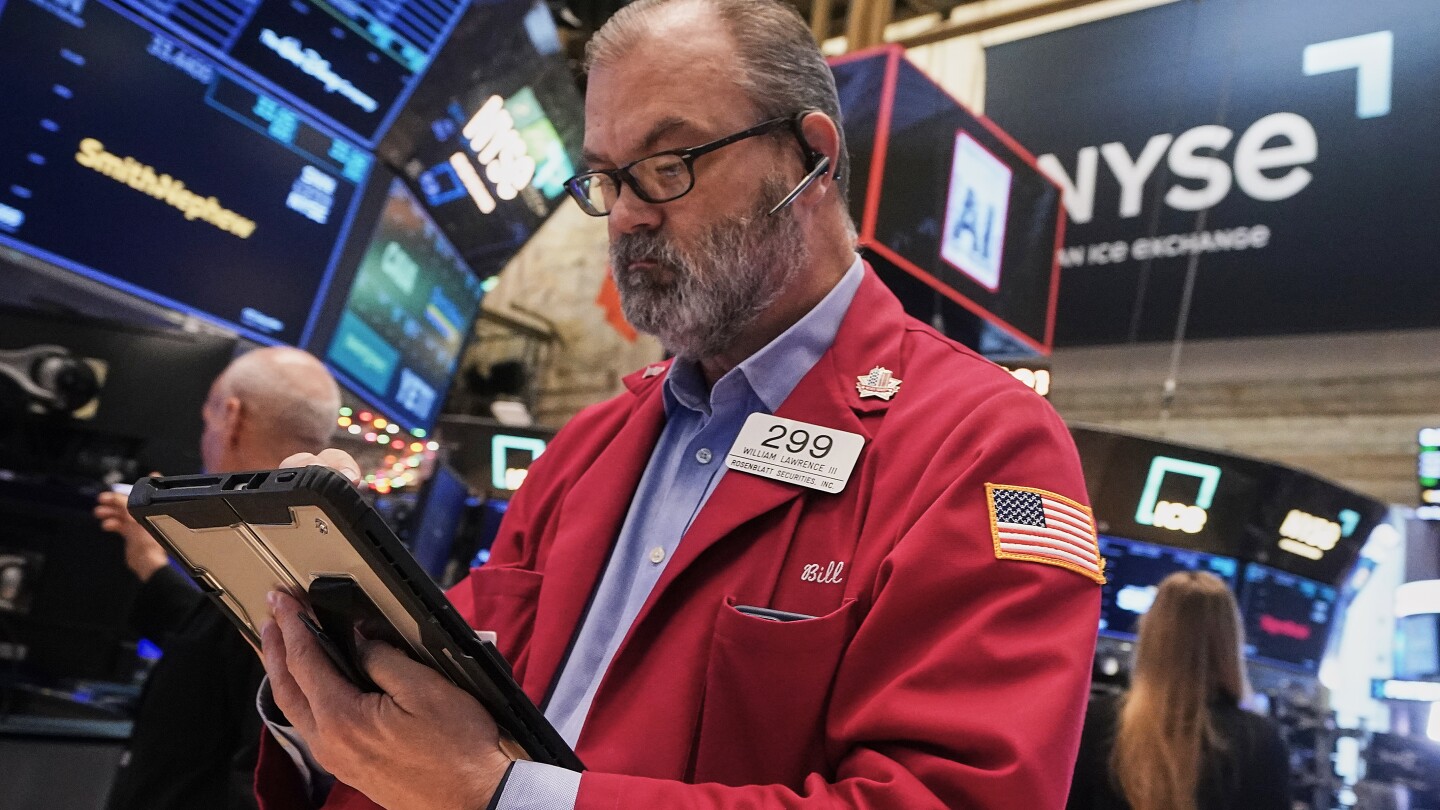
Wall Street reached new record highs on Thursday despite concerns about artificial intelligence investments and a significant sell-off in Oracle shares. The S&P 500 edged up 0.2% to close at 6,901.00, surpassing its previous record from October, while the Dow Jones Industrial Average surged 646.26 points, or 1.3%, to 48,704.01, also setting a fresh all-time high.
The tech-heavy Nasdaq composite, however, lagged behind with a 0.3% decline to 23,593.86, weighed down by weakness in AI-related stocks. Oracle shares plummeted 10.8% after investors expressed concern about the company’s substantial AI investment plans and questions about how these investments would be funded.
This market resurgence follows a period of volatility in October when fears about Federal Reserve policy and the sustainability of AI investments led to some of the worst trading days since April. However, stronger-than-expected corporate earnings reports and the Fed’s recent interest rate cuts have helped restore investor confidence.
On Wednesday, the Federal Reserve cut its benchmark interest rate for the third time this year, signaling a potential additional cut in 2024. Though Fed Chair Jerome Powell indicated rates might remain steady for a period, his comments appeared less restrictive than some investors had feared, providing some reassurance to markets.
The benefits of lower interest rates were particularly evident in smaller companies, with the Russell 2000 index of small-cap stocks jumping 1.2%. Financial institutions and companies tied closely to economic performance also performed well, with Goldman Sachs rising 2.5% and Visa surging 6.1%.
The Walt Disney Company advanced 2.4% after announcing a $1 billion investment in OpenAI. The three-year partnership will allow OpenAI to use more than 200 characters from Disney, Marvel, Pixar, and Star Wars for generating social media content.
Healthcare giant Eli Lilly gained 1.6% following promising clinical trial results for obese or overweight patients with knee osteoarthritis. Meanwhile, satellite imaging provider Planet Labs PBC soared 35% after reporting quarterly results that exceeded analyst expectations.
Despite the market’s positive performance, concerns persist about the valuation and future returns of AI investments. Nvidia, which has become synonymous with the AI boom and generates nearly $20 billion monthly, fell 1.5% on Thursday, becoming the largest drag on the S&P 500 due to its massive market capitalization.
The retail sector showed signs of strain as Oxford Industries, parent company of Tommy Bahama and Lilly Pulitzer, dropped 21.2% after reporting that consumers are increasingly seeking discounts. CEO Tom Chubb noted that the holiday shopping season had begun weaker than anticipated, forcing the company to reduce its annual revenue forecast.
Economic indicators suggest consumers are feeling pressure from persistently high prices following years of inflation, combined with a cooling job market. Barry Bannister, chief equity strategist at Stifel, estimates a roughly 25% chance of recession, warning that even substantial AI spending “is not enough to offset a consumer pull-back.”
Labor market data released Thursday showed that applications for unemployment benefits increased more than expected last week, potentially signaling rising layoffs. The yield on the 10-year Treasury note inched up slightly to 4.14% from 4.13% the previous day.
International markets presented a mixed picture, with European indexes trending higher while most Asian markets declined. Japan’s Nikkei 225 fell 0.9%, partly due to a sharp decrease in SoftBank Group Corp., a major AI investor.
As Wall Street celebrates its return to record territory, analysts remain cautious about market valuations and the sustainability of AI investments amid shifting consumer spending patterns and a potentially slowing economy.
Fact Checker
Verify the accuracy of this article using The Disinformation Commission analysis and real-time sources.

8 Comments
Interesting to see the market reach new highs despite the AI bubble concerns. Seems investors are focused on the Fed’s rate cuts and strong corporate earnings for now.
You’re right, the market is shrugging off the AI worries for the moment. It’ll be important to see how that plays out longer-term.
While the AI bubble concerns linger, the overall market resilience is impressive. Curious to see if this optimism extends to the mining and energy space as well.
The Oracle plunge is notable. Investors seem wary of the company’s AI investment plans and how they’ll be funded. Curious to see if other tech firms face similar skepticism.
Good point. The market could get jittery about AI spending if it starts to impact earnings across the sector.
Record highs in the Dow and S&P, but the Nasdaq lags. Seems investors are favoring more traditional stocks over the AI/tech plays for now. Will be interesting to see if that dynamic shifts.
The mining and commodities sectors could benefit from this market strength, especially with the Fed’s continued dovish policies. I’ll be watching the performance of related equities.
Absolutely. Miners and commodity producers tend to do well in an environment of low rates and economic growth.