


Listen to the article
Every houseplant enthusiast knows the dismay of discovering unwelcome visitors on their leafy companions. That telltale speck moving across a stem, the fine webbing between leaves, or foliage that suddenly looks unhealthy often signals the arrival of pests. While many plant owners hope to avoid infestations entirely, experts suggest that prevention and early intervention are key to maintaining healthy indoor gardens.
According to garden specialists, taking precautionary measures begins before the plant even enters your home. The nursery or garden center is the first line of defense against potential infestations. Careful inspection before purchase can save weeks of frustration and treatment later.
“Examining a plant thoroughly before bringing it home is crucial,” explains Jessica Damiano, a gardening columnist who publishes the award-winning Weekly Dirt Newsletter. “Check the soil surface, stems, and both sides of leaves for any signs of pests or unusual patterns.”
Experts recommend using a smartphone camera to zoom in on suspicious spots that might be difficult to see with the naked eye. If the plant appears healthy, purchasing it is reasonable, but immediate repotting upon arrival at home provides additional protection.
The repotting process serves as a critical preventative measure. By removing the plant from its original container and gently shaking off the nursery soil, gardeners can eliminate potential pest eggs or larvae hidden within. This step is important even when no visible pests are present, as many insect eggs are microscopic.
Once the root ball is cleaned, using fresh, sterile potting mix in a clean container prevents transferring any dormant pests to the plant’s new environment. If reusing the original pot, thorough washing and disinfection with a diluted bleach solution (one part bleach to nine parts water) ensures any lingering pests are eliminated.
Proper planting depth is essential during this transition. Experts advise maintaining the same soil level as the original container and firmly tamping down the soil to eliminate air pockets that might harbor pests. A moderate watering helps settle the soil and gives the plant a fresh start.
For additional protection, garden specialists recommend applying a thin layer of food-grade diatomaceous earth (DE) to the soil surface once it has dried. This natural powder, composed of fossilized diatoms, creates a mechanical barrier that dehydrates crawling insects without harming the plant or posing risks to humans or pets beyond respiratory irritation if inhaled during application.
“Diatomaceous earth is effective because its microscopic sharp edges damage insects’ exoskeletons as they crawl across it,” Damiano notes. “For maximum effectiveness, it must remain dry, which means adapting your watering technique.”
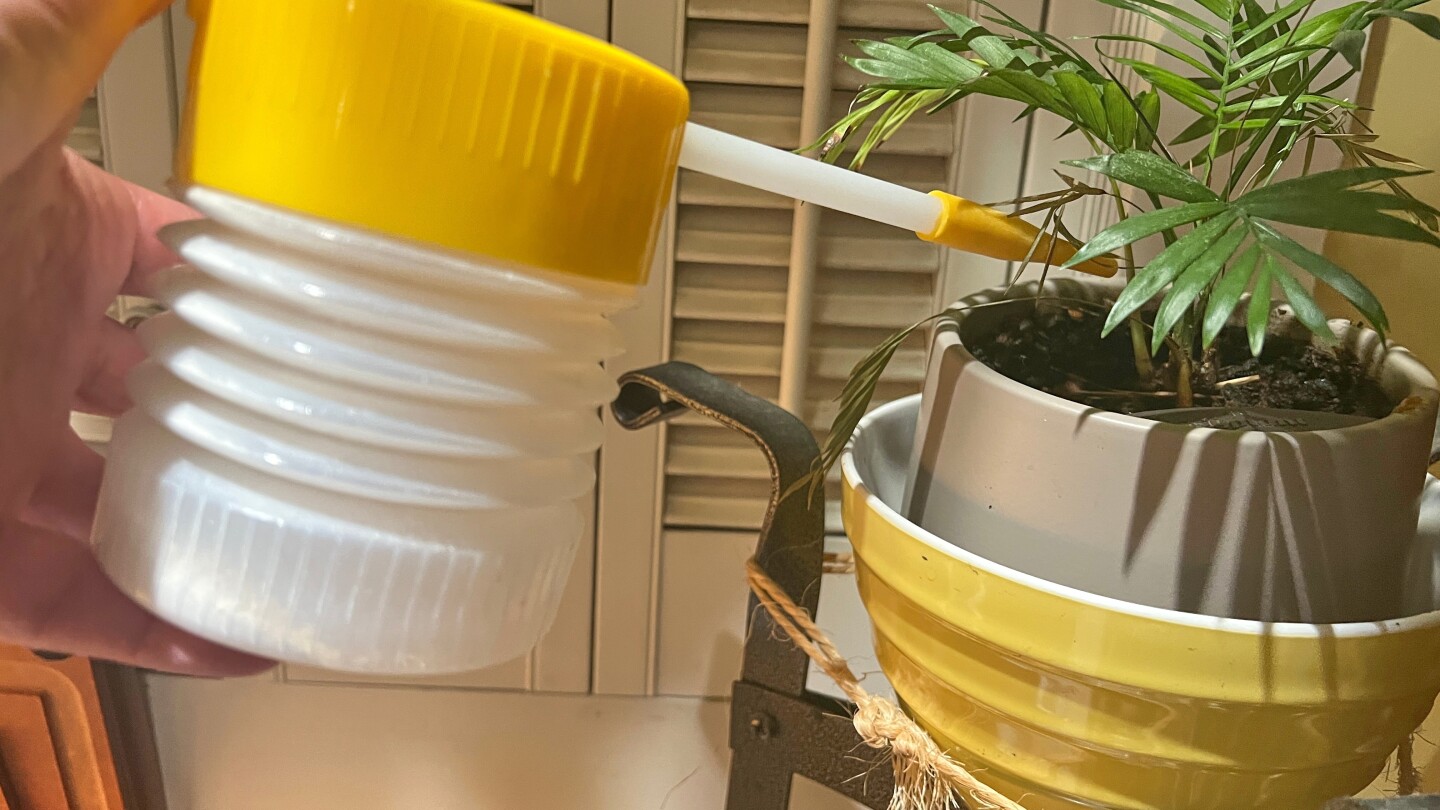
Bottom watering—placing pots in shallow water and allowing the soil to absorb moisture from below—preserves the protective DE layer while providing plants with adequate hydration. This watering method offers the additional benefit of preventing fungal diseases and root rot, making it beneficial regardless of pest concerns.
Even with these precautions, quarantine remains essential when introducing new plants to an existing collection. Experts recommend keeping newcomers isolated in a separate room for three to four weeks, during which regular inspections should continue. This quarantine period allows time for any overlooked pests to become visible before they can spread to other houseplants.
This methodical approach to integrating new plants into a home collection reflects broader trends in indoor gardening, where preventative care is increasingly emphasized over reactive treatments. As interest in houseplants continues to grow across demographic groups, particularly among urban dwellers and younger generations, understanding these basic preventative measures becomes increasingly important for successful plant parenting.
For those seeking more information about plant care and pest prevention, resources like the AP’s gardening hub provide extensive guidance on maintaining healthy indoor and outdoor gardens year-round.
Fact Checker
Verify the accuracy of this article using The Disinformation Commission analysis and real-time sources.

29 Comments
The cost guidance is better than expected. If they deliver, the stock could rerate.
Good point. Watching costs and grades closely.
Good point. Watching costs and grades closely.
Exploration results look promising, but permitting will be the key risk.
Good point. Watching costs and grades closely.
Good point. Watching costs and grades closely.
Production mix shifting toward Business might help margins if metals stay firm.
Good point. Watching costs and grades closely.
Uranium names keep pushing higher—supply still tight into 2026.
Good point. Watching costs and grades closely.
The cost guidance is better than expected. If they deliver, the stock could rerate.
Good point. Watching costs and grades closely.
Silver leverage is strong here; beta cuts both ways though.
Good point. Watching costs and grades closely.
Good point. Watching costs and grades closely.
The cost guidance is better than expected. If they deliver, the stock could rerate.
Interesting update on The secret to pest-free houseplants starts at the nursery. Curious how the grades will trend next quarter.
Exploration results look promising, but permitting will be the key risk.
Good point. Watching costs and grades closely.
Good point. Watching costs and grades closely.
Nice to see insider buying—usually a good signal in this space.
Good point. Watching costs and grades closely.
Uranium names keep pushing higher—supply still tight into 2026.
Good point. Watching costs and grades closely.
Exploration results look promising, but permitting will be the key risk.
Good point. Watching costs and grades closely.
Good point. Watching costs and grades closely.
Exploration results look promising, but permitting will be the key risk.
Interesting update on The secret to pest-free houseplants starts at the nursery. Curious how the grades will trend next quarter.