


Listen to the article
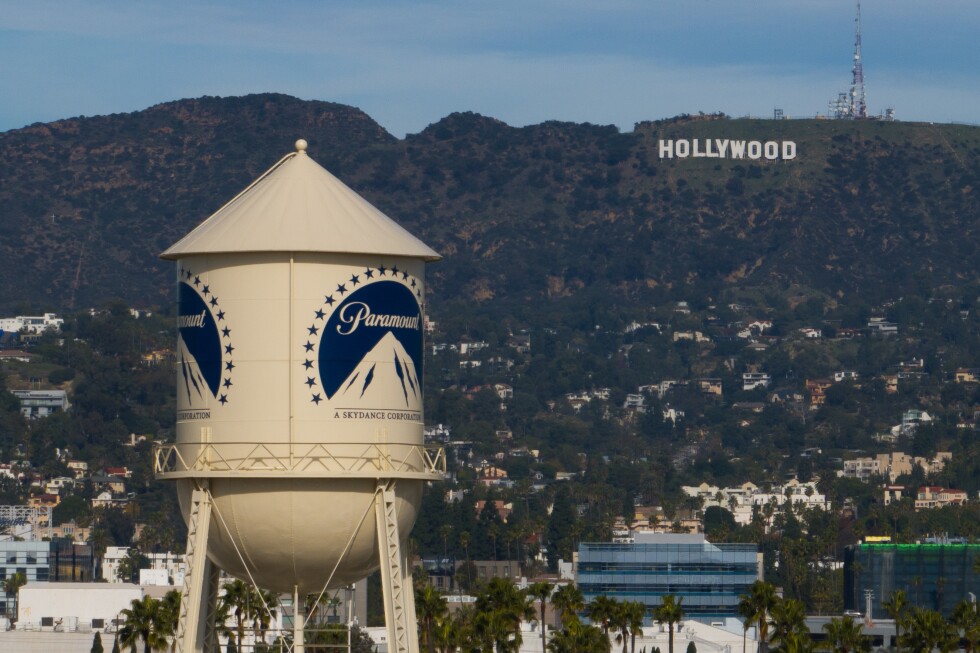
In a dramatic shift for Hollywood’s landscape, Paramount has emerged as the apparent victor in the bid to acquire Warner Bros. Discovery, following Netflix’s unexpected withdrawal from the negotiation table. This development signals a significant consolidation in an industry already transformed by mergers and digital disruption.
Netflix abandoned the pursuit Thursday, stating the deal was no longer “financially attractive.” The streaming giant had previously reached an agreement in December to acquire Warner Bros.’ library, movie studio, and HBO for $27.75 per share. Paramount, which had expressed interest months earlier, launched an aggressive takeover bid that culminated in a $31 per share offer valued at approximately $111 billion including debt.
“We believe we would have been strong stewards of Warner Bros.’ iconic brands,” Netflix’s co-CEOs Ted Sarandos and Greg Peters said in a joint statement. “But this transaction was always a ‘nice to have’ at the right price, not a ‘must have’ at any price.”
Warner Bros. Discovery CEO David Zaslav expressed enthusiasm about the potential merger, stating they “can’t wait to get started working together telling the stories that move the world.”
The acquisition would reduce Hollywood’s major studios from five to four, continuing a trend of industry consolidation that began when Disney acquired 20th Century Fox nearly a decade ago. The remaining major players would include Paramount-Warner, Disney, Universal, and Sony.
Paramount Skydance chairman and CEO David Ellison has outlined ambitious plans for the combined entity, including maintaining Paramount and Warner Bros. as separate operations while increasing their collective annual film output to more than 30 movies. In SEC filings, Paramount emphasized their priority “to build a vibrant, healthy business and industry” that supports creativity, benefits consumers, and strengthens competition.
However, the company has also acknowledged plans to find $6 billion in savings through job cuts in “duplicative operations” – raising concerns about potential layoffs across both organizations.
The proposed merger brings together two studios with vastly different recent track records. Warner Bros. has enjoyed a stellar year both commercially and critically, garnering 30 Oscar nominations and capturing 21% of the domestic box office in 2025 with films like “Sinners,” “One Battle After Another,” and “Weapons.” In contrast, Paramount claimed only 6% market share, failing to place a single film in the top ten domestic releases despite the performance of “Mission: Impossible — The Final Reckoning.”
Industry observers have expressed concerns about the merger’s implications. Cinema United, representing movie theaters, previously opposed Netflix’s bid but has also warned about Paramount’s acquisition, noting it would consolidate approximately 40% of annual domestic box office revenue under one studio.
“We have been clear from the outset about our concerns around consolidation,” said Cinema United’s president and CEO Michael O’Leary. “Studio consolidation historically leads to fewer movies being made, and at this juncture, there is no reason to believe the outcome here will be any different.”
While Paramount has pledged to increase theatrical output, some industry experts remain skeptical. Historian Mark Harris described the promise of 30-40 movies annually as “an absurd fiction,” predicting Warner Bros. would gradually be diminished within the Paramount structure.
Questions remain about the future of the companies’ streaming platforms, HBO Max and Paramount+, with a potential bundling arrangement similar to Disney+ and Hulu being one possibility. The fate of the iconic studio lots – Paramount’s historic 65-acre complex on Melrose Avenue and Warner Bros.’ 110-acre Burbank facility – also remains uncertain amid concerns about production declines in California.
The deal faces regulatory scrutiny, with the U.S. Department of Justice already initiating reviews. International regulators are expected to examine the merger as well, introducing additional uncertainty into the timeline for completion.
As the industry digests this development, the relative silence from Hollywood insiders appears poised to break with several awards events approaching, including Sunday’s Actor Awards, which will likely provide a forum for industry reactions to this transformative consolidation.
Fact Checker
Verify the accuracy of this article using The Disinformation Commission analysis and real-time sources.

13 Comments
The Warner Bros. library is a treasure trove of iconic IP. A Paramount-owned WB could breathe new life into classic franchises and explore creative synergies. However, I hope they don’t neglect developing new original content as well.
Good point. Striking the right balance between leveraging established IP and fostering new creative ideas will be crucial for the combined entity’s long-term success.
While the potential synergies are intriguing, I hope this deal doesn’t lead to a further reduction in the diversity of content and voices in the entertainment industry. Maintaining creative freedom and independent filmmaking should be a priority.
Agreed. Consolidation often comes with the risk of homogenization. The new Paramount-Warner entity should strive to nurture a wide range of storytelling and perspectives to avoid that pitfall.
This deal raises antitrust concerns, as further consolidation in the media industry could reduce consumer choice and pricing power. Regulators will likely scrutinize the transaction closely before granting approval.
Absolutely. The regulators will have to weigh the potential benefits of scale and synergies against the risks of reduced competition. It’s a delicate balance they’ll have to strike.
I’m curious to see how this merger will impact the film industry’s relationship with streaming platforms. Will Paramount prioritize their own streaming service, or will they continue licensing content to third-party platforms?
As a fan of both Paramount and Warner Bros. franchises, I’m cautiously optimistic about the potential of this merger. The combined library of iconic titles could lead to some exciting new projects, but I hope they maintain creative diversity and don’t become too risk-averse.
Interesting development in the entertainment industry. A Paramount-owned Warner Bros. could bring synergies and new creative opportunities, but also raises questions about consolidation and potential impact on consumers. Curious to see how this plays out.
Agree, consolidation in media is a double-edged sword. On one hand, it can drive efficiencies, on the other, reduce competition and diversity. Consumers will be watching closely for any changes to content quality and pricing.
This merger could have significant implications for the future of Hollywood and the broader entertainment industry. It will be interesting to see how it affects content production, distribution, and the competitive landscape.
The withdrawal of Netflix from the bidding process is surprising. I wonder if they determined the asking price was too high or if they’re shifting strategic priorities. Either way, this merger could reshape the entertainment landscape.
Good point. Netflix may have decided the synergies weren’t worth the premium, or they could be focusing more on their own original content. Either way, Paramount seems bullish on the potential of the combined entity.