


Listen to the article
Energy Star Program Survives Trump Administration Cuts Amid Broader Efficiency Rollbacks
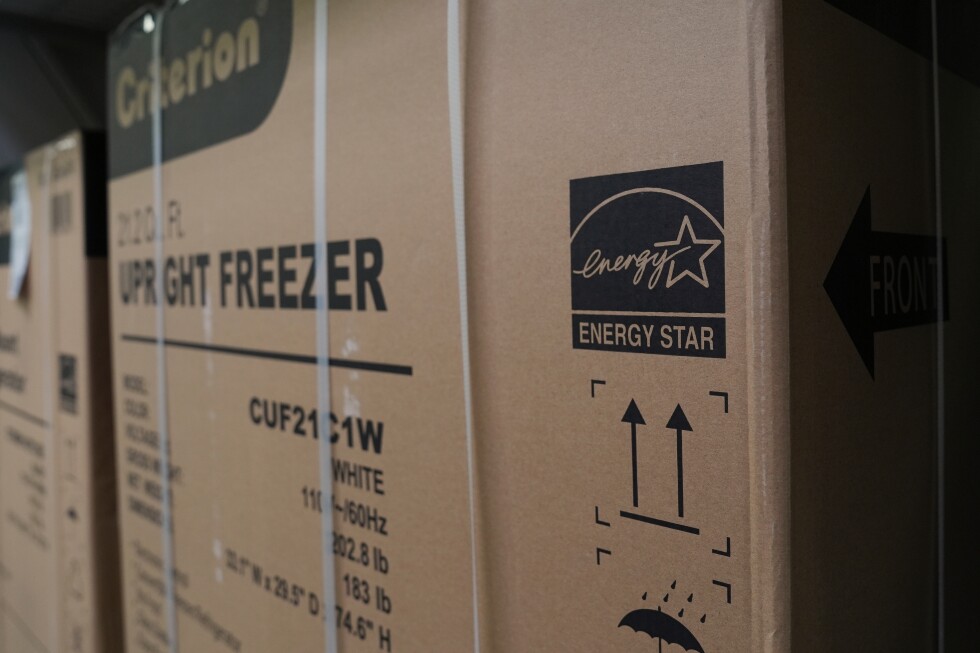
Energy Star, the federal program that guides consumers toward more energy-efficient appliances and electronics, has secured its future despite the Trump administration’s earlier plans to eliminate it. The program received $33 million in funding through budget legislation signed this week by President Donald Trump, slightly more than the $32.1 million allocated in 2024.
The survival of Energy Star represents a rare win for energy efficiency advocates in an administration that has openly targeted efficiency standards. Environmental groups and industry associations, including the Association of Home Appliance Manufacturers, had lobbied extensively to preserve the program, emphasizing its value to consumers and manufacturers alike.
Energy Star, launched in 1992 and administered by the Environmental Protection Agency, helps consumers identify energy-efficient products through its distinctive blue label. According to EPA data, the program has prevented 4 billion metric tons of greenhouse gas emissions over its lifetime while saving the average household approximately $450 annually on utility bills.
Last May, the EPA drafted plans to eliminate Energy Star as part of a broader reorganization targeting environmental protection efforts. The agency framed the proposed changes as “organizational improvements to the personnel structure” that would benefit Americans, but critics saw it as part of a systematic effort to dismantle climate protections.
Despite Energy Star’s reprieve, experts express concern about how effectively the program will operate under a downsized EPA. Amanda Smith, senior scientist at climate research organization Project Drawdown, noted that while consumers likely didn’t notice the uncertainty surrounding the program, EPA’s administrative capacity may have suffered.
When asked about these concerns, EPA spokesperson Brigit Hirsch provided only a brief statement that Administrator Lee Zeldin “will follow the law as enacted by Congress,” leaving questions about staffing and implementation unanswered.
The preservation of Energy Star stands in stark contrast to the administration’s broader assault on efficiency standards. The Department of Energy has proposed rolling back, weakening, or revoking 17 minimum efficiency standards for energy and water conservation as part of 47 broader deregulatory actions.
These standards affect everyday products including air cleaners, ovens, dehumidifiers, portable air conditioners, washers, dishwashers, and faucets. Unlike Energy Star’s voluntary certification, these minimum standards establish legal requirements for products sold in the United States.
“These are standards that are quietly saving people money on their utility bills year after year in a way that most consumers never notice,” said Andrew deLaski, executive director of the Appliance Standards Awareness Project. “The striking thing is that consumers have a huge array of choices in appliances in the market today. Repealing these standards would simply increase cost. It just doesn’t make sense.”
The administration’s targeting of efficiency measures aligns with Trump’s broader energy agenda. His first executive order upon returning to office emphasized “unleashing American energy” and safeguarding “the American people’s freedom to choose” everything from light bulbs to gas stoves. Simultaneously, the administration has sought to block renewable energy development while promoting fossil fuels that contribute to climate change.
Energy efficiency experts warn that weakening standards could have unintended consequences for American manufacturers. While domestic companies would likely continue producing efficient appliances to meet international standards, the U.S. market could be flooded with cheaper, less efficient imports.
“The problem for U.S. manufacturers is that overseas competitors making inefficient products elsewhere could now flood the U.S. market,” deLaski explained. This could undercut American companies that have invested in meeting higher efficiency standards.
The rollback of efficiency standards also threatens to increase energy demand at a time when utilities already face challenges meeting growing needs from data centers and electrification initiatives.
While Energy Star’s survival represents a positive development for energy efficiency advocates, the broader outlook for U.S. energy policy suggests continued tension between environmental protection and the administration’s deregulatory agenda in the coming years.
Fact Checker
Verify the accuracy of this article using The Disinformation Commission analysis and real-time sources.

8 Comments
As an environmentally-conscious consumer, I’m glad the Energy Star program was able to withstand the administration’s attempts to cut it. This labeling system has been invaluable in helping me make informed choices about energy-efficient products for my home.
Agreed, the Energy Star program is a great resource for eco-minded shoppers like myself. It’s reassuring to know this trusted label will continue to be available to guide our purchasing decisions.
The Energy Star program has clearly been a success, with significant greenhouse gas reductions and consumer savings over the years. It’s encouraging to see it survive the efforts to eliminate it, but I wonder what other efficiency initiatives may have been less fortunate.
It’s good to see the Energy Star program survive despite the administration’s attempts to cut it. This program has been hugely beneficial for consumers, helping them save money and reduce their environmental impact through more efficient appliances and electronics.
I agree, the Energy Star label is a simple and effective way for consumers to identify energy-efficient products. Preserving this program is a win for both households and the environment.
While it’s positive that Energy Star was protected, I’m curious to learn more about the broader efficiency efforts that were rolled back under the previous administration. What other programs or standards were affected, and what impact has that had on consumers and the environment?
That’s a good point. It would be helpful to get a full picture of the administration’s actions on energy efficiency and understand the wider implications beyond just the Energy Star program.
While the survival of Energy Star is a positive outcome, it’s troubling to hear that broader efficiency efforts were targeted for rollbacks under the previous administration. I hope the current government will take a more balanced approach to energy policy that prioritizes both consumer and environmental interests.