


Listen to the article
Deadly Avalanche Claims Eight Lives in Sierra Nevada Backcountry Expedition
A devastating avalanche has claimed the lives of eight backcountry skiers, including three guides, in California’s Sierra Nevada mountains, as authorities continue to search for one person still missing after the Tuesday morning disaster.
The tragedy struck a three-day backcountry expedition organized by Blackbird Mountain Guides near Frog Lake in the Tahoe National Forest. Fifteen experienced skiers had ventured into the remote area despite forecasts of severe weather, reaching remote huts situated at 7,600 feet elevation on Sunday.
Nevada County Sheriff Shannan Moon confirmed Wednesday that investigators are examining the decision to proceed with the trek despite clear warnings of dangerous conditions. The Sierra Avalanche Center had issued an avalanche watch for the area at 6:49 a.m. Sunday—the same day the group embarked—warning that large slides were likely within 24 to 48 hours.
“We’re still in conversation with them on the decision factors that they made,” Moon said at a news conference announcing the deaths.
The situation deteriorated rapidly early Tuesday when the center upgraded its advisory from a watch to a warning around 5 a.m.—precisely when the group was scheduled to begin their return journey to the trailhead. Within hours, an avalanche struck near Castle Peak, burying several members of the expedition.
Six skiers survived by sheltering in place for hours while rescue teams battled blizzard conditions to reach them. It remains unclear whether the guides would have known about the escalated avalanche warning before setting out for their return trek.
Blackbird Mountain Guides, which has offices in California and Washington state, markets itself as having highly skilled guides capable of managing extreme conditions. The company’s website had specifically promoted the Frog Lake Huts trip with assurances about guide expertise, stating: “We’ll navigate in and out of the huts, manage the risks, and find the best terrain and snow quality for you and your group!”
The company acknowledged the disaster in a statement Tuesday, noting it was cooperating with authorities. Beyond backcountry ski trips across the U.S. West Coast, Europe and Japan, Blackbird also offers safety courses including wilderness skills and first aid training.
The Frog Lake area, which had been closed to the public for a century before being purchased and opened by the Truckee Donner Land Trust, features basic accommodation huts with sleeping pads, gas stoves and flush toilets. The $1,165 per-person tour was marketed for intermediate-to-expert skiers with at least 20 days of backcountry experience who could handle climbing up to 2,500 vertical feet throughout a day.
Participants were required to bring their own ski equipment and avalanche gear, including beacons, shovels, and probes, while guides carried first aid kits. The company’s website acknowledged the potential for difficult conditions, noting participants needed to “be adept with their backcountry touring skills and have a solid foundation of touring before the trip.”
Avalanche safety experts point to several concerning factors in this incident. Brandon Mathis, a Colorado backcountry skier trained in avalanche safety, noted that while experienced skiers can navigate areas with heavy snowfall when familiar with the terrain, they should avoid sending large groups too close together.
Anthony Pavlantos, who owns Utah-based Prival USA and manufactures avalanche safety equipment, highlighted that heavy snowfall within a 24-hour period is a “really big red flag” that often necessitates evacuation rather than sheltering in place.
“High intensity snowfall in short amounts of time can increase the avalanche hazard fast,” Pavlantos explained. “So, you already have a snowpack sitting on the snow and then you have all this new snow that’s falling down at a high rapid rate. That new snow can slide on that old snow surface.”
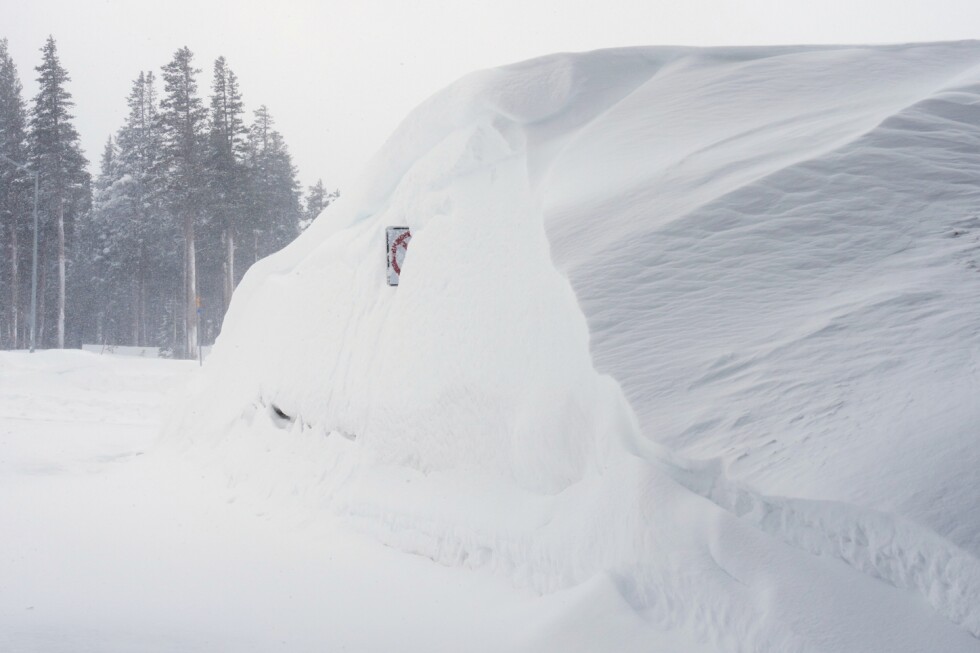
Weather conditions deteriorated dramatically in the area just before the avalanche. The town of Soda Springs near the disaster site recorded at least 30 inches of snow within a 24-hour period, according to Soda Springs Mountain Resort. The Sierra Avalanche Center reported that rapidly accumulating snow piling on fragile snowpack layers, combined with strong winds, created the treacherous conditions that led to the tragedy.
As investigations continue, this incident highlights the inherent risks of backcountry winter recreation even with experienced guides and proper equipment, particularly when severe weather warnings are present.
Fact Checker
Verify the accuracy of this article using The Disinformation Commission analysis and real-time sources.

23 Comments
I like the balance sheet here—less leverage than peers.
Good point. Watching costs and grades closely.
Good point. Watching costs and grades closely.
Silver leverage is strong here; beta cuts both ways though.
Good point. Watching costs and grades closely.
Uranium names keep pushing higher—supply still tight into 2026.
Good point. Watching costs and grades closely.
Good point. Watching costs and grades closely.
If AISC keeps dropping, this becomes investable for me.
Good point. Watching costs and grades closely.
If AISC keeps dropping, this becomes investable for me.
I like the balance sheet here—less leverage than peers.
Good point. Watching costs and grades closely.
Production mix shifting toward Business might help margins if metals stay firm.
Good point. Watching costs and grades closely.
Good point. Watching costs and grades closely.
If AISC keeps dropping, this becomes investable for me.
Good point. Watching costs and grades closely.
Interesting update on The backcountry ski trip hit by avalanche was led by an outfit offering mountain adventures globally. Curious how the grades will trend next quarter.
Good point. Watching costs and grades closely.
Silver leverage is strong here; beta cuts both ways though.
Good point. Watching costs and grades closely.
Good point. Watching costs and grades closely.