


Listen to the article
Tanzania’s President Slashes Motorcade Size as African Nations Grapple with Fuel Crisis
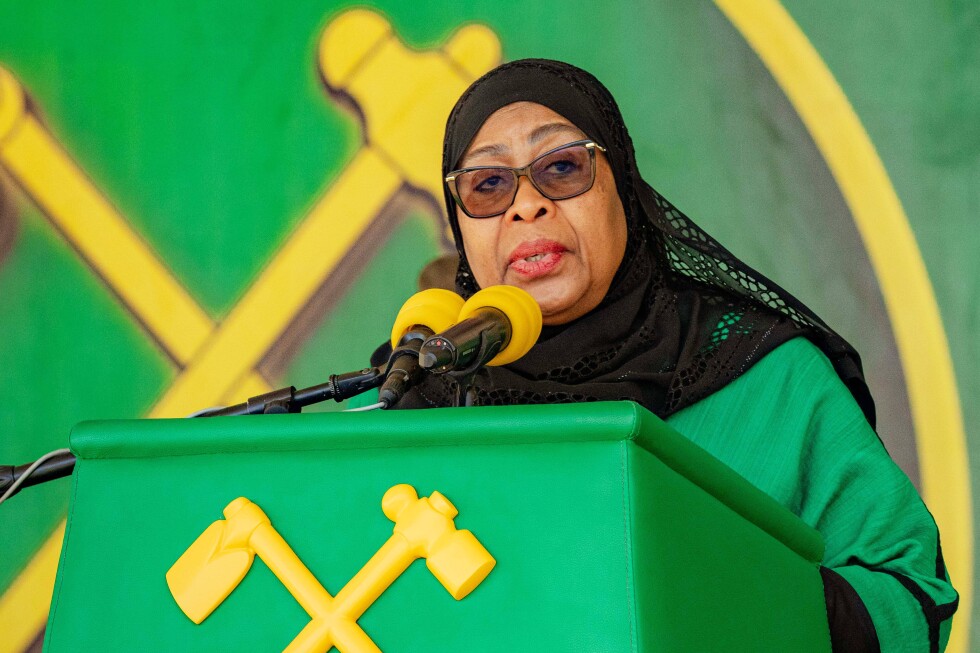
In a move reflecting growing concerns over rising fuel costs across Africa, Tanzanian President Samia Suluhu Hassan announced Wednesday she would significantly reduce the size of her presidential motorcade, which has been renowned as one of the continent’s largest.
“From today, whenever I travel, the officers accompanying me will use consolidated transport in small buses to reduce fuel consumption and operational costs during this period,” President Hassan stated, addressing the economic challenges facing the East African nation.
The presidential motorcade in Tanzania has traditionally featured dozens of luxury vehicles carrying government officials, protocol officers and security personnel. Social media videos of her estimated 30-car convoy had previously sparked widespread discussion about the extravagance of African presidential security details. Hassan’s motorcade has been considered among the longest on the continent.
This reduction comes amid a broader continental struggle with fuel shortages and price increases. Tanzania joins several African nations implementing austerity measures to combat the economic impact of global fuel price spikes. The President assured citizens that Tanzania maintains fuel reserves sufficient for three months but warned businesses against price gouging in response to market pressures.
The fuel crisis has seen prices in Tanzania rise by approximately $0.40 per liter in just two weeks, with global tensions, particularly conflicts in the Middle East and disruptions in the Strait of Hormuz shipping channel, exacerbating the situation.
Across the continent, governments are scrambling to implement various coping strategies. Madagascar has taken the dramatic step of declaring a state of emergency specifically to reduce fuel consumption. South Africa has responded by cutting its fuel levy to provide relief to consumers, while Ethiopia has introduced a rationing system to manage dwindling supplies.
In West Africa, Senegal has banned all non-essential foreign travel for government ministers, demonstrating how the crisis is affecting public administration across the continent.
These measures highlight the vulnerability of African economies to global oil market fluctuations. Many nations on the continent lack significant domestic oil production or refining capacity, making them particularly susceptible to international price volatility. Even oil-producing nations like Nigeria have frequently faced domestic fuel shortages due to limited refining infrastructure.
The fuel crisis comes at a particularly challenging time for African economies still recovering from the impacts of the COVID-19 pandemic and facing inflation in food prices. Higher transportation costs inevitably translate to increased prices for essential goods, potentially threatening food security in regions already facing economic challenges.
President Hassan’s decision to reduce her motorcade size represents a symbolic leadership gesture that acknowledges the hardships facing ordinary Tanzanians. Since taking office following the death of President John Magufuli in 2021, Hassan has worked to implement pragmatic governance reforms while maintaining political stability.
Energy economists note that while such measures may have limited direct impact on national fuel consumption, they demonstrate political will to address the crisis and may encourage broader conservation efforts across society.
The current fuel crisis underscores the urgent need for African nations to diversify their energy sources and invest in renewable alternatives. Several countries, including Tanzania, have been exploring solar, wind, and hydroelectric projects to reduce dependence on imported fossil fuels, but such transitions require significant time and investment.
As global oil markets continue to experience volatility, African governments will likely need to implement additional measures to mitigate the economic impact on their populations while pursuing longer-term energy security strategies.
Fact Checker
Verify the accuracy of this article using The Disinformation Commission analysis and real-time sources.

18 Comments
A practical move by the Tanzanian president to cut down on fuel costs during these challenging times. Reducing the size of presidential motorcades is a common-sense way to lead by example and conserve precious resources.
Agreed. Setting a good example from the top can go a long way in inspiring others to make similar adjustments to their own fuel usage.
While a relatively small measure, the president’s decision to downsize the motorcade shows an awareness of the economic realities facing Tanzania and a willingness to lead by example. Curious to see if other African nations follow suit.
Good point. If more presidents and prime ministers take similar actions, it could spur a broader shift in government spending and resource use across the continent.
Interesting to see the Tanzanian president taking action to reduce her administration’s fuel consumption. Cutting the size of the presidential motorcade is a symbolic yet practical move during this period of economic strain.
Absolutely. It will be worth watching to see if this sets off a trend among other African governments seeking to manage rising fuel costs and shortages.
Reducing the size of the presidential motorcade is a sensible decision by the Tanzanian president to cut fuel usage and costs. It’s a pragmatic step that could inspire other African leaders to reevaluate their own government’s resource consumption.
Agreed. This type of leadership by example can go a long way in demonstrating the need for fiscal responsibility and efficiency, especially during challenging economic times.
The Tanzanian president’s choice to downsize the presidential motorcade is a smart, symbolic move to address rising fuel costs and shortages across Africa. It will be interesting to see if this sets a precedent for other governments to follow suit.
Absolutely. Even small steps like this can have a meaningful impact, both in terms of direct savings and in setting an example for others to emulate.
This is a pragmatic move by the Tanzanian president to reduce fuel consumption and costs during a challenging economic period. Trimming the size of the presidential motorcade is a symbolic yet substantive step.
Agreed. It will be interesting to see if this policy change has a ripple effect on other government operations and spending in Tanzania.
It’s encouraging to see an African leader taking concrete steps to address the fuel crisis impacting the continent. Trimming the presidential motorcade is a symbolic yet meaningful gesture.
Absolutely. Small but significant steps like this can add up and inspire broader policy changes to tackle rising fuel costs and shortages.
Kudos to President Hassan for taking this decisive action to cut fuel usage by her administration. Reducing the size of the presidential motorcade is a tangible way to lead by example and manage scarce resources.
Absolutely. It’s a smart, low-cost move that can have a meaningful impact, especially if it prompts other African leaders to make similar adjustments.
This is a sensible step by the Tanzanian president to address the continent’s fuel crisis. Trimming the presidential motorcade, a symbol of power and status, is a pragmatic move during challenging economic times.
Agreed. It will be interesting to see if this sets a precedent for other African leaders to reevaluate their own government’s fuel usage and spending.