


Listen to the article
Amazon Oil Exploration Transforms Remote Brazilian City, Sparking Hopes and Fears
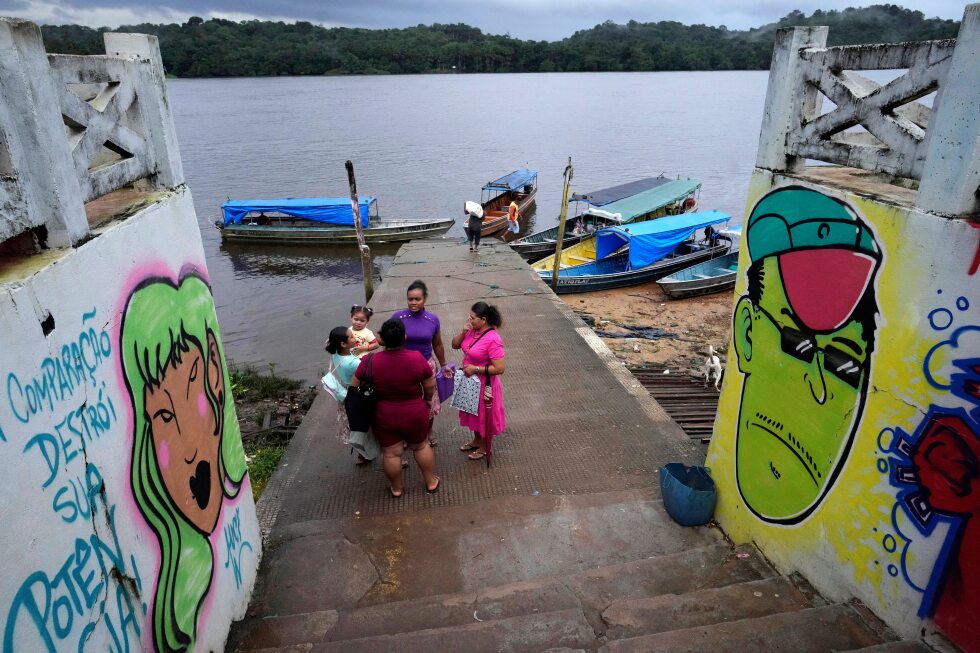
In the remote northeastern corner of Brazil, the small city of Oiapoque is experiencing the early tremors of what could become an economic earthquake. Since Petrobras, Brazil’s state oil company, began exploratory drilling off the coast of the Amazon rainforest, thousands of migrants have flooded into this frontier town, dramatically altering its landscape and straining its limited infrastructure.
The city, which sits on the border with French Guiana, has traditionally relied on fishing, illegal gold mining, and cross-border commerce to sustain its economy. Now, the promise of oil wealth has triggered a population surge that local officials say is overwhelming the community.
“Seven new neighborhoods have emerged, some in areas where pristine rainforest stood just a year ago,” says Tiago Vieira Araújo, a city councilman. Residents complain that schools are overcrowded, and the city’s only hospital is operating at maximum capacity as newcomers continue to arrive daily.
For migrants like Reginaldo Nunes Fonseca, who traveled from the northeastern state of Maranhao after watching a television report about Petrobras receiving its exploration license in January, the potential for employment was enough motivation to uproot his life. He’s one of thousands who have cleared forest areas to build makeshift housing while waiting for jobs they believe the oil industry will eventually bring.
“Petrobras arrived in the city with strong political backing, promising progress as if we would go to sleep one way and wake up like Dubai,” says Renata Lod, a representative on Oiapoque’s Indigenous council. “The reality is completely disorganized population growth and invasion of Indigenous lands.”
Environmental advocates have raised serious concerns about the potential ecological impact of offshore drilling in this sensitive region. The area near the mouth of the Amazon River contains unique coral reef systems and mangrove forests that support diverse marine life and the livelihoods of local fishing communities.
Environmental groups warn that an oil spill could have catastrophic consequences for these ecosystems. The threat is significant enough that federal prosecutors have asked Brazil’s environmental regulator, IBAMA, to annul or suspend Petrobras’ environmental license, arguing that the company’s impact studies are insufficient and downplay potential risks.
Petrobras has defended its operations, stating that it conducted thorough spill modeling to secure the license and has deployed drifting devices to monitor ocean currents since beginning exploration in October. However, the company has already experienced problems. In January, Petrobras reported a drilling-fluid leak that temporarily halted operations, resulting in a 2.5 million reais ($470,500) fine from IBAMA.
The situation in Oiapoque highlights a fundamental contradiction in Brazil’s approach to energy development and environmental protection. President Luiz Inácio Lula da Silva, who hosted the United Nations climate summit (COP30) last year, has positioned Brazil as a leader in the global effort to phase out fossil fuels—the primary drivers of climate change. His administration has made protecting the Amazon rainforest a centerpiece of its environmental policy.
Yet simultaneously, Brazil continues to promote oil exploration that could threaten both the rainforest and the country’s climate commitments. This apparent contradiction reflects the dilemma facing many developing nations: balancing environmental protection with economic development that could potentially lift communities out of poverty.
For Oiapoque’s residents, both longtime locals and recent arrivals, the future remains uncertain. The exploratory drilling may yet reveal commercially viable oil deposits, potentially transforming the regional economy but also bringing unprecedented environmental risks. Alternatively, if no significant oil is found, the city could be left with a swollen population and insufficient infrastructure, having lost precious rainforest areas to speculative development.
As one local fisherman put it: “They promise us wealth, but we already have wealth in our rivers and forests. If an oil spill comes, what will we have then?”
Fact Checker
Verify the accuracy of this article using The Disinformation Commission analysis and real-time sources.

10 Comments
The population surge and strain on infrastructure in Oiapoque is a sobering reminder of the disruption that resource development can bring to remote communities. Balancing economic opportunity with social and environmental sustainability will be a major challenge.
I wonder if there are any best practices or lessons learned from other resource boom towns that could help guide the development in Oiapoque.
This story underscores the importance of responsible resource development that considers the needs and impacts on local communities. Careful planning and investment will be key to ensuring the benefits of oil exploration are shared equitably.
It’s fascinating to see how the lure of potential oil wealth is transforming this small Brazilian town. While economic opportunities are welcome, the strain on public services is worrying. Sustainable development will be crucial.
Do you think the local authorities have the resources and planning capabilities to manage this rapid influx of migrants and development?
This is an interesting story about the impacts of oil exploration on local communities in Brazil. It’s important to understand how resource development can transform remote regions and strain local infrastructure and services.
Do you think the local government is prepared to manage the rapid population growth and development in Oiapoque?
This highlights the complex social and environmental impacts that can come with resource extraction in remote regions. It will be important to balance economic development with protecting the local environment and community needs.
The influx of migrants seeking opportunities in the oil industry is understandable, but it’s concerning to hear about the strain on Oiapoque’s limited resources. Careful planning and investment will be crucial to ensure sustainable development.
I wonder what steps Petrobras and the government are taking to support the local community and infrastructure as this oil project progresses.