


Listen to the article
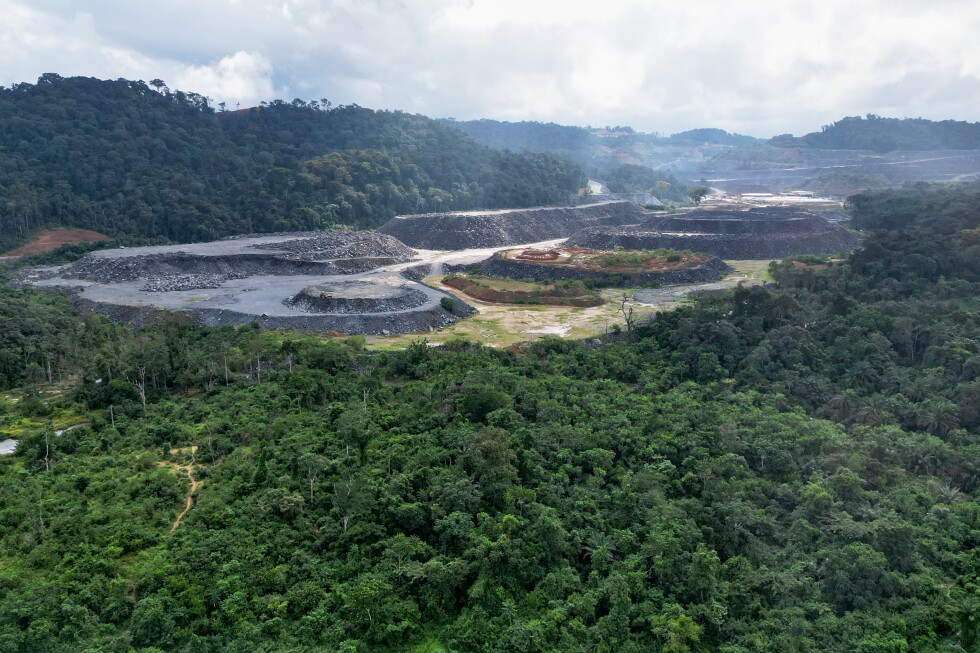
An investigation by The Associated Press and The Gecko Project has uncovered alarming environmental violations at Liberia’s largest gold mining operation, where toxic chemicals have repeatedly spilled into local waterways, devastating communities and ecosystems.
Bea Mountain Mining Corporation, which operates five mining sites across Liberia, has released cyanide, arsenic, and copper at levels exceeding legal limits on multiple occasions since 2016, according to reports from Liberia’s Environmental Protection Agency (EPA). The documents, which were later removed from the EPA’s website but retrieved by investigators, reveal a pattern of environmental negligence spanning several years.
The first documented spill occurred during the mine’s first month of full operation in 2016, with the most recent recorded in 2023. In a particularly troubling 2022 incident, the company failed to alert regulators within the required 72-hour window. Downstream villagers collected dead fish from contaminated waters, considering them a “gift from God” before many reported falling ill. No medical testing was conducted to establish a direct link to the pollution.
“These incidents point to failures in corporate responsibility that can only be described as sustained negligence,” said Mandy Olsgard, a Canadian toxicologist who reviewed the EPA reports.
The environmental impact has fueled growing frustration among residents of affected areas, particularly in Gogoima and Kinjor villages. Beyond water pollution, villagers have complained about homes damaged by mining explosions and wildlife displacement. In 2024, tensions erupted into protests, with residents claiming police responded with excessive force resulting in three fatalities—allegations the Liberia National Police spokesperson Cecelia Clarke called “false and misleading.”
Despite multiple documented violations, regulatory action has been minimal. EPA inspectors repeatedly recommended fines, but only one penalty was issued—a $99,999 fine in 2018 that was mysteriously reduced to $25,000. The current EPA leadership, which took office in 2024, stated they had ordered Bea Mountain to hire an EPA-certified consultant and reinforce the tailings dam, though they did not specify when these measures were implemented.
Mining represents more than half of Liberia’s GDP, with the government holding a 5% stake in Bea Mountain’s operations. Between July 2021 and December 2022, the company exported more than $576 million worth of gold and contributed $37.8 million to government coffers. However, local communities received just $2 million—0.35% of export revenues—for environmental and social programs during this period.
The gold mined by Bea Mountain is sold to Swiss refiner MKS PAMP, which supplies some of the world’s largest technology companies including Nvidia and Apple, though the investigation could not confirm which companies ultimately used the Liberian gold. When questioned, MKS PAMP revealed it had commissioned an independent assessment of Bea Mountain’s largest mine in early 2025, which identified health and safety concerns but found “no basis to cut ties.” The refiner declined to share detailed findings, citing confidentiality, but stated it would terminate the relationship if improvements aren’t made.
Bea Mountain is controlled by Murathan Günal through Avesoro Resources. Murathan is the son of Turkish billionaire Mehmet Nazif Günal, whose business empire includes the Mapa Group. Neither Avesoro Resources nor Mapa Group responded to requests for comment.
In October, Liberia’s outspoken minister of mines, Wilmot Paye, said he was “appalled by the harm being done to our country” and announced a government review of all concession agreements. Shortly after making these statements, Paye was dismissed from his position.
Despite the documented violations and community outcry, Bea Mountain continues to explore new gold reserves throughout Liberia, raising concerns about potential environmental impacts in other regions of the country where regulatory enforcement remains weak.
The World Bank has previously cited limited government capacity as a factor in Liberia’s weak enforcement of mining regulations—a systemic challenge that continues to allow corporations to operate with minimal accountability while local communities bear the environmental and social costs.
Fact Checker
Verify the accuracy of this article using The Disinformation Commission analysis and real-time sources.

8 Comments
The lack of transparency and failure to alert regulators in a timely manner are deeply troubling. Mining companies must be accountable for their environmental impact and take immediate action to address any violations. The health and wellbeing of local communities should be the top priority.
Toxic spills from gold mining operations can have far-reaching and long-lasting impacts. It’s critical that regulators in Liberia strengthen enforcement and hold mining companies to high environmental standards to protect vulnerable communities and natural resources.
This report highlights the importance of responsible mining practices and robust environmental regulations. The repeated incidents at the Bea Mountain Mining sites suggest a systemic failure that needs to be urgently addressed to prevent further harm.
You make an excellent point. Mining companies operating in developing countries must be held to the same high standards as in more developed nations. Protecting the environment and local communities should be a top priority.
This is a concerning report on the environmental impact of gold mining in Liberia. Repeated toxic spills into local waterways are deeply troubling and point to a lack of proper oversight and enforcement. The health and livelihoods of communities downstream must be protected.
Absolutely, the failure to alert regulators in a timely manner is especially egregious. Mining companies need to be held accountable for environmental violations and their impacts on vulnerable populations.
The pattern of negligence and lack of transparency from Bea Mountain Mining Corporation is really alarming. Proper environmental safeguards and monitoring seem to be lacking, with devastating consequences for the local ecosystem and people. This needs urgent action to prevent further harm.
You’re right, the fact that no medical testing was done to establish a direct link between the pollution and villagers falling ill is very concerning. Rigorous investigation and remediation efforts are critical in a situation like this.