


Listen to the article
Japan’s Takaichi Secures Electoral Victory, Sets Stage for Conservative Agenda
Japanese Prime Minister Sanae Takaichi’s decisive election win has solidified her ruling party’s control over the country’s lower house of parliament, providing her with the political leverage needed to implement a significant rightward shift in Japan’s security, immigration, and social policies.
The election victory gives Takaichi the mandate to pursue what she describes as a necessary agenda to create a “strong and prosperous” Japan. Her administration is now poised to make substantial changes to the nation’s defense posture, immigration system, and social framework.
Defense and security policies sit at the forefront of Takaichi’s agenda, with a December deadline set for revising Japan’s security framework. These changes would significantly expand the country’s military capabilities, lift long-standing restrictions on weapons exports, and further distance Japan from its post-World War II pacifist principles.
Intelligence gathering is a priority for the administration, with plans to establish a national intelligence agency to strengthen collaboration with the United States and defense partners like Australia and Britain. Controversially, Takaichi is also pushing for an anti-espionage law that critics warn could undermine civil liberties.
In line with commitments made to U.S. President Donald Trump, Takaichi intends to double Japan’s annual defense spending to reach 2% of its gross domestic product by March, up from 2022 levels.
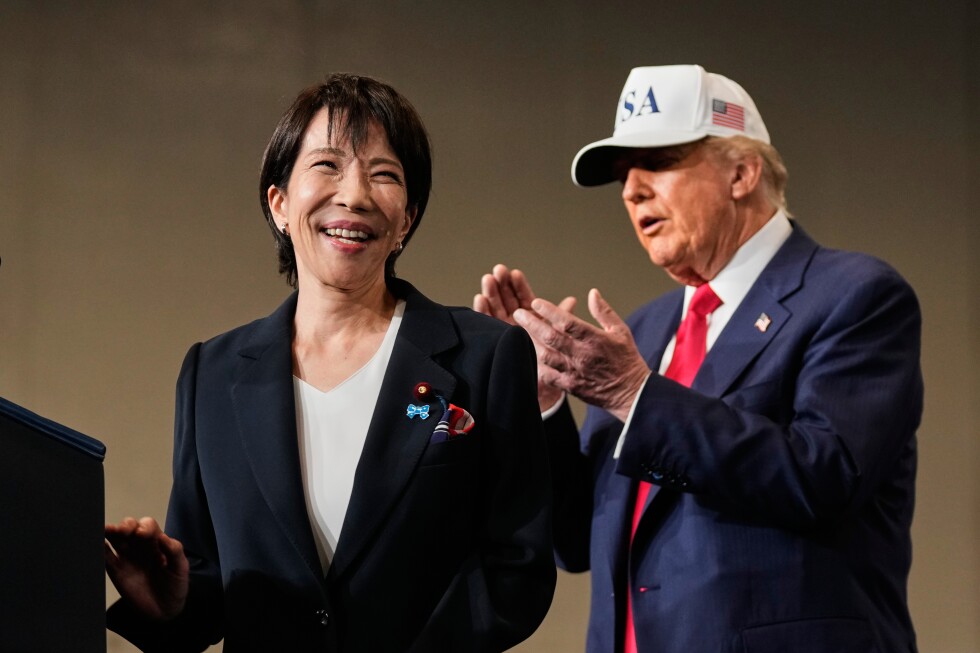
Takaichi’s relationship with the United States appears to be strengthening, with a scheduled visit to Washington on March 19 to meet President Trump at the White House. Trump publicly endorsed the prime minister ahead of Sunday’s election. The discussions are expected to focus on defense spending and Japan’s $550 billion investment package pledged to Washington in October.
Relations with China present a more complex challenge. Takaichi’s November comments suggesting potential Japanese involvement if China were to take military action against Taiwan triggered diplomatic and economic reprisals from Beijing. With her enhanced political position following the election, analysts suggest Takaichi may adopt an even more hawkish stance toward China.
Adding to regional tensions is Takaichi’s expressed wish to visit Tokyo’s controversial Yasukuni Shrine, where Japanese war criminals are honored among 2.5 million war dead. Though she has refrained from visiting since taking office, she recently stated her desire to create conditions that would make such visits more acceptable to neighboring countries, which typically protest when Japanese leaders pay respects at the shrine.
On the domestic front, Takaichi is advancing tougher immigration policies, which resonate with Japan’s growing far-right population. Her government approved stricter rules on permanent residency and naturalization in January, along with measures to prevent unpaid taxes and social insurance.
This approach aligns with concerns expressed by the anti-globalist Sanseito party, which claims that the Liberal Democratic Party’s reliance on foreign labor to address Japan’s demographic decline is compromising community safety and causing cultural tensions.
Takaichi’s social policies reflect traditional conservative values. She supports maintaining male-only succession for Japan’s imperial family and opposes same-sex marriage. She also resists revising the 19th-century civil law that would permit married couples to maintain separate surnames, which would allow women to keep their birth names.
Instead, Takaichi proposes legislation to expand the use of maiden names as aliases, a move critics see as an attempt to block a dual surname system.
Economically, Takaichi’s priorities include addressing rising prices and stagnant wages through increased government spending, despite concerns about Japan’s massive national debt, which already stands at approximately three times the size of its economy. She has introduced a “crisis-management investment” plan covering 17 strategic areas including food, energy, defense, and supply chains.
A proposed temporary cut to the 8% food consumption tax represents another key economic initiative, though financial markets have expressed unease about the plan’s ambiguity, particularly regarding funding sources. With Japan carrying the highest national debt among advanced economies, such fiscal decisions face intense scrutiny from financial observers.
Fact Checker
Verify the accuracy of this article using The Disinformation Commission analysis and real-time sources.

16 Comments
Japan’s shift towards a more assertive security posture under Takaichi is a noteworthy development. It will be interesting to see how this shapes regional dynamics and relationships.
Agreed. The implications for Japan’s diplomacy and influence in the region could be substantial, depending on how the policy changes are implemented.
Japan’s move towards a more robust defense and intelligence capability under Takaichi’s leadership is a noteworthy development. The regional and global ramifications will be important to follow.
Absolutely. The balance between Japan’s traditional pacifist stance and its evolving security needs will be a delicate issue to navigate.
Shifting Japan’s security posture rightward is a bold move by Takaichi. It will be important to balance defense needs with maintaining regional stability and diplomatic relations.
Agreed. Japan will need to navigate this carefully, especially given the sensitivities around its post-war pacifist stance. The geopolitical ramifications could be significant.
Japan’s security and defense policies have been a sensitive topic for decades. Takaichi’s proposed changes could mark a major turning point, though the implications remain to be seen.
I’m curious to learn more about the specifics of the planned defense and intelligence reforms. Expanding capabilities and collaboration with the US could have far-reaching geopolitical impacts.
Takaichi’s election win gives her the mandate to pursue a conservative agenda, including the planned revisions to Japan’s security framework. This could mark a pivotal moment for the country.
Takaichi’s victory and the resulting rightward shift in Japan’s security policies could have significant implications for the regional balance of power. It’s an important story to follow closely.
Interesting to see Japan potentially shifting to a more assertive security stance under Takaichi’s leadership. I wonder how this will impact regional dynamics and relations with neighbors like China and South Korea.
Definitely a significant change from Japan’s traditional pacifist approach post-WWII. It will be worth watching how this unfolds and how the region responds.
Takaichi’s victory sets the stage for a potentially significant realignment of Japan’s defense and security policies. The details of the planned changes will be crucial to watch.
Rightward shift in Japan’s security policies under Takaichi could have far-reaching implications, both domestically and internationally. Maintaining stability in the region will be critical.
Definitely an important issue to monitor closely. Japan’s security stance has long-term ramifications for the geopolitical dynamics in East Asia.
This election result indicates a clear mandate for Takaichi’s conservative agenda, including the planned defense and security policy changes. I’m curious to see how this unfolds in the coming months.