


Listen to the article
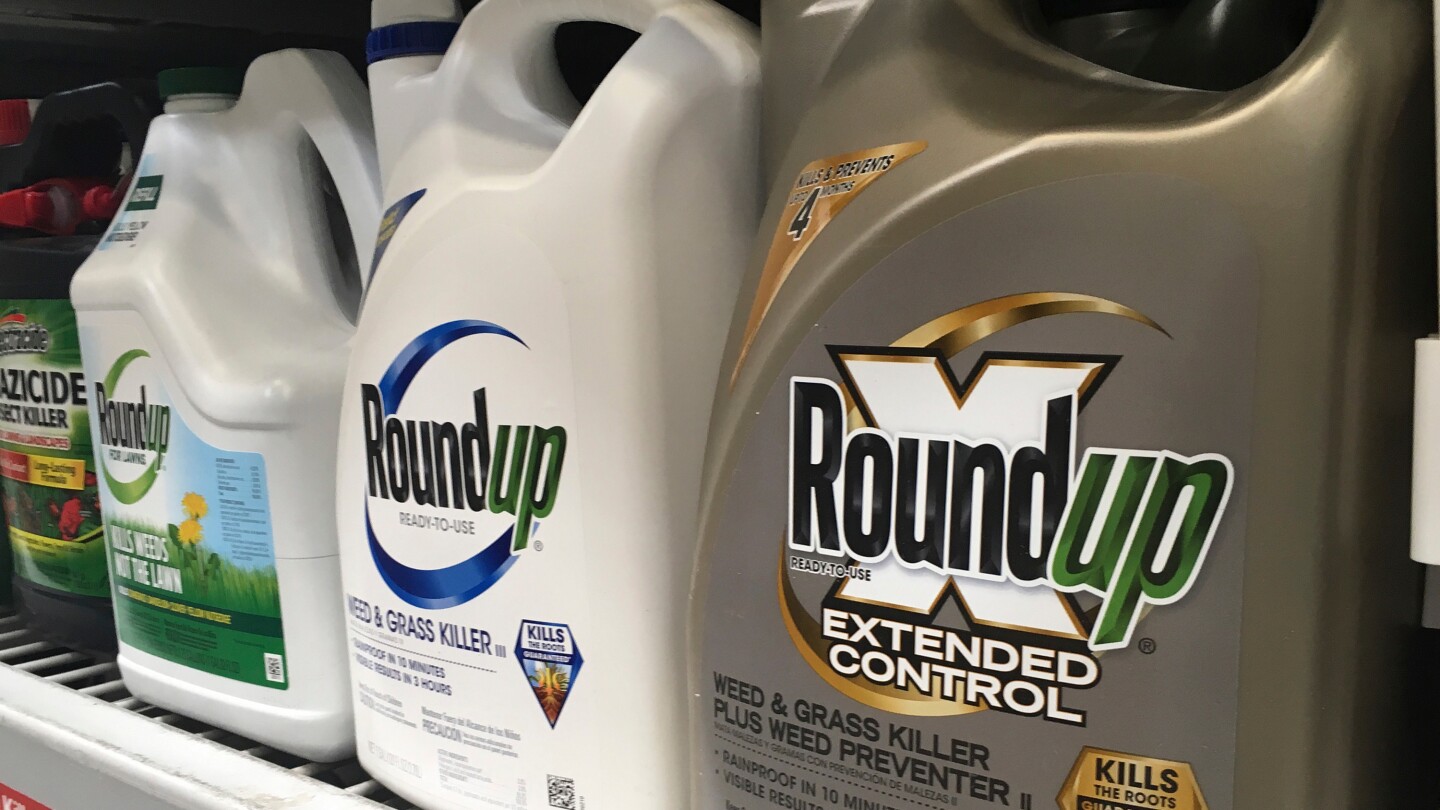
The Supreme Court agreed on Friday to hear an appeal from global agrochemical manufacturer Bayer seeking to block thousands of state lawsuits that claim its popular weedkiller Roundup causes cancer and that the company failed to properly warn consumers of the risk.
The justices will consider whether the Environmental Protection Agency’s approval of Roundup without requiring a cancer warning should preempt state court claims against the company. The case represents a critical juncture for Bayer, which has struggled with litigation since acquiring Monsanto, the original maker of Roundup, in 2018.
In a significant political development, the Trump administration has intervened to support Bayer’s position, reversing the stance previously taken by the Biden administration. This shift puts the administration at odds with some supporters of health-focused initiatives who oppose granting the company the legal immunity it seeks.
At the center of the controversy is glyphosate, Roundup’s key ingredient. Some scientific studies have associated glyphosate with cancer, though the EPA has maintained that the chemical is “not likely to be carcinogenic to humans” when used according to label directions.
Bayer continues to dispute the cancer claims but has already set aside $16 billion to settle existing cases. Simultaneously, the company has pursued legislative solutions, lobbying states to enact laws that would bar such lawsuits. So far, Georgia and North Dakota have passed such legislation.
The specific case the Supreme Court will review comes from Missouri, where a jury awarded $1.25 million to a plaintiff who developed non-Hodgkin’s lymphoma after spraying Roundup in a community garden in St. Louis.
This isn’t the first time Bayer has sought Supreme Court intervention. In 2022, the court declined to hear a similar appeal in a California case that resulted in an $86 million award to a married couple. However, Bayer argues that the legal landscape has changed, with lower courts now issuing conflicting rulings. The company received a favorable decision from the 3rd U.S. Circuit Court of Appeals earlier this year.
The scale of the litigation is massive. Bayer faces approximately 181,000 Roundup claims, primarily from residential users. In response to the litigation pressure, the company has already removed glyphosate from Roundup products sold in the U.S. residential lawn and garden market, though the chemical remains in agricultural formulations.
Glyphosate plays a significant role in modern agriculture, particularly in conjunction with genetically modified crops engineered to withstand the herbicide while weeds around them die. This technology has allowed farmers to increase productivity while reducing soil tillage, a practice that can help conserve soil health.
Bayer has signaled that the ongoing litigation may force drastic measures. The company has indicated it might consider withdrawing glyphosate from U.S. agricultural markets entirely if the lawsuits continue unabated.
“It is time for the U.S. legal system to establish that companies should not be punished under state laws for complying with federal warning label requirements,” said Bayer CEO Bill Anderson in a statement following the Supreme Court’s decision to hear the case.
Environmental advocates view the situation differently. They argue that Bayer is seeking to bypass jury trials because it has consistently lost these cases in state courts.
“It’s a sad day in America when our highest court agrees to consider depriving thousands of Roundup users suffering from cancer of their day in court,” said Lori Ann Burd, environmental health director at the Center for Biological Diversity.
The timing for arguments in the case remains uncertain. The Court could hear the case during the current term’s spring session or delay until the start of the next term in October 2024. The eventual ruling will have far-reaching implications for product liability law, federal preemption doctrine, and the agricultural chemical industry.
Fact Checker
Verify the accuracy of this article using The Disinformation Commission analysis and real-time sources.

12 Comments
Bayer’s struggles with the Roundup litigation since acquiring Monsanto highlight the risks companies can face when taking on legacy legal issues. This case will set an important precedent for how such liabilities are handled.
As a consumer, I’m very concerned about the potential health risks of glyphosate and other commonly used pesticides and herbicides. I hope the Supreme Court takes a strong stance in favor of public safety in this case.
Interesting to see the Supreme Court weigh in on this longstanding legal battle over the Roundup weedkiller. The outcome could have major implications for Bayer and for consumer safety and environmental protection regulations.
This is a complex issue with a lot of stakeholders involved. I hope the Supreme Court is able to make a fair and well-reasoned decision that prioritizes public health and safety over corporate interests.
Given the high-profile nature of this case, I expect it will receive a lot of public attention. It will be interesting to see how the media and public react to the court’s eventual ruling.
This case is just one example of the ongoing battles between corporate interests and public welfare when it comes to the use of potentially harmful chemicals. I’ll be following this closely to see how it unfolds.
The legal battle over Roundup is just one example of the ongoing challenges in balancing economic priorities with environmental and public health concerns. These types of cases are likely to become more common in the years ahead.
I’m curious to learn more about the EPA’s shifting stance on the carcinogenic risks of glyphosate, the key Roundup ingredient. Has the science changed or is this more of a political calculation?
This case highlights the ongoing tension between corporate interests, regulatory oversight, and public health concerns. It will be important to see how the court balances these competing factors in its decision.
Absolutely. The court’s ruling could set an important precedent for how much legal immunity companies can claim for their products, even in the face of health and safety risks.
The shifting political dynamics around this case, with the Trump administration now supporting Bayer’s position, add an extra layer of complexity. I’m curious to see how this plays out in the current polarized political climate.
Agreed, the political maneuvering around this case is quite fascinating. It will be important to closely follow any potential conflicts of interest or undue influence from industry lobbyists.