


Listen to the article
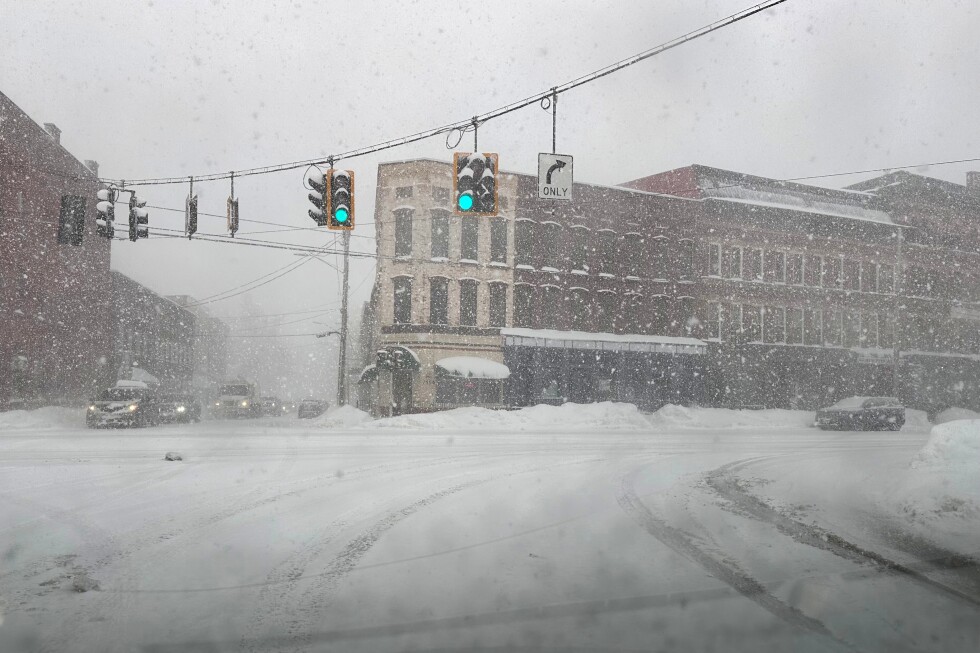
Winter weather disruptions have caused thousands of flight cancellations across the United States as a major storm threatens to bring snow, sleet, ice and extensive power outages to approximately half of the country. Weather experts warn the damage could rival that of a hurricane, especially in areas hit by ice.
As travel plans are upended, passengers should be aware that U.S. airlines are legally required to provide refunds when flights are canceled, regardless of the reason. This protection remains in place even for travelers with non-refundable tickets.
American Airlines, which has already canceled more than 1,200 flights scheduled for Saturday according to aviation analytics firm Cirium, is waiving change fees for passengers affected by the storm. The Texas-based carrier has also added extra flights to and from Dallas-Fort Worth International Airport through at least Sunday, creating more than 3,200 additional seats to accommodate disrupted travelers.
Industry experts recommend that travelers monitor weather forecasts closely and check for airline travel alerts online. Most major carriers offer options to postpone trips by a few days without incurring change fees during severe weather events. Before heading to the airport, passengers should verify their flight status using airline mobile apps, as cancellations can occur hours or even days before scheduled departure times.
For travelers whose flights have been canceled, immediate action is recommended. Those already at the airport should get in line to speak with a customer service representative, while those still at home can call the airline’s reservation line or use their website. In either case, researching alternative flights while waiting for assistance can prove valuable.
While most airlines will rebook passengers on later flights at no additional charge, availability depends on open seats. Airlines aren’t legally required to book passengers on competitor carriers, though some major airlines may place travelers on partner airlines when possible.
If a passenger chooses not to take a rebooked flight or finds another way to reach their destination, airlines must provide a full refund, even for non-refundable tickets. This refund should include any additional fees for baggage, seat upgrades, or other extras that weren’t used. Credit card refunds should be processed within seven business days after declining alternative options, while refunds for tickets purchased with cash or check must be processed within 20 calendar days.
Unlike in Europe, U.S. airlines aren’t required by the Department of Transportation to compensate passengers for meals or lodging when flights are canceled due to “uncontrollable” events like severe weather. However, each airline has its own policies for assisting passengers stranded by “controllable” disruptions such as maintenance issues, crew shortages, or computer outages. The Transportation Department maintains a website where travelers can view what each airline promises in such situations.
Kyle Potter, executive editor of Thrifty Traveler, suggests booking backup flights when severe weather threatens travel plans. Some airlines offer full refunds if travelers cancel within 24 hours of booking, making them good options for contingency plans.
When customer service lines are overwhelmed during major disruptions, travelers with companions who have higher frequent-flyer status can utilize priority numbers. Another strategy is to call the airline’s international support number, as those agents can often provide the same rebooking services with shorter wait times.
As this winter storm continues to affect travel across the United States, staying informed and understanding passenger rights will be crucial for affected travelers in the coming days.
Fact Checker
Verify the accuracy of this article using The Disinformation Commission analysis and real-time sources.

35 Comments
The cost guidance is better than expected. If they deliver, the stock could rerate.
Good point. Watching costs and grades closely.
Exploration results look promising, but permitting will be the key risk.
Good point. Watching costs and grades closely.
Uranium names keep pushing higher—supply still tight into 2026.
Silver leverage is strong here; beta cuts both ways though.
Good point. Watching costs and grades closely.
I like the balance sheet here—less leverage than peers.
Nice to see insider buying—usually a good signal in this space.
Good point. Watching costs and grades closely.
Good point. Watching costs and grades closely.
Production mix shifting toward Business might help margins if metals stay firm.
Good point. Watching costs and grades closely.
Nice to see insider buying—usually a good signal in this space.
Good point. Watching costs and grades closely.
Good point. Watching costs and grades closely.
The cost guidance is better than expected. If they deliver, the stock could rerate.
Good point. Watching costs and grades closely.
I like the balance sheet here—less leverage than peers.
Good point. Watching costs and grades closely.
Good point. Watching costs and grades closely.
Silver leverage is strong here; beta cuts both ways though.
Good point. Watching costs and grades closely.
Good point. Watching costs and grades closely.
Production mix shifting toward Business might help margins if metals stay firm.
Good point. Watching costs and grades closely.
Good point. Watching costs and grades closely.
If AISC keeps dropping, this becomes investable for me.
Good point. Watching costs and grades closely.
Silver leverage is strong here; beta cuts both ways though.
Good point. Watching costs and grades closely.
Good point. Watching costs and grades closely.
Production mix shifting toward Business might help margins if metals stay firm.
Good point. Watching costs and grades closely.
Good point. Watching costs and grades closely.