


Listen to the article
Olympic Sponsorship Visibility Grows as IOC Eases Traditional Restrictions
At the Milan Cortina Winter Olympics, a subtle but significant shift is taking place. As Eileen Gu and other freestyle skiers wait for their scores beside a prominent Powerade-branded cooler, it becomes clear that corporate sponsors are gaining unprecedented visibility at these Games.
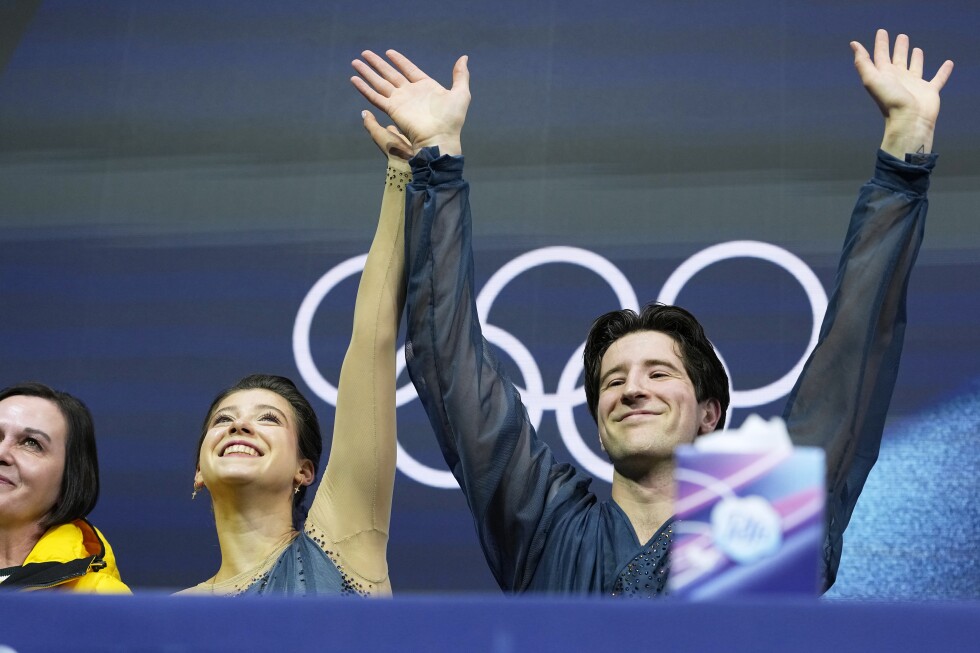
Traditionally, the Olympics have been distinguished by their clean, advertisement-free competition venues. But throughout Milan Cortina, sponsors are increasingly visible – from stacked Powerade bottles in hockey penalty boxes to branded tissues in figure skating’s emotional “Kiss and Cry” area.
“We continue to open up those opportunities for partners,” acknowledged International Olympic Committee marketing director Anne-Sophie Voumard, explaining that sponsor products can now “organically be present” more widely throughout Olympic venues.
This evolution appears to have accelerated following the 2024 Paris Summer Games, where French luxury goods maker LVMH prominently featured its Louis Vuitton brand during the opening ceremony. Industry experts note this represents a fundamental shift in the IOC’s approach.
“It seems like there’s been an increasing need and desire from the sponsors for the IOC to show greater value in the TOP program,” said Terrence Burns, a former Olympic marketing consultant who has worked with both the Olympic body and corporate sponsors.
The change is evident to spectators at Olympic venues, who now hear sponsor shoutouts from arena announcers and see corporate logos on venue screens. While television broadcasts maintain a more restrained approach compared to American sports, product placement is becoming more noticeable.
This strategic shift comes as the IOC manages its crucial TOP (The Olympic Partner) program. Currently, Milan Cortina features 11 TOP sponsors, down from 15 in Paris. The program’s revenue dipped to $560 million in cash and services for 2025, compared to $871 million in 2024, potentially explaining the organization’s willingness to offer greater sponsor visibility.
The in-arena experience particularly highlights this new approach. During hockey games, spectators hear announcements like “This is the Corona Cero wave!” as sponsors become attached to fan engagement moments. The “Stellantis Freeze Cam” features instant replays, while athlete interviews are presented “thanks to Salomon,” a skiwear brand partnered with Milan Cortina organizers.
Burns suggests these in-venue branding opportunities primarily serve as morale boosters for sponsors rather than significant marketing tools. “I think it’s a psychological ‘Attaboy’ to see your brand on a board somewhere in and around the Olympics,” he explained. “I get it, but show me how that helps you sell more things.”
The Olympic Charter still requires exceptional approval for venue logos, but the IOC has gradually relaxed its stance. Just a decade ago, the “clean venue” policy was so strict that IOC staff would cover manufacturer branding on bathroom hand dryers with tape.
Recent Olympics have seen incremental changes. After a legal challenge in Germany, the Tokyo 2021 Games relaxed restrictions on athletes promoting personal sponsors on social media. In Paris, Louis Vuitton-branded boxes delivered medals to podiums, followed by “the Olympic Victory Selfie, presented by Samsung” – a tradition continuing at Milan Cortina.
While acknowledging these changes, Voumard emphasized the need to “be mindful of the legacy of those Games and the uniqueness of the presentation.”
The 2028 Los Angeles Olympics will push these boundaries further. For the first time, the IOC has approved venue naming rights in a pilot program. The volleyball venue in Anaheim will retain its Honda Center name, as it does for NHL games, and Comcast is branding a temporary squash arena. Previously, sponsor-named stadiums required generic Olympic designations, like London’s O2 Arena becoming the North Greenwich Arena during the 2012 Games.
Burns anticipates Los Angeles organizers may pressure the IOC for additional sponsor-friendly measures. “It’s not unreasonable to think that LA would look to what happened in Paris with Louis Vuitton or even Samsung on a podium,” he said. “It’s their fiduciary responsibility to try to make as much money as they can.”
The tension between generating revenue and preserving the Olympic brand’s unique character presents a delicate balance for the IOC. As Burns notes, the organization’s role as franchisor requires protecting the Olympic brand while adapting to evolving commercial realities.
Fact Checker
Verify the accuracy of this article using The Disinformation Commission analysis and real-time sources.

14 Comments
This increased sponsor visibility is an understandable move, but I hope the IOC can find ways to maintain the Olympics’ iconic brand and spirit of competition. Moderation and thoughtfulness will be crucial as they navigate this evolution.
Well said. The Olympics should remain a celebration of human achievement, not just a commercial enterprise.
As someone who loves the Olympics, I have mixed feelings about this. On one hand, I understand the need for sponsorship revenue. But on the other, I hope the Games can maintain a sense of purity and avoid becoming overly commercialized.
I agree. The Olympics should strive to find the right balance between necessary sponsorship and preserving the event’s timeless allure.
The Olympics have always been a delicate balance between commercialism and athletic ideals. This increased sponsor visibility seems like a pragmatic move to generate more revenue, but I hope it doesn’t detract from the core spirit of the games.
It’s a fine line to walk – maximizing sponsorship opportunities while preserving the Olympic brand and fan experience.
Interesting shift in the Olympics’ approach to sponsorship visibility. Curious to see how this will impact the overall viewer experience and whether it strikes the right balance between commercialism and the purity of athletic competition.
I wonder if this increased sponsor presence will affect the perceived neutrality and integrity of the Olympic events.
While I understand the IOC’s need to generate revenue, I hope they don’t lose sight of the Olympics’ core purpose – to celebrate human achievement and the competitive spirit. Striking the right balance between sponsorship and the purity of sport will be key.
Agreed. The Olympics should remain a showcase for athletic excellence, not a platform for excessive commercial interests.
The Olympics have always been a unique global event, transcending commercial interests. While I understand the financial realities, I hope the IOC can find ways to preserve the Games’ timeless allure and international appeal.
Exactly. The Olympics should strive to be more than just another venue for corporate sponsorship and branding.
It’s an interesting evolution, but I worry that increased sponsor visibility could start to feel intrusive and detract from the athletic spectacle. The Olympics have always been about pushing the limits of human achievement, not corporate branding.
I share your concern. The Olympics should remain focused on the athletes and their incredible feats, not on commercialization.