


Listen to the article
Electric Vehicle Finance Surges in Africa as Battery Technology Advances
Financing for electric vehicle transport is gaining significant momentum across Africa, with major investments signaling growing confidence in the continent’s clean mobility sector.
Spiro, Africa’s largest electric mobility operator, has secured $50 million in debt financing to expand its battery-swapping network. The funding comes from a consortium including the African Export-Import Bank (Afreximbank), U.S.-based climate fintech platform Nithio, and the Africa Go Green Fund.
The investment will enable Spiro to extend its battery-swapping stations in existing and new markets while advancing technologies such as automated battery swaps, fast charging, and renewable energy integration. This expansion builds on Spiro’s already substantial footprint across Kenya, Uganda, Rwanda, Nigeria, Benin, and Togo, with pilot programs underway in Cameroon and Tanzania.
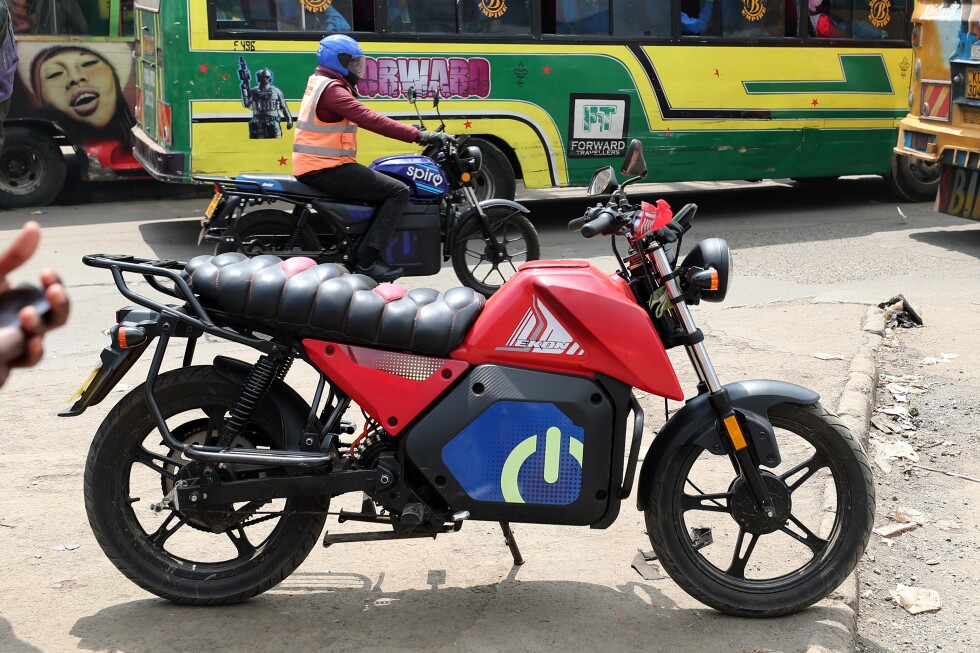
“This new funding reinforces our vision of building a robust, scalable energy network tailored for Africa by Africans,” said Kaushik Burman, CEO of Spiro. The company has already deployed more than 80,000 electric motorcycles and circulated over 300,000 batteries across the continent.
The investment in Spiro comes amid a flurry of activity in Africa’s e-mobility sector. Just days earlier, Arc Ride received a $5 million equity commitment from the International Finance Corporation (IFC), while Ugandan e-bike startup Gogo Electric raised $1 million from ElectriFi, a European Union-funded electrification financing initiative managed by EDFI.
These investments highlight the growing institutional confidence in Africa’s potential to lead in clean transportation solutions. Development financiers increasingly view electric mobility as both a climate solution and an industrialization opportunity for the continent.
Spiro’s impact is already substantial. The company has completed 30 million battery swaps and established more than 2,500 swap stations across its markets. Riders using Spiro’s vehicles have logged more than 1 billion carbon-free kilometers, demonstrating the practical viability of electric transport solutions in African markets.
“We will use it to deploy energy infrastructure that will contribute meaningfully to a greener future in Africa,” said Spiro founder Gagan Gupta, referring to the new funding.
The battery-swapping model has proven particularly effective in Africa, where it addresses infrastructure challenges by eliminating the need for extensive charging networks. Instead, riders can quickly exchange depleted batteries for charged ones at designated stations, minimizing downtime and extending the range of electric vehicles.
Raghav Sachdeva, chief investment officer at Nithio, emphasized the strategic importance of the sector: “Spiro is one of the largest and fastest-growing players in the Pan-African e-mobility market. We see e-mobility as a critical pillar of Africa’s clean energy transition.”
African financial institutions are also recognizing the sector’s importance. Oluranti Doherty, managing director for export development at Afreximbank, stated: “Driving Africa’s transition to electric mobility is central to how we view sustainable economic development across the continent.”
The investment in Spiro represents part of a broader trend. Since 2022, the company has raised more than $230 million, financing production and assembly facilities across Nigeria, Kenya, Uganda, and Rwanda. This influx of capital reflects the increasing flow of climate-focused investment into Africa’s growing e-mobility ecosystem.
The sector’s growth comes at a critical time for African urban centers, which are experiencing rapid population growth and increasing congestion. Electric motorcycles and three-wheelers, in particular, offer a solution to urban mobility challenges while reducing air pollution and carbon emissions.
As battery technology continues to improve and costs decline, analysts expect the adoption of electric vehicles across Africa to accelerate, potentially allowing the continent to leapfrog traditional fossil fuel transportation infrastructure in favor of cleaner alternatives.
Fact Checker
Verify the accuracy of this article using The Disinformation Commission analysis and real-time sources.

20 Comments
The integration of renewable energy into Spiro’s battery-swapping model is an interesting approach to building a more sustainable EV ecosystem in Africa. I’m curious to see how this helps drive wider adoption.
Agreed. Combining clean mobility with renewable power generation could create a more self-sufficient and environmentally-friendly transportation infrastructure in Africa.
It’s great to see African companies like Spiro leading the charge in clean mobility. Leveraging local expertise and tailoring solutions for the African context is key to sustainable transportation progress.
Absolutely. Homegrown innovations that address the unique needs and challenges of the African market will be critical to accelerating the continent’s transition to a low-carbon future.
Exciting to see more investment in Africa’s clean mobility sector. Spiro’s battery-swapping network could help accelerate EV adoption and reduce reliance on fossil fuels across the continent.
Agreed. Innovative solutions like this are crucial for expanding affordable, sustainable transportation options in Africa.
This investment reflects the growing recognition of Africa’s potential in the clean energy and transportation space. I’m curious to see how Spiro’s expansion plans unfold in the coming years.
Agreed. As African countries continue to invest in sustainable infrastructure, homegrown innovators like Spiro will play a vital role in driving the continent’s low-carbon transition.
The integration of renewable energy sources into Spiro’s battery-swapping network is an interesting angle. It could help make their EV ecosystem more sustainable and resilient.
Absolutely. Coupling clean mobility with renewable power generation is a smart approach to reduce emissions and build a more self-sufficient energy infrastructure.
Battery-swapping technology could be a game-changer for affordable EV adoption in Africa, where access to charging infrastructure is still limited. Spiro’s model seems well-suited to the local context.
Absolutely. Overcoming the barriers to EV uptake, such as high upfront costs and lack of charging options, is crucial for expanding clean mobility across the continent.
Spiro’s battery-swapping network could help address the challenges of EV adoption in Africa, such as high costs and limited charging access. I’m curious to see how this funding boost impacts their expansion plans.
Absolutely. Enabling more affordable and accessible electric mobility options will be crucial for reducing emissions and improving transportation connectivity across the continent.
This $50 million funding boost for Spiro is a promising sign of growing confidence in Africa’s emerging EV market. I’m curious to see how they use the capital to further scale their operations.
Expanding the battery-swapping network and advancing technologies like automated swaps and renewable energy integration could really help drive wider EV adoption. Looking forward to seeing the impact.
Spiro’s extensive footprint across multiple African countries demonstrates the demand for affordable, eco-friendly mobility options. This latest funding should help them further scale their impact.
Indeed. Enabling wider access to electric motorcycles and battery-swapping infrastructure could have significant environmental and economic benefits for communities across the continent.
It’s encouraging to see African companies like Spiro receive significant funding to scale their innovative clean mobility solutions. This could pave the way for more sustainable transportation options in the region.
Agreed. Leveraging local expertise and tailoring solutions to the African market will be key to driving widespread adoption of electric vehicles and related infrastructure.