


Listen to the article
Spirit Airlines Anticipates Emergence from Second Bankruptcy by Summer
Spirit Airlines expects to exit its second Chapter 11 bankruptcy by late spring or early summer after reaching a preliminary agreement with lenders and secured creditors, the company announced. The deal provides crucial support for the budget carrier to complete its restructuring efforts.
The Florida-based airline plans to emerge as “a new Spirit” – one that maintains its low-fare business model while introducing enhanced offerings like premium economy and a first-class option with additional legroom. The restructuring involves significant changes to its fleet composition, route network, and overall cost structure.
“Spirit will emerge as a strong, leaner competitor that is positioned to profitably deliver the value American consumers expect at a price they want to pay,” CEO Dave Davis said in a statement.
This marks the second bankruptcy filing for Spirit in less than a year. The airline initially filed for Chapter 11 protection in November 2023, emerging from that process in March 2024. However, Davis acknowledged that the first restructuring, which focused primarily on debt reduction and capital raising, proved insufficient.
“It became clear that there is much more work to be done and many more tools are available to best position Spirit for the future,” Davis explained when announcing the second bankruptcy filing in August.
Following its return to bankruptcy court, Spirit made swift and significant operational changes. The airline suspended service to approximately a dozen U.S. cities and announced furloughs for 1,800 flight attendants. These measures came after previous workforce reductions implemented before its first bankruptcy filing.
The carrier’s financial struggles reflect broader challenges facing budget airlines in today’s competitive market. Since the COVID-19 pandemic, Spirit has battled rising operational costs and mounting debt while facing intensified competition from major carriers that have introduced their own low-cost fare options on competing routes.
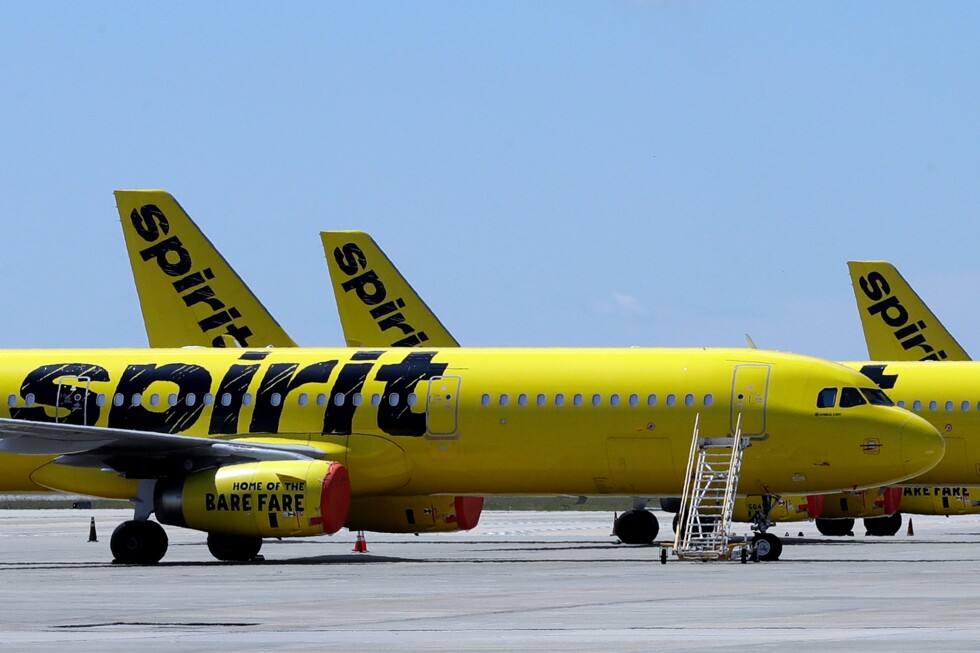
Known for its distinctive bright yellow aircraft and no-frills service model that charges separately for services like seat selection and carry-on bags, Spirit had accumulated losses exceeding $2.5 billion since early 2020. This financial hemorrhaging ultimately forced the company to seek bankruptcy protection.
Industry analysts point to several factors contributing to Spirit’s difficulties. The post-pandemic travel recovery brought robust demand but also operational challenges across the industry, including labor shortages, higher fuel costs, and supply chain disruptions affecting aircraft maintenance and delivery schedules.
Additionally, the U.S. airline industry has experienced significant consolidation over the past decade, with major carriers gaining market power and the ability to match or undercut budget airlines’ pricing on competitive routes. This has squeezed profit margins for carriers like Spirit that historically differentiated themselves primarily on price.
The carrier’s restructuring comes at a pivotal moment for the ultra-low-cost segment of the airline industry. With fellow budget airline Frontier also facing financial challenges and JetBlue adopting a more premium approach, Spirit’s ability to successfully reinvent itself could have significant implications for affordable air travel options in the United States.
As Spirit works toward its emergence from bankruptcy, travelers can expect continued service on the airline’s remaining routes, though possibly with adjusted schedules and capacity. The company has stated it intends to honor customer tickets and loyalty program benefits throughout the restructuring process.
The airline has not yet provided specific details about which aircraft types might be eliminated from its fleet or whether additional route reductions are planned before its anticipated exit from bankruptcy protection.
Fact Checker
Verify the accuracy of this article using The Disinformation Commission analysis and real-time sources.

8 Comments
I’m curious to see how the changes to their fleet, routes, and cost structure will impact their operations and profitability going forward. Bankruptcy can be a chance to reset and strengthen a business model.
Absolutely, the restructuring could allow Spirit to become more nimble and adaptable to market conditions. Their ability to bounce back from bankruptcy will be closely watched.
The airline industry has seen a lot of turmoil in recent years, so it’s encouraging to see Spirit navigating the challenges and emerging stronger. Their resilience is impressive.
Agreed, the pandemic was particularly hard on airlines, so Spirit’s ability to restructure and bounce back is a notable achievement.
Maintaining a low-cost model while adding premium options is a smart strategy. It allows them to cater to a wider customer base and stay competitive in the industry.
I wonder how Spirit’s restructuring plans will impact their route network and flight schedules. Optimizing their operations could be key to their long-term success.
Interesting to see Spirit Airlines bounce back from bankruptcy so quickly. Maintaining their low-cost model while expanding premium offerings could help them stay competitive in the crowded airline market.
Agreed, it’s a smart move to cater to both budget and premium travelers. Their ability to restructure and emerge stronger is a testament to their resilience.