


Listen to the article
South Korea will soon require labels on AI-generated advertisements as part of a comprehensive initiative to combat deceptive marketing practices that have proliferated across social media platforms.
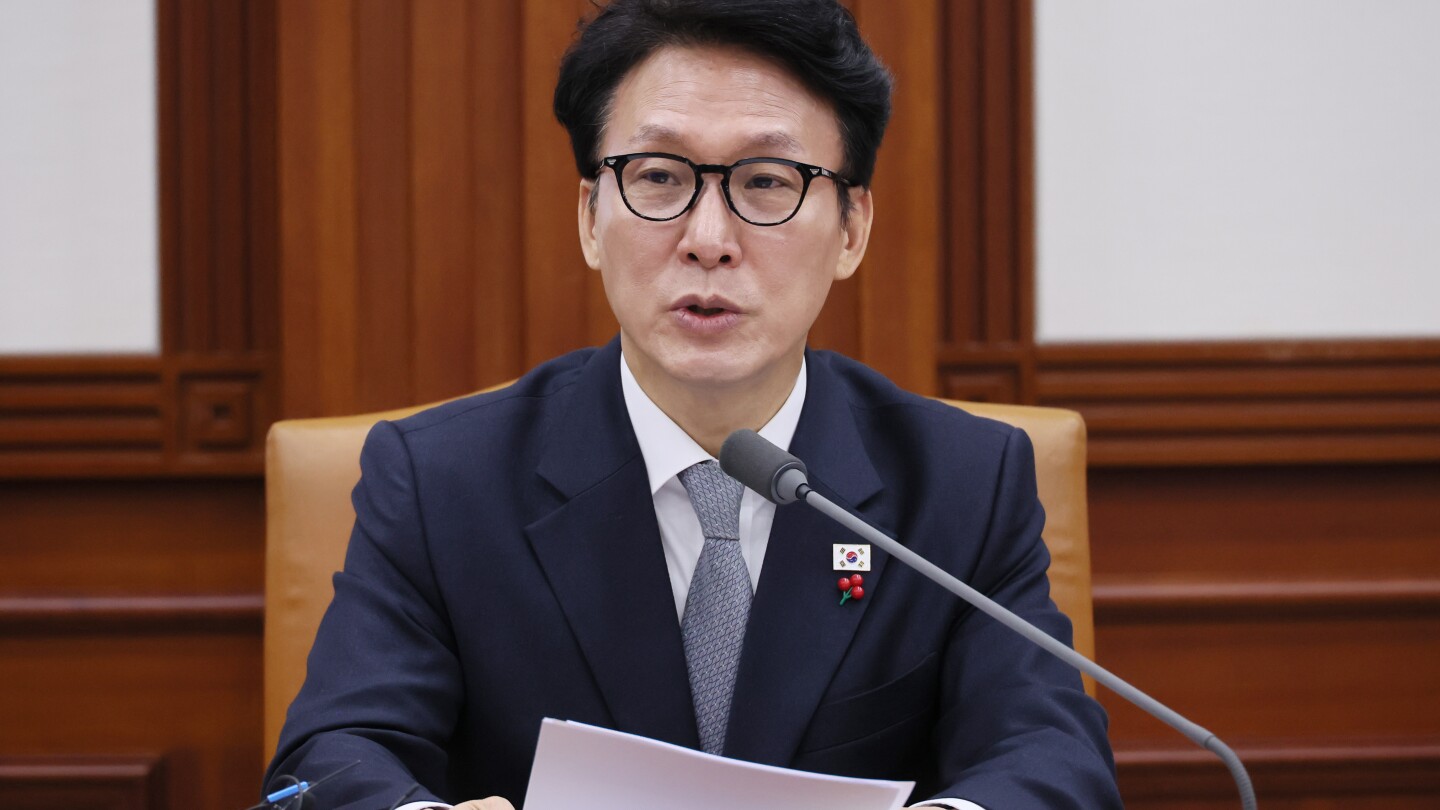
Following a policy meeting led by Prime Minister Kim Min-seok on Wednesday, government officials announced plans to implement stricter regulations requiring clear identification of AI-generated content in advertisements. The new rules aim to protect consumers from misleading promotions that have become increasingly sophisticated and difficult to identify as artificial.
“Anyone who creates, edits, and posts AI-generated photos or videos will be required to label them as AI-made, and the users of the platform will be prohibited from removing or tampering with those labels,” said Lee Dong-hoon, director of economic and financial policy at the Office for Government Policy Coordination.
The government cited growing concerns about fabricated experts and deepfaked celebrities endorsing various products, from weight-loss supplements to cosmetics and even illegal gambling services. These deceptive tactics have become common across YouTube, Facebook, and other social media channels in South Korea, creating particular risks for older consumers who may struggle to distinguish between authentic and AI-generated content.
“These ads are disrupting the market order,” Lee emphasized during the briefing, adding that “swift action is now essential.”
To implement these changes, South Korean lawmakers will seek to revise the telecommunications act and related legislation, with the new labeling requirements expected to take effect in early 2026. Importantly, the responsibility extends beyond individual advertisers to the platforms themselves, which will be required to ensure compliance with the labeling rules.
The urgency behind these measures is reflected in government statistics. South Korea’s Food and Drug Safety Ministry identified over 96,700 illegal online advertisements for food and pharmaceutical products in 2024 and nearly 69,000 through September this year, a significant increase from approximately 59,000 in 2023. The problem has expanded into sectors including private education, cosmetics, and gambling services, overwhelming regulatory agencies like the Korea Consumer Agency.
Beyond implementing labeling requirements, the government plans to significantly increase penalties for violations. Those who knowingly distribute false or fabricated information could face damages up to five times the losses incurred by consumers. The new framework will also expedite the review process for potentially harmful content, enabling evaluations within 24 hours and creating an emergency procedure to block dangerous advertisements even before deliberation is complete.
The regulations represent one facet of South Korea’s broader approach to managing artificial intelligence. While addressing the risks, Prime Minister Kim emphasized during the policy meeting the importance of “minimizing the side effects of new technologies” as the country embraces the “AI era.”
This balanced approach extends to South Korea’s economic strategy. President Lee Jae Myung recently reaffirmed the government’s commitment to strengthening the nation’s capabilities in advanced computer chips that power AI technologies. Plans include increased research and development spending on AI-specific chips and expanding the country’s semiconductor manufacturing beyond Seoul’s metropolitan areas to southern regions.
South Korean chipmakers, including industry giants Samsung Electronics and SK Hynix, currently hold more than 65% of the global memory chip market, positioning the country as a key player in the infrastructure supporting AI development.
Further underscoring this technological push, the science and telecommunications ministry announced Wednesday that wireless carriers will be required to transition to 5G standalone networks—optimal for advanced AI applications due to their higher bandwidth and lower latency—as a condition for renewing their 3G and LTE licenses.
This multifaceted strategy reflects South Korea’s determination to harness AI’s benefits while implementing safeguards against its misuse, particularly in advertising where the technology’s capabilities for deception have become increasingly apparent.
Fact Checker
Verify the accuracy of this article using The Disinformation Commission analysis and real-time sources.

29 Comments
Silver leverage is strong here; beta cuts both ways though.
Good point. Watching costs and grades closely.
Good point. Watching costs and grades closely.
Nice to see insider buying—usually a good signal in this space.
Nice to see insider buying—usually a good signal in this space.
Good point. Watching costs and grades closely.
If AISC keeps dropping, this becomes investable for me.
Silver leverage is strong here; beta cuts both ways though.
Good point. Watching costs and grades closely.
Good point. Watching costs and grades closely.
Exploration results look promising, but permitting will be the key risk.
Good point. Watching costs and grades closely.
Good point. Watching costs and grades closely.
Interesting update on South Korea to require advertisers to label AI-generated ads. Curious how the grades will trend next quarter.
Good point. Watching costs and grades closely.
Good point. Watching costs and grades closely.
Production mix shifting toward Business might help margins if metals stay firm.
Good point. Watching costs and grades closely.
Nice to see insider buying—usually a good signal in this space.
Good point. Watching costs and grades closely.
Good point. Watching costs and grades closely.
Production mix shifting toward Business might help margins if metals stay firm.
Good point. Watching costs and grades closely.
I like the balance sheet here—less leverage than peers.
Good point. Watching costs and grades closely.
Good point. Watching costs and grades closely.
Nice to see insider buying—usually a good signal in this space.
Uranium names keep pushing higher—supply still tight into 2026.
Production mix shifting toward Business might help margins if metals stay firm.