


Listen to the article
South Dakota Hotel Found Liable for Discrimination Against Native Americans
A federal jury ruled Friday that the owner of a Rapid City hotel who banned Native Americans from the establishment discriminated against them, concluding a high-profile civil rights case that highlighted ongoing racial tensions in the region.
The jury determined that Retsel Corporation, which owns the Grand Gateway Hotel, must pay damages to various plaintiffs who were denied service. The primary plaintiff, NDN Collective, an Indigenous advocacy group, was awarded a symbolic $1 in damages.
“This was never about money. We sued for one dollar,” said Wizipan Garriott, president of NDN Collective and an enrolled member of the Rosebud Sioux Tribe. “It was about being on record for the discrimination that happened, and using this as an opportunity to be able to really call out racism.”
The lawsuit originated from a March 2022 incident when Connie Uhre, then-owner of the hotel, publicly declared on social media that she would ban all Native Americans from the property. Her statement came after a fatal shooting at the hotel involving two teenagers whom police identified as Native American.
“I cannot allow a Native American to enter our business including Cheers,” Uhre wrote in a Facebook post, referring to the hotel’s bar and casino.
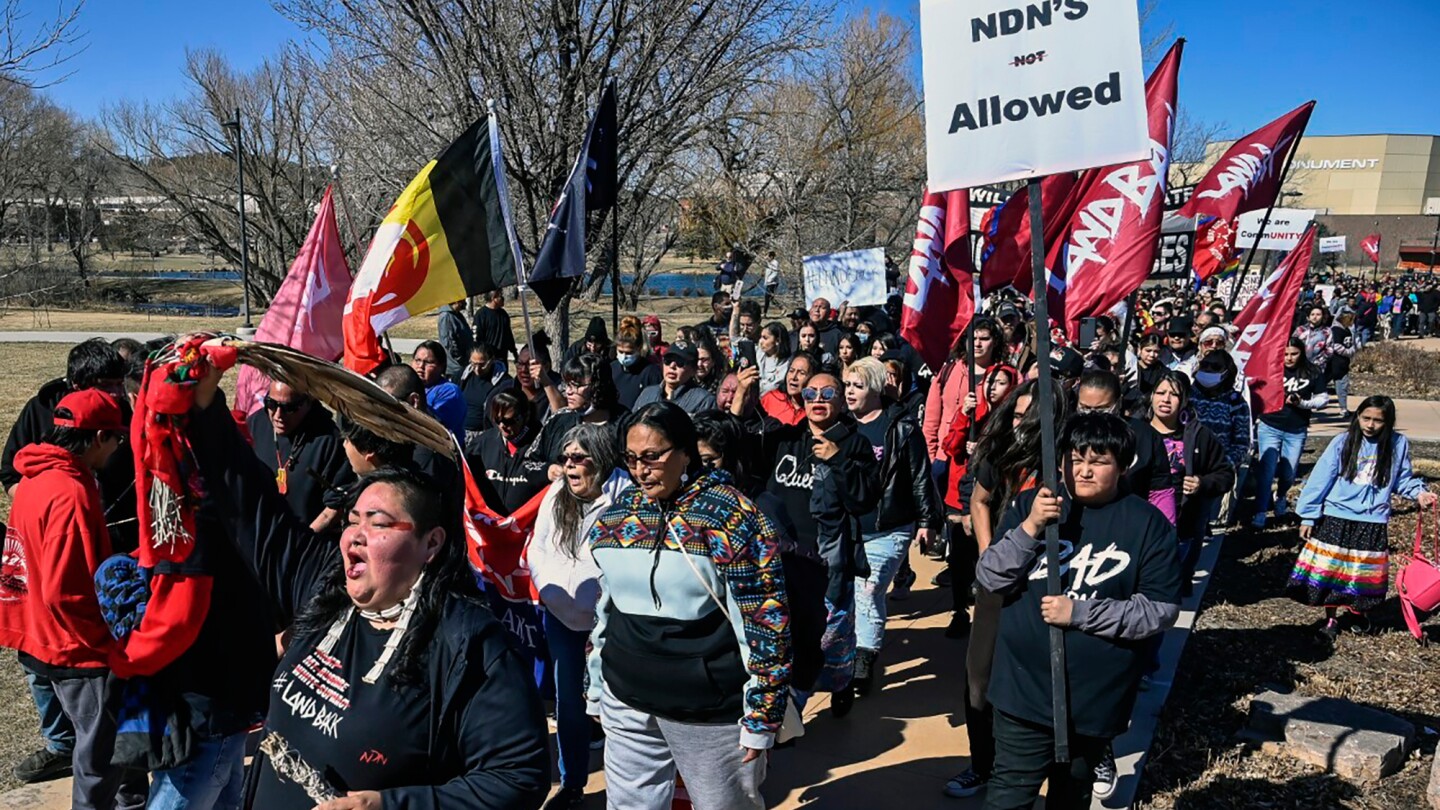
When members of NDN Collective subsequently attempted to book rooms at the hotel, they were turned away, confirming the discriminatory policy was being enforced. The incident sparked protests throughout Rapid City and drew condemnations from local officials, including the mayor, as well as tribal leaders throughout South Dakota.
The case faced delays when Retsel Corporation filed for bankruptcy in September 2024. Connie Uhre passed away earlier this September, but the lawsuit proceeded against her company.
The jury also ruled on a countersuit filed by Retsel against NDN Collective, awarding the hotel company $812 after finding the advocacy group had created a nuisance through its protests against the establishment.
Prior to Friday’s verdict, the hotel had already faced legal consequences for its discriminatory practices. In November 2023, the U.S. Justice Department reached a consent decree with Uhre that required her to issue a public apology and banned her from managing the establishment for four years.
The case highlights the persistent racial tensions in Rapid City, which serves as a gateway to Mount Rushmore and other Black Hills attractions that draw tourists from around the world. The region has historical significance to many Native American tribes, particularly the Lakota, who consider the Black Hills sacred territory.
According to census data, at least 8% of Rapid City’s population of approximately 80,000 identifies as American Indian or Alaska Native, though advocates suggest the actual percentage may be higher. The city sits near several reservations, including Pine Ridge and Rosebud, and serves as an economic and cultural hub for many Native Americans in the region.
This case marks a significant legal precedent in South Dakota regarding discrimination against Indigenous peoples in public accommodations. Civil rights advocates hope the ruling will deter similar discriminatory practices by other businesses in the region.
The verdict comes amid growing national attention to Indigenous rights and the ongoing challenges faced by Native American communities, including discrimination in housing, employment, and public accommodations.
Defense attorneys for Retsel Corporation did not immediately respond to requests for comment on the verdict or whether they plan to appeal the decision.
Fact Checker
Verify the accuracy of this article using The Disinformation Commission analysis and real-time sources.

7 Comments
Sadly, this type of racial bias is all too common, even in the modern era. I hope this case helps raise awareness and spurs greater efforts to combat discrimination against Native Americans and other marginalized groups.
It’s disheartening to see such blatant discrimination still occurring. This hotel owner’s actions were clearly unacceptable and I’m glad the court ruled against them. However, the underlying issues of racial prejudice need to be addressed more comprehensively.
Absolutely. This case highlights the urgent need for meaningful reforms and education to tackle the root causes of discrimination.
This ruling is an important victory, but the work to end discrimination against Native Americans is far from over. Symbolic damages may not be enough, and stronger legal and social measures are needed to create real, lasting change.
Discrimination against Native Americans is a persistent issue that must be addressed. While this legal victory is a step in the right direction, it highlights the need for stronger anti-discrimination protections and enforcement to ensure equal treatment for all.
Agreed. Symbolic damages may not be enough to deter future discriminatory behavior. More robust penalties and accountability measures are crucial to enact real change.
This is a disappointing case of ongoing racial discrimination. No one should be denied service or access based on their ethnicity. It’s good that the court ruled against this blatantly prejudiced policy, though the symbolic $1 damages seem quite light given the gravity of the offense.