


Listen to the article
Social media platforms have removed approximately 4.7 million accounts identified as belonging to children in Australia since the country implemented its landmark ban on users under 16, government officials announced Friday.
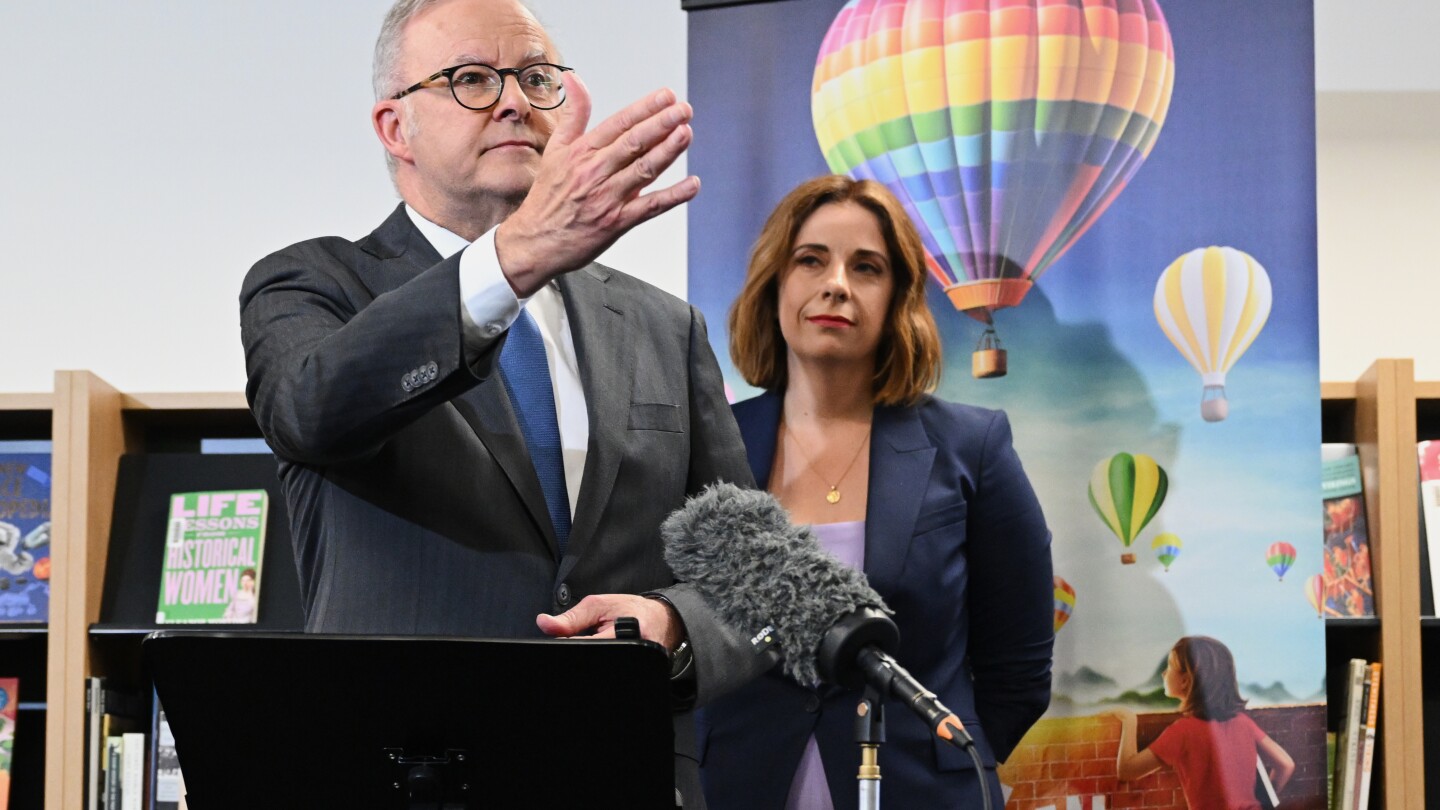
“We stared down everybody who said it couldn’t be done, some of the most powerful and rich companies in the world and their supporters,” Communications Minister Anika Wells told reporters. “Now Australian parents can be confident that their kids can have their childhoods back.”
This first official tally demonstrates the sweeping impact of Australia’s pioneering legislation, enacted in December 2023 amid growing concerns about social media’s harmful effects on young people’s mental health and safety. The ban has triggered intense debates about technology use, privacy, and child protection while inspiring other nations to consider similar measures.
Under the law, major platforms including Facebook, Instagram, Kick, Reddit, Snapchat, Threads, TikTok, X, YouTube, and Twitch face potential fines of up to 49.5 million Australian dollars ($33.2 million) if they fail to take reasonable steps to remove accounts belonging to Australian children under 16. Messaging services such as WhatsApp and Facebook Messenger are exempt from the restrictions.
To comply with the regulations, platforms must verify users’ ages through various methods, including requesting identification documents, employing third-party age estimation technology that analyzes facial features, or making inferences from existing account data such as creation dates.
Australia’s eSafety Commissioner Julie Inman Grant noted that the country has approximately 2.5 million residents aged 8 to 15, with previous estimates suggesting 84% of children aged 8 to 12 maintained social media accounts. While the total number of accounts held across the ten platforms remains unknown, Inman Grant described the 4.7 million figure of deactivated or restricted accounts as “encouraging.”
“We’re preventing predatory social media companies from accessing our children,” she stated, adding that all ten major companies covered by the ban had complied with reporting requirements. The commissioner emphasized that platforms are now expected to shift their focus toward preventing children from creating new accounts or circumventing the prohibition.
While government officials did not break down the figures by platform, Meta—parent company of Facebook, Instagram, and Threads—revealed this week that it had removed nearly 550,000 accounts belonging to users under 16 within a day of the ban taking effect.
In a blog post sharing these figures, Meta criticized the legislation, suggesting that smaller platforms not covered by the ban might not prioritize safety. The company also pointed out that web browsing platforms would still present algorithm-driven content to children—one of the key concerns that prompted the ban’s implementation.
The law has garnered widespread support from parents and child safety advocates. However, online privacy groups and some youth organizations have expressed opposition, with the latter highlighting the valuable support networks found in online spaces for vulnerable young people, particularly those in Australia’s geographically isolated rural areas.
Reports have emerged of some teenagers successfully circumventing the ban, either by deceiving age verification technologies or receiving assistance from parents or older siblings.
Since Australia began debating these measures, other countries have shown interest in implementing similar restrictions. Denmark’s government announced in November that it plans to ban social media for children under 15.
“The fact that in spite of some skepticism out there, it’s working and being replicated now around the world, is something that is a source of Australian pride,” Prime Minister Anthony Albanese said Friday.
Opposition lawmakers have raised concerns that young people are easily evading the ban or migrating to less regulated alternative apps. Inman Grant acknowledged that data showed a spike in downloads of alternative applications when the ban took effect but noted there has not been a corresponding increase in ongoing usage.
“There are no real long-term trends yet that we can say, but we’re engaging,” she said.
Looking ahead, the commissioner revealed plans to introduce “world-leading AI companion and chatbot restrictions in March,” though specific details were not disclosed. This suggests Australia’s efforts to regulate technology’s impact on children will continue to evolve beyond social media platforms.
Fact Checker
Verify the accuracy of this article using The Disinformation Commission analysis and real-time sources.

11 Comments
This is a strong step to protect children’s privacy and well-being on social media. It will be interesting to see how other countries respond to this pioneering legislation in Australia.
While this law may face pushback from tech companies, the mental health and safety of children should be the top priority. Kudos to Australia for taking bold action on this issue.
I agree. The potential fines for non-compliance seem appropriate given the gravity of the problem. Platforms must be held accountable.
It will be worth watching how this sets a precedent for other countries. If successful, we may see a domino effect of similar bans and restrictions worldwide.
Interesting to see the impact numbers. I wonder how many of those removed accounts belonged to Australian children specifically, versus global users. The law seems to have had a broad effect.
This new legislation is a positive step, but the challenge will be ensuring ongoing enforcement and oversight. Platforms may find ways to circumvent the rules if not closely monitored.
While the scale of removals is impressive, I hope the law’s implementation doesn’t inadvertently disadvantage or exclude legitimate young users. Nuanced approaches may be needed.
That’s a fair point. Any regulations should balance child protection with reasonable access for responsible teenage users.
The debate around privacy, safety, and technology use for minors is a complex one. Australia appears to have taken a strong stance, but the long-term impacts remain to be seen.
Removing 4.7 million accounts is a significant impact. It shows the scale of underage usage on social platforms. Hopefully this sets a precedent for more robust child protection measures globally.
Absolutely. Putting children’s welfare first is crucial as social media becomes ever more prevalent in young people’s lives.