


Listen to the article
Southern California Edison has launched legal action against multiple entities, claiming their negligence contributed to the deadly Eaton Fire that devastated parts of Southern California last year. The utility filed cross-complaints in Los Angeles Superior Court on Friday, targeting Los Angeles County, Pasadena Water and Power, five other water agencies, and Southern California Gas Company.
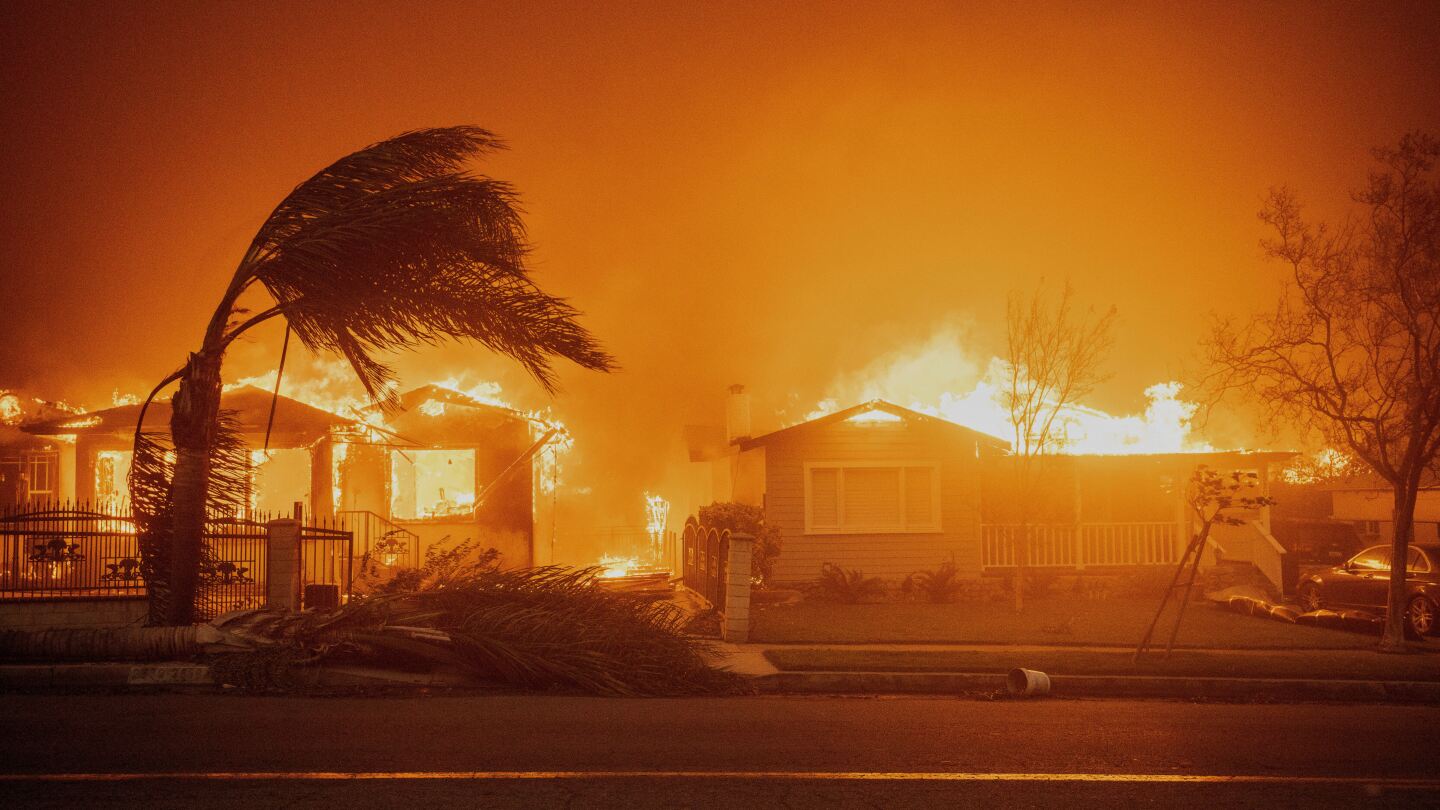
The catastrophic Eaton Fire, which began on January 7, 2025, claimed 19 lives and destroyed over 9,400 structures. Firefighters battled the inferno for nearly a month before containing the blaze that scorched approximately 22 square miles of land across the region.
While investigators have not yet determined the official cause of the fire, evidence suggests one of SoCal Edison’s inactive power lines may have provided the initial spark. However, the utility’s legal filings attempt to distribute blame among several parties for the fire’s devastating toll.
In its complaints against Los Angeles County agencies, SoCal Edison alleges critical failures in emergency response protocols, particularly regarding evacuation warnings to residents in east and west Altadena. The utility highlighted that 18 of the 19 fatalities occurred in west Altadena, suggesting timely warnings could have prevented many deaths. When approached for comment, Los Angeles County officials declined to address these allegations.
The utility’s claims against water agencies focus on infrastructure preparedness. SoCal Edison contends that insufficient water supply during the fire’s spread severely hampered firefighting efforts. The company argues that Pasadena Water and Power, along with other water authorities, failed to maintain adequate resources necessary for emergency response to a wildfire of this magnitude.
Pasadena officials have forcefully rejected these allegations. In their response, city representatives maintained that SoCal Edison’s equipment was responsible for igniting the fire, shifting attention back to the utility’s own infrastructure management practices.
In a separate legal filing, SoCal Edison targets SoCalGas, claiming the gas company’s delayed response exacerbated the disaster. According to the lawsuit, SoCalGas waited four days after the fire began before implementing widespread gas shutoffs. This delay, SoCal Edison argues, allowed gas leaks to fuel the flames, contributing significantly to the fire’s intensity and spread. SoCalGas indicated they are reviewing the complaint and will respond through proper legal channels.
These new legal maneuvers come as SoCal Edison faces mounting legal pressure on multiple fronts. The utility is currently defending against 998 lawsuits from a combination of fire victims, insurance companies, and government entities seeking damages related to the Eaton Fire. Additionally, the U.S. Department of Justice has filed a federal lawsuit against the company for damages to National Forest land affected by the blaze.
The complex legal battle underscores the multifaceted challenges in determining liability for increasingly destructive wildfires in California. As climate change contributes to more frequent and severe fire conditions, questions about infrastructure resilience, emergency response protocols, and utility maintenance practices have taken center stage in public policy discussions and courtrooms alike.
The case also highlights the interconnected nature of public safety systems, where failures in one area can compound problems in others. As these lawsuits proceed through the courts, they may establish important precedents for how responsibility is allocated among various entities during major disasters.
For residents still recovering from the Eaton Fire’s devastation, these legal proceedings represent just one aspect of a long journey toward rebuilding and seeking accountability for one of Southern California’s most destructive wildfires in recent memory.
Fact Checker
Verify the accuracy of this article using The Disinformation Commission analysis and real-time sources.

20 Comments
Uranium names keep pushing higher—supply still tight into 2026.
Good point. Watching costs and grades closely.
Good point. Watching costs and grades closely.
I like the balance sheet here—less leverage than peers.
Good point. Watching costs and grades closely.
Good point. Watching costs and grades closely.
I like the balance sheet here—less leverage than peers.
Good point. Watching costs and grades closely.
Good point. Watching costs and grades closely.
I like the balance sheet here—less leverage than peers.
Good point. Watching costs and grades closely.
Good point. Watching costs and grades closely.
If AISC keeps dropping, this becomes investable for me.
Good point. Watching costs and grades closely.
Interesting update on SoCal Edison lawsuits claim series of missteps made Eaton Fire more deadly. Curious how the grades will trend next quarter.
I like the balance sheet here—less leverage than peers.
Good point. Watching costs and grades closely.
Good point. Watching costs and grades closely.
Production mix shifting toward Business might help margins if metals stay firm.
Good point. Watching costs and grades closely.