


Listen to the article
Rising Coffee Prices Force Americans to Rethink Their Daily Ritual
For years, Chandra Donelson’s morning began the same way: a McDonald’s coffee with 10 sugars and five creams, later replaced by Starbucks caramel macchiatos with almond milk and two pumps of syrup. But facing steadily climbing prices, the 35-year-old Washington, D.C. resident did what once seemed impossible – she gave up coffee altogether.
“I did that daily for years. I loved it. That was just my routine,” Donelson says. “And now it’s not.”
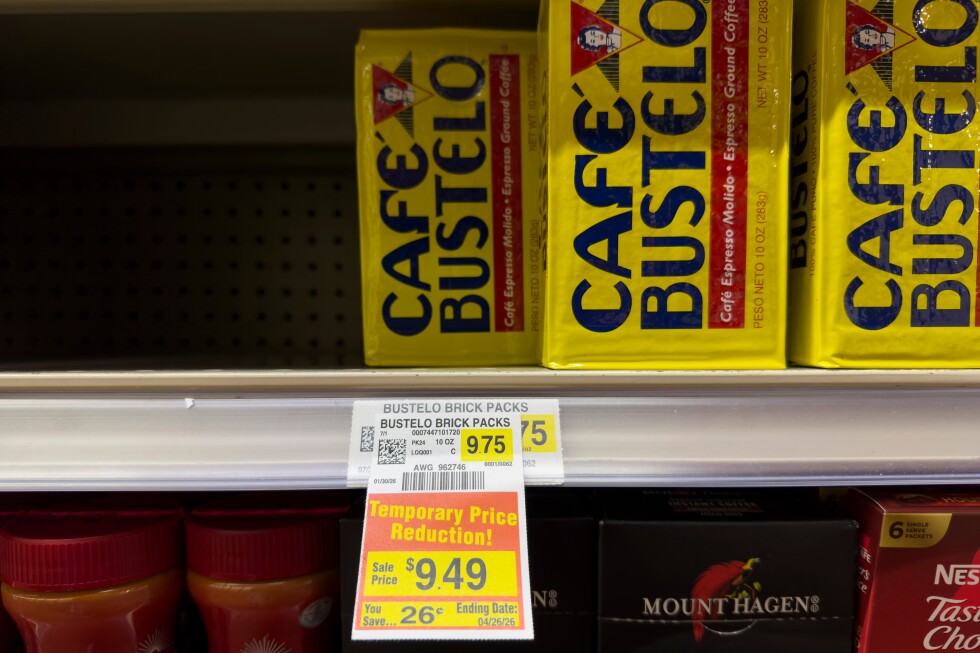
She’s not alone. As coffee prices in the United States continue their steep ascent – up 18.3% in January compared to a year ago, according to the latest Consumer Price Index – many Americans are reconsidering their relationship with the beloved beverage. Over five years, government data shows coffee prices have surged by 47%, forcing consumers to make difficult choices.
Data from Toast, a payment platform used by more than 150,000 restaurants, reveals the median price for a regular hot coffee in the U.S. has reached $3.61, while cold brews command a median price of $5.55. These figures vary significantly by location, but the upward trend is unmistakable nationwide.
The National Coffee Association reports that two-thirds of Americans drink coffee daily. For many, it remains an indispensable routine despite the price increases. However, others – already squeezed by rising costs across the board from rent to groceries – are taking drastic measures to cut expenses.
Liz Sweeney, a 50-year-old Boise, Idaho resident and self-described former “coffee addict,” has dramatically reduced her consumption. Previously consuming three cups at home daily plus café visits whenever she left the house, she’s now limited herself to a single cup at home and eliminated coffee shop visits entirely.
“Before, I thought, ‘There’s no way I could make it through my day without coffee,'” Sweeney says. “Now my car’s not on automatic pilot.” To satisfy her caffeine needs, she’s substituted Diet Coke or makes occasional McDonald’s stops for a soda instead.
Multiple factors have contributed to coffee’s price surge. As a product that’s virtually all imported to the United States, global supply issues have significant impacts on domestic prices. Climate problems have severely affected major coffee-producing regions – drought in Vietnam, excessive rainfall in Indonesia, and hot, dry conditions in Brazil have all reduced crop yields, driving up prices worldwide.
Dan DeBaun, 34, from Minnetonka, Minnesota, has also cut back on café visits as he and his wife save for a house. “What used to be a $2 coffee, it’s now $5, $6,” DeBaun explains. His solution has been buying ground coffee from Trader Joe’s and bringing a travel mug to work.
Sharon Cooksey of Greensboro, North Carolina, found her own cost-cutting strategy. The 55-year-old used to visit Starbucks most weekday mornings for a caramel latte until the mounting expense became too much. She first switched to brewing Starbucks at home, then discovered Lavazza coffee was approximately 40% cheaper.
“I can buy a bag of coffee for $6?” she recalled thinking. “It was like I had just discovered another world. The multiverse opened up to me in the coffee aisle of Publix.”
While Cooksey misses the social aspect of visiting her local café, where baristas knew her by name, she’s found an unexpected silver lining – she actually prefers the taste of her homemade brew. And the economics are undeniable: a bag of beans that lasts weeks costs approximately the same as a single latte.
For Donelson, who grew up watching her mother make daily McDonald’s coffee runs with the same 10 sugars and five creams she would later adopt, breaking the habit wasn’t easy. Her coffee routine had followed her from college through her Air Force service and into her current government job as a data and artificial intelligence strategist.
She maintained her expensive habit until a government shutdown temporarily halted her paychecks last fall, forcing budget cuts. Her solution came in the form of tea – specifically a Republic of Tea blend with honey.
“Twenty cents a cup compared to $7 or $8 a cup,” she says. “The math just makes sense.”
As inflation continues to pressure American households, these personal adjustments to daily routines reflect the broader economic challenges facing consumers. For some, the beloved daily coffee ritual has become an unexpected luxury in an era of rising prices.
Fact Checker
Verify the accuracy of this article using The Disinformation Commission analysis and real-time sources.

16 Comments
The data on median coffee prices is quite eye-opening. $3.61 for a regular hot coffee and $5.55 for a cold brew is quite steep. It will be crucial for coffee shops and consumers to find ways to manage these rising costs.
Agreed. Consumers may need to reconsider their coffee habits, whether that means brewing more at home, seeking out more affordable options, or reducing their consumption altogether. The industry will have to adapt as well.
The article highlights an interesting dilemma facing many coffee drinkers – having to give up a beloved daily ritual due to rising prices. I wonder if this could spur innovation in the coffee industry, such as the development of more affordable brewing methods or alternative caffeine sources.
That’s a good observation. Disruptions in consumer habits can often lead to new market opportunities and innovations. It will be interesting to see how the coffee industry and consumers adapt to these changing dynamics.
It’s a shame that some Americans feel forced to give up their daily coffee routine due to the steep price increases. Coffee is such an integral part of many people’s lives and morning routines. I hope there are ways for consumers to find more affordable options or for the industry to mitigate the cost pressures.
Agreed. While price increases are inevitable at times, it’s concerning when they impact essential daily habits and rituals. Hopefully, there are solutions that can help maintain access to affordable coffee for those who rely on it.
The data on the rising cost of coffee is quite alarming. A 47% increase over 5 years is substantial, and it’s understandable that many consumers would need to rethink their coffee habits as a result. I wonder if this could lead to increased demand for more budget-friendly coffee alternatives or brewing methods.
That’s a good point. Consumers may seek out more cost-effective options, such as instant coffee, brewing at home, or exploring different coffee sources. The industry may need to adapt to these shifting consumer preferences and find ways to offer more affordable products.
Rising coffee prices are certainly a challenge for many Americans. It’s understandable that some would have to reconsider their daily coffee routines. I’m curious to see how consumer habits and the coffee industry may adapt in response to these price increases.
Indeed, it will be interesting to see if alternative coffee options or brewing methods become more popular as a way to manage costs. Consumers may get creative to maintain their caffeine fix.
Coffee is such an ingrained part of many people’s daily routines. It’s understandable that being forced to give it up would be difficult for some. I wonder if this shift could lead to increased demand for alternative beverages like tea or specialty coffee drinks.
That’s an interesting possibility. Consumers may look to substitute coffee with other caffeinated or specialty drink options that provide a similar experience but at a lower cost.
It’s fascinating to see how something as seemingly simple as the price of coffee can have such a significant impact on people’s daily routines and habits. This underscores how interconnected our economy and consumer behaviors can be.
That’s a great point. Even small changes in the cost of everyday items like coffee can ripple through people’s lives and alter their behaviors in unexpected ways. It highlights the importance of understanding these broader economic and societal impacts.
The 47% surge in coffee prices over the past 5 years is quite significant. I wonder how this will impact coffee shop revenues and profit margins, as well as consumer behavior. It’s a challenging situation for both businesses and customers.
You raise a good point. Coffee shops may need to find ways to offset higher costs, such as adjusting menu prices or offering more affordable options. Consumers will likely look for ways to economize as well.