


Listen to the article
Sleep Tracking Devices: Helpful Tools or False Promises?
Millions of Americans rely on wearable devices to monitor their sleep patterns, but experts question whether the data these gadgets provide is truly meaningful. The U.S. sleep-tracking market generated approximately $5 billion in revenue last year and is projected to double by 2030, according to research from Grand View Research.
As these devices grow increasingly popular, consumers should understand what sleep trackers can actually measure and how to interpret the information they provide.
Most sleep trackers, including popular options like Apple Watch, Fitbit, and Oura Ring, use similar methods to assess sleep. They monitor movement and heart rate during rest periods, using algorithms to determine when users are asleep and what stage of sleep they’re experiencing.
Daniel Forger, a University of Michigan mathematics professor who studies sleep wearable technology, notes that these devices have become highly accurate at determining when someone is asleep. However, they’re less precise at identifying specific sleep stages compared to professional sleep studies conducted in laboratory settings.
“If you really want to know definitively how much non-REM sleep you’re having versus REM sleep, that’s where the in-lab studies really excel,” Forger explained.
Medical professionals often encounter patients fixated on the metrics these devices provide. Dr. Chantale Branson, a neurologist and professor at Morehouse School of Medicine, reports that patients frequently arrive at appointments with sleep scores in hand, concerned about specific measurements like their REM sleep percentages.
Branson cautions against this approach, emphasizing that wearables are better for identifying long-term patterns rather than providing definitive nightly assessments of sleep health. “We would have believed them with or without the device and worked on trying to figure out why they can’t sleep — and that is what the wearables do not do,” she said.
Rather than obsessing over nightly statistics, Branson recommends focusing on consistent sleep hygiene practices: developing a relaxing bedtime routine, limiting screen time before bed, and creating a comfortable sleep environment. She advises those with sleep concerns to consult healthcare professionals before investing in tracking devices.
Forger, however, takes a more optimistic view of sleep trackers. He believes they help people prioritize sleep, an often-neglected aspect of health, and can provide insights that allow users to optimize their routines and improve daytime alertness.
“Seeing if your biological clock is in sync is a huge benefit because even if you’re giving yourself the right amount of time, if you’re sleeping at the wrong times, the sleep won’t be as efficient,” Forger said.
Some users report positive experiences with sleep tracking devices. Kate Stoye, an Atlanta-area teacher, purchased an Oura Ring after hearing positive reviews from friends. The device helped her identify correlations between alcohol consumption and poor sleep quality, ultimately leading her to stop drinking altogether.
“I don’t see much reason to drink if I know that it’s going to affect how I feel,” said Stoye, who wears her ring continuously except when playing tennis or charging it. She also discovered that late-night eating negatively impacts her sleep, confirming what she already suspected about her habits.
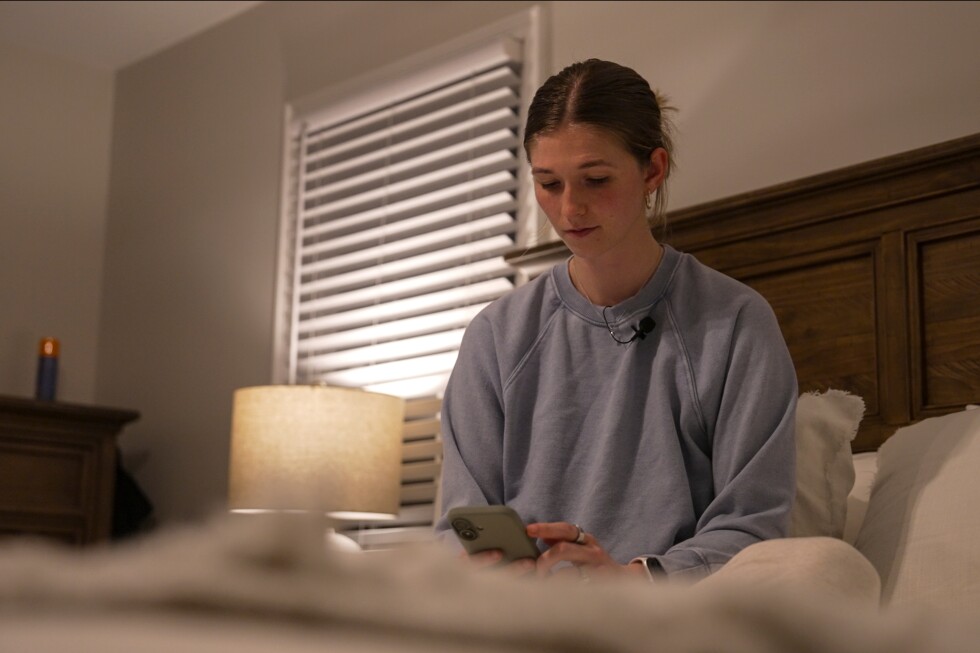
However, the growing popularity of sleep trackers has led to a new condition researchers call “orthosomnia” — anxiety caused by obsession with sleep metrics. Mai Barreneche, who works in advertising in New York City, experienced this firsthand with her Oura Ring.
While the device initially helped her develop better sleep habits, Barreneche eventually found herself preoccupied with her nightly scores. “I remember I would go to bed thinking about the score I was going to get in the morning,” she recalled. The anxiety became counterproductive, leading her to stop using the device altogether, though she maintained the healthy habits it had helped her develop.
Dr. Branson has observed similar anxiety among patients who become fixated on achieving specific metrics or competing with friends who use the same devices. She emphasizes that individual sleep needs vary based on age, genetics, and other factors, making comparisons unhelpful.
“These devices are supposed to help you,” Branson noted. “And if you feel anxious or worried or frustrated about it, then it’s not helpful, and you should really talk to a professional.”
Despite current limitations, researchers like Forger believe wearable sleep technology has untapped potential. Emerging research suggests these devices could eventually detect infections before symptoms appear or identify sleep pattern changes that might signal depression or risk of relapse.
“The body is making these really interesting and really important decisions that we’re not aware of to keep us healthy and active and alert at the right times of day,” Forger explained. He believes sleep tracking technology could be particularly beneficial in underserved communities, where wearables might help identify health issues earlier and monitor them remotely without requiring frequent doctor visits.
“There’s this really important story that’s about to come out: About just how understanding sleep rhythms and sleep architecture is going to generally improve our lives,” Forger concluded.
Fact Checker
Verify the accuracy of this article using The Disinformation Commission analysis and real-time sources.

7 Comments
Sleep is such a complex and important aspect of overall health. While consumer sleep trackers can provide interesting personal data, it’s good to see experts emphasizing the need for users to understand their limitations compared to professional sleep studies.
This highlights an important point – sleep tracking can be a useful personal tool, but the data shouldn’t be over-interpreted without context. It’s good that experts are encouraging consumers to understand the nuances and not rely on these devices as a replacement for medical advice.
Absolutely, using these devices as a complement to professional medical advice is key. They can provide helpful insights, but shouldn’t be the sole basis for important health decisions.
Interesting to see the limitations of consumer sleep-tracking devices. While they may provide a general sense of sleep patterns, the data doesn’t seem as precise as professional sleep studies. Helpful for personal tracking, but users should understand the technology’s capabilities and limitations.
This is an important reminder that consumer technology, while useful, shouldn’t be blindly trusted as a replacement for medical expertise. Educating users on the nuances of sleep tracking data is crucial as the market continues to expand.
The projected growth of the sleep-tracking market is quite remarkable. As these devices become more ubiquitous, it’s critical that consumers are educated on their limitations to avoid drawing conclusions that aren’t fully supported by the data.
Well said. Transparency around the capabilities and limitations of these technologies is essential as they become more mainstream. Responsible use and managing expectations is key.