


Listen to the article
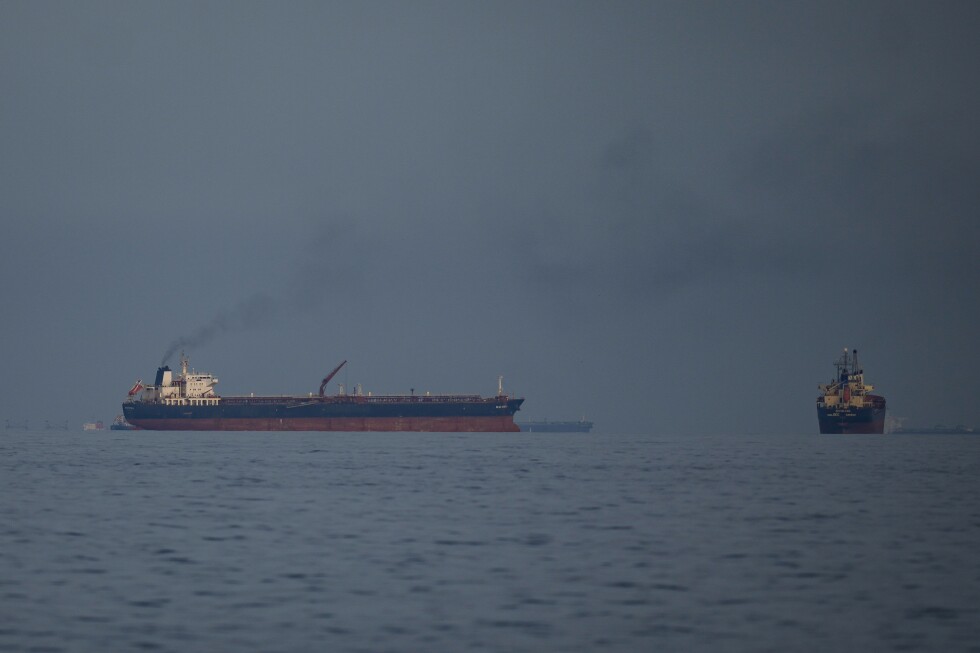
Commercial vessels traversing the volatile waters of the Strait of Hormuz and Persian Gulf have begun identifying themselves as “China-linked” in an apparent effort to avoid being targeted in attacks amid rising regional tensions, according to marine traffic data analyzed by The Associated Press.
At least eight vessels in or near these strategic waterways have modified their destination signals to display messages such as “CHINA OWNER” or “CHINA OWNER&CREW” on ship tracking platforms. This unusual practice represents a strategic calculation by vessel operators navigating one of the world’s most critical maritime chokepoints during a period of heightened risk.
“The main goal of vessels publicly identifying themselves as ‘Chinese’ while transiting the Gulf or the Strait of Hormuz is primarily to reduce the risk of being attacked rather than to facilitate passage through the strait itself,” explained Ana Subasic, a trade risk analyst at data and analytics firm Kpler, which owns the MarineTraffic platform where these signals were observed.
The Strait of Hormuz, connecting the Persian Gulf to the Gulf of Oman and the Arabian Sea, is a vital artery for global energy supplies. Approximately 20% of the world’s oil passes through this narrow waterway, making any disruption a significant threat to global markets and supply chains.
Iran and its allied groups have generally avoided targeting Chinese-linked vessels, according to analysts. This selective approach reflects China’s carefully cultivated neutrality in the region and its substantial economic relationship with Iran, which has deepened as Western sanctions have isolated Tehran from many international markets.
“The message is more like ‘do not mistake me for the kind of ship you said you would hit,'” said Kun Cao, client director at consulting firm Reddal, describing the strategy behind these signals.
The concern among shipping operators has intensified as attacks on commercial vessels have increased. At least 19 commercial ships in the region had been damaged as of Thursday, creating substantial risk for maritime transportation companies and driving up insurance premiums for vessels operating in these waters.
Most of the eight vessels identified in the analysis were not actually flying Chinese flags. Instead, they were registered under flags of convenience such as Panama and the Marshall Islands, a common practice in international shipping that allows operators to take advantage of more favorable regulations and tax structures.
Cao noted that in commercial shipping, a vessel’s flag “has little to do with the ship owner’s nationality,” highlighting the complex ownership structures that characterize the global maritime industry.
Rico Luman, a senior economist specializing in transport and logistics at Dutch bank ING, pointed out that while many bulk carriers have legitimate connections to China through ownership, operation, or cargo, the effectiveness of these self-declarations in preventing attacks remains uncertain.
The practice of broadcasting these messages works through destination signals, which are short notes manually entered by a ship’s crew into the vessel’s transponder system. These GPS locators broadcast the information publicly, typically to share intended port destinations for navigation safety, traffic management, and port planning purposes.
Since these destination signals aren’t verified in real-time, “some vessels occasionally use it to display additional information or signals, such as references to ownership or nationality,” Subasic explained.
This isn’t the first time such a tactic has been employed in regional waters. Similar strategies emerged earlier during Houthi attacks in the Red Sea, where vessels declared Chinese connections in hopes of avoiding targeting by the Iranian-backed group.
As tensions persist in the region, shipping companies continue to adapt their strategies to navigate these dangerous waters, balancing operational needs against security concerns in one of the world’s most strategically important maritime corridors.
Fact Checker
Verify the accuracy of this article using The Disinformation Commission analysis and real-time sources.

16 Comments
The Strait of Hormuz is a geopolitical flashpoint, and it’s alarming to see commercial ships having to resort to these tactics to avoid attacks. This highlights the urgent need for de-escalation and diplomatic solutions to ensure safe passage for global trade.
This is a concerning development that highlights the precarious situation in the Strait of Hormuz. Commercial vessels having to identify as China-linked to avoid attacks is a worrying sign of the escalating risks in the region. Protecting global trade and energy flows through this critical waterway must be a top priority.
The fact that commercial ships are having to take these measures to avoid attacks in the Strait of Hormuz is deeply concerning. This highlights the urgent need for de-escalation and diplomatic solutions to ensure the security and stability of this critical global chokepoint.
This is a concerning development that underscores the serious risks facing commercial vessels in the Strait of Hormuz. Identifying as China-linked is a creative but worrying strategy to deter attacks. The stability of this critical waterway is vital for the global economy.
I hope the situation can be resolved through diplomatic channels to ensure the safe and uninterrupted flow of energy and other goods through the Strait of Hormuz. Protecting commercial shipping must be a priority.
It’s unsettling to see commercial ships having to resort to these tactics to navigate the Strait of Hormuz. Identifying as China-linked to deter attacks is a creative but troubling strategy that underscores the serious instability in the region. Maintaining the security and stability of this vital maritime chokepoint is crucial for the global economy.
Identifying as China-linked to deter attacks in the Strait of Hormuz is a creative but troubling strategy for commercial vessels. This underscores the serious risks and instability in the region, which could have significant implications for global energy supplies and trade.
I hope the relevant parties can find diplomatic solutions to ease the tensions and ensure the safe passage of commercial ships through this vital maritime chokepoint. The global economy depends on the uninterrupted flow of goods and energy.
It’s concerning to see commercial ships having to resort to such measures to avoid attacks in the Strait of Hormuz. This highlights the serious risks and instability in the region that could disrupt global energy supplies.
I hope diplomatic efforts can ease the tensions and make the waterway safer for all commercial traffic. Maintaining the free flow of energy is crucial for the global economy.
Interesting tactic for commercial vessels to identify as China-linked to avoid attacks in the volatile Strait of Hormuz. Seems like a strategic move to mitigate risk during heightened regional tensions.
I wonder if this will become a more common practice as geopolitical risks escalate in the region. It’s a clever way for operators to try to protect their ships and crews.
This is a creative but worrying development. Vessels identifying as China-linked to deter attacks is a sign of the escalating tensions and risks in the Strait of Hormuz. Protecting commercial shipping is vital for the global economy.
I wonder if this strategy will be effective long-term or if new threats will emerge. The stability of this critical maritime chokepoint is crucial, and I hope diplomatic solutions can be found.
The Strait of Hormuz is a critical global energy chokepoint, so it’s not surprising to see shipping companies taking measures to ensure safe passage. Identifying as China-linked is a creative approach to deterring potential attacks.
I’m curious to see if this tactic is effective in the long run or if other strategies will emerge as the situation evolves. Protecting commercial vessels is paramount in these volatile waters.