


Listen to the article
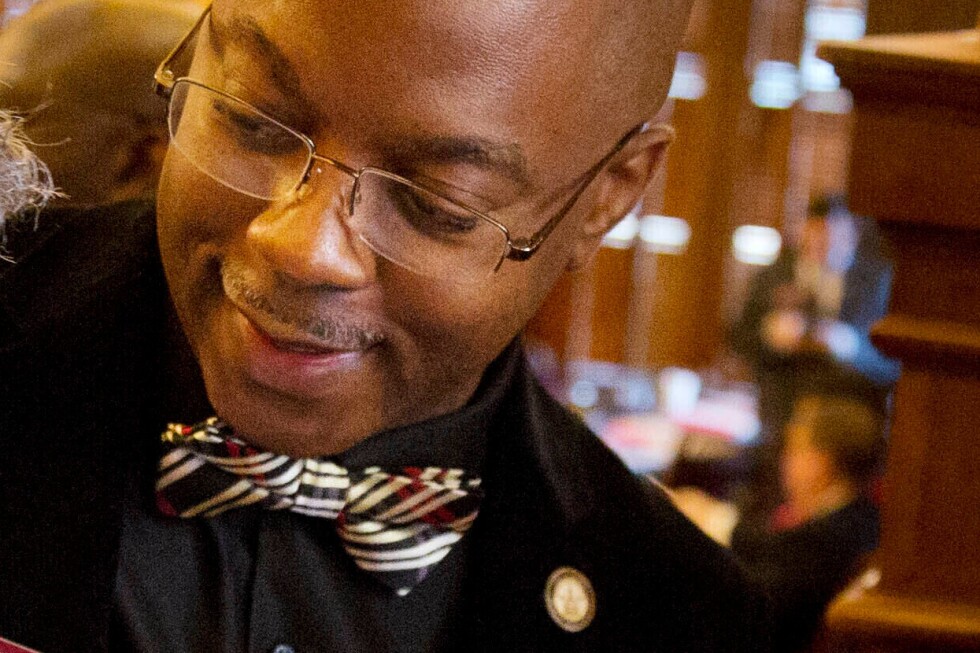
A third Georgia lawmaker has been implicated in a growing scandal involving the fraudulent collection of pandemic unemployment benefits, as federal prosecutors announced charges against State Representative Dexter Sharper on Friday.
Sharper, a Democrat representing Valdosta in South Georgia, allegedly made false statements to obtain $13,825 in federal unemployment benefits during the COVID-19 pandemic. According to prosecutors, he claimed in his application that he was employed only by his party rental business but hadn’t worked there since March 13, 2020.
The investigation revealed that Sharper submitted 38 weekly certifications stating he was not earning money and was actively seeking employment. However, prosecutors contend that during this period, he was actually earning income from multiple sources, including $325 weekly as a state representative and up to $275 weekly as a musician. Additionally, his party rental business was reportedly generating approximately $2,231 per week.
U.S. Attorney Theodore Hertzberg condemned the alleged actions in a strongly worded statement. “While many of his constituents and fellow citizens were losing jobs and desperately needed unemployment assistance during the pandemic, Representative Sharper allegedly pretended to be out of work to collect a share of unemployment benefits for himself,” Hertzberg said. “When government officials lie to take money, and do it while holding an elected office, it violates the trust of citizens and weakens faith in our elected government.”
When contacted for comment, Sharper declined to discuss the allegations, citing ongoing litigation. He did not indicate whether he plans to resign from his position in the Georgia House of Representatives.
The charges against Sharper mark the third case in a widening investigation into Georgia lawmakers allegedly defrauding pandemic relief programs. Hertzberg had previously warned of this developing pattern in December, suggesting the probe might ensnare additional public officials.
In December, Democratic Representative Sharon Henderson of Covington was indicted on two counts of theft of government funds and ten counts of making false statements. She is accused of illegally collecting $17,811 in unemployment benefits. Following her indictment, Henderson was released on bail and subsequently suspended from the legislature by the governor.
A month later, in January, federal prosecutors filed charges against Democratic Representative Karen Bennett of Stone Mountain. She faces one count of making false statements to collect $13,940 in benefits.
The special unemployment benefits at the center of these cases were part of expanded federal assistance programs implemented during the COVID-19 pandemic. The federal government utilized state unemployment systems to distribute aid to individuals who lost their jobs due to the public health crisis. Like traditional unemployment benefits, recipients were required to certify weekly that they remained unemployed to continue receiving payments.
The allegations against these lawmakers come at a time when public trust in government institutions is already strained. The pandemic unemployment programs were designed to provide critical financial support to millions of Americans facing unprecedented economic hardship. While the programs distributed hundreds of billions in aid to legitimate recipients, they also became targets for widespread fraud across the country.
Law enforcement agencies at both federal and state levels have been working to identify and prosecute individuals who exploited these emergency programs. The cases against Georgia legislators represent particularly high-profile examples of alleged fraud involving elected officials who were simultaneously receiving taxpayer-funded salaries while claiming unemployment benefits.
As these cases proceed through the legal system, they may further impact public perception of government officials and the oversight of emergency relief programs.
Fact Checker
Verify the accuracy of this article using The Disinformation Commission analysis and real-time sources.

11 Comments
The pandemic has been a challenging time for many, but that does not excuse fraudulent behavior, especially by those in positions of public trust. Misrepresenting employment status to wrongfully obtain unemployment benefits is deeply concerning. Robust oversight and consequences are essential to protect the integrity of relief efforts.
Fraud involving pandemic relief funds is disappointing, especially by elected officials who should be setting a good example. Misrepresenting employment status to wrongfully obtain unemployment benefits is unethical and hurts the system’s integrity. Transparency and accountability are crucial, even in difficult times.
Agreed. Public trust is eroded when those in positions of leadership abuse relief programs. Stricter oversight and harsher penalties for fraud are likely needed to deter such behavior going forward.
This is a concerning development that highlights the need for improved safeguards and accountability measures around pandemic relief funds. Elected officials engaging in fraud undermine public trust and divert critical resources. Stronger enforcement and penalties are warranted to deter such unethical actions.
You make a valid point. Ensuring the proper use of public funds, especially in times of crisis, should be a top priority. Robust oversight and swift consequences for abuse are necessary to maintain the integrity of these vital programs.
While the pandemic has been a difficult time for many, fraudulently obtaining government assistance is unacceptable, especially for those in positions of public trust. Stronger controls and enforcement are clearly needed to prevent such abuses and maintain the integrity of relief efforts.
While the pandemic created economic hardship for many, that does not justify fraudulently obtaining government assistance. Lawmakers should be setting an ethical example, not exploiting the system. Rigorous oversight and consequences for such actions are essential to maintain program effectiveness.
This is an unfortunate development, as misuse of pandemic aid funds undermines the purpose and undermines public confidence. Elected officials should be held to the highest standards of integrity. Hopefully this case serves as a deterrent and leads to improved safeguards.
You make a fair point. Responsible stewardship of public resources is critical, especially during times of crisis. Swift and consistent enforcement is crucial to prevent further abuse.
This type of fraud is quite concerning, as it undermines public trust and diverts resources away from those truly in need. Elected officials abusing pandemic relief programs is a troubling breach of the public’s trust. Stronger safeguards and enforcement are clearly needed.
I agree, this situation is disappointing and erodes confidence in government. Stricter controls and harsher penalties should be implemented to deter such unethical behavior, especially from public servants.